




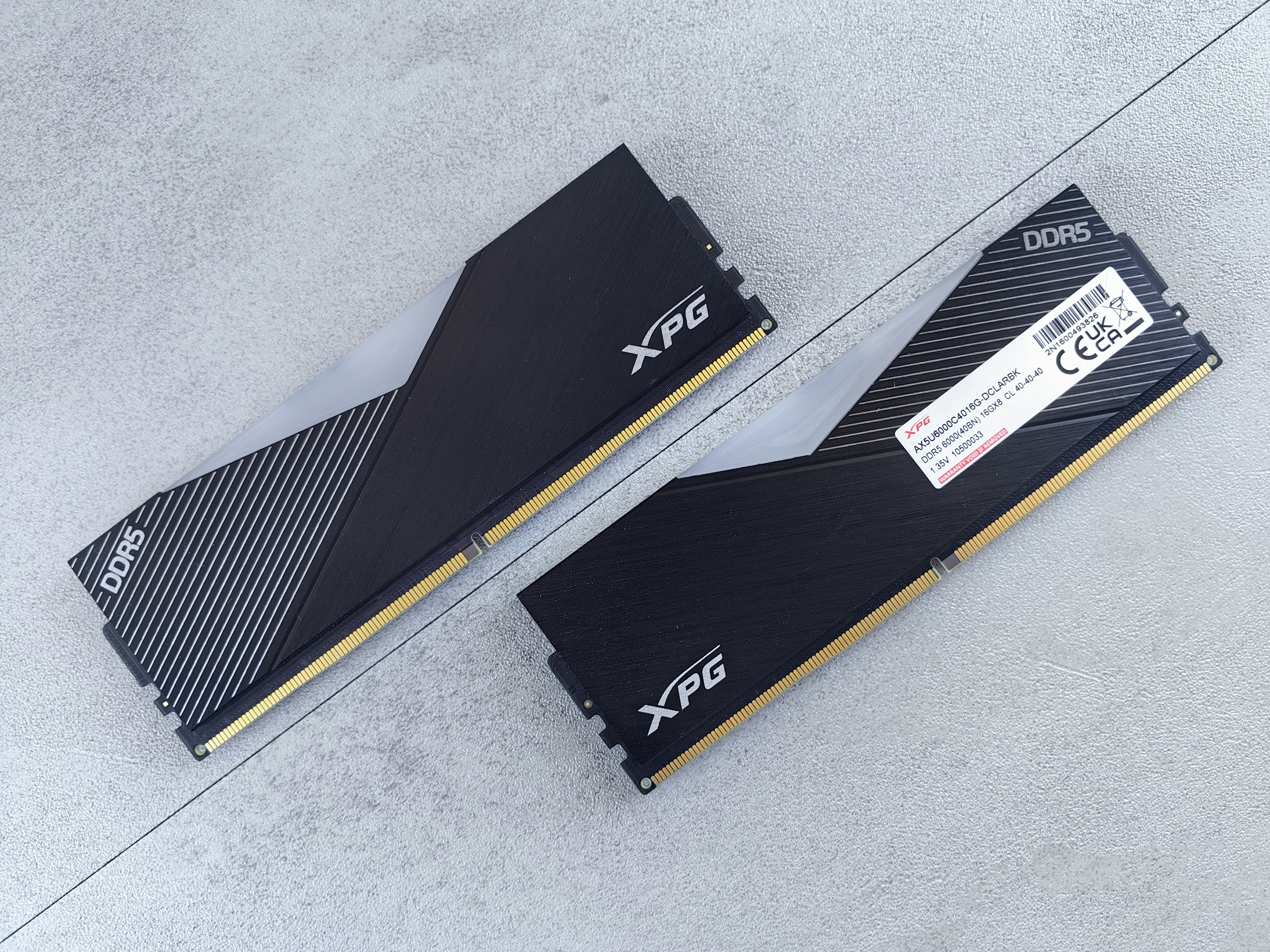
Recently, there has been an increase in the price for DDR5 RAM memory for PCs, and many are wondering why these prices are increasing at this given time. There is no straightforward reason for this issue but several elements.

1. Reduction in DDR4 Production
The major players like Samsung, SK Hynix, and Micron are cutting down their DDR4 manufacturing capacity to produce only DDR5. This creates a situation where there are lower initial supplies of DDR5, pulling prices up.

2. Increased Demand from New Platforms
In fact, the current generations of Intel and AMD processors support DDR5 memory almost exclusively. With every passing CPU, motherboard, and laptop, the demand for DDR5 memory rises, particularly for gaming and business use.

3. Rise of Artificial Intelligence and Data Centers
AI doesn’t only impact GPUs. The servers, data centers, and AI hardware consume a tremendous amount of DDR5 RAM. These contracts get priority because the companies find them very lucrative compared to the consumer market. This leaves the devices in short supply.
4. Higher Manufacturing Costs
DDR5 isn’t just “faster”:
It uses an integrated PMIC (Power Management Integrated Circuit)
It has more complex chips
It requires more advanced manufacturing processes
All of this makes producing DDR5 more expensive than DDR4, even at scale.
5. Strategic Price Adjustments
Years of losses resulting from overinventory have led to current deliberate supply control by manufacturers in order to ensure that prices remain stable and do not drop again. The effect of the change: fewer discounts, more stable prices… but higher prices.
Conclusion
The jump in the price of the new DDR5 RAMs is not a short-term or random phenomenon. It seems very likely that the new norm will be based on the DDR5 type of RAM, with speeds unlikely to decrease in the short term.