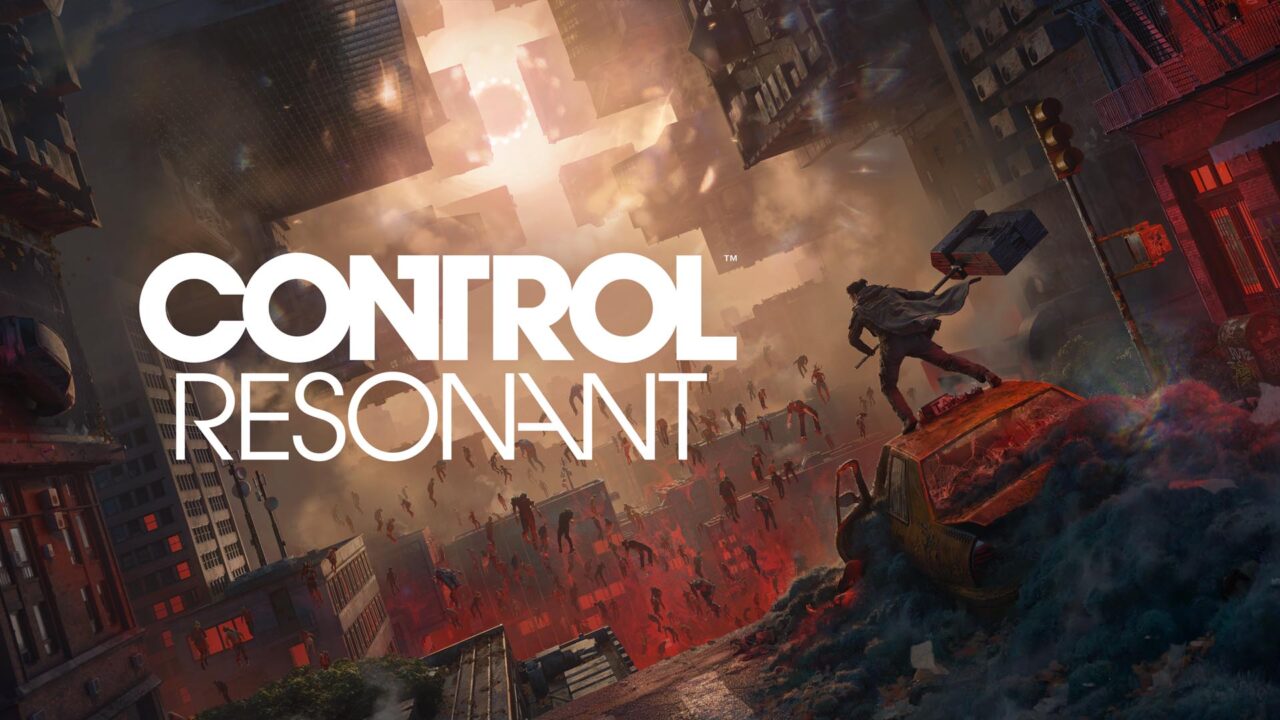
Remedy’s Control Resonant asks players to fight through a corrupted, physics-defying version of Manhattan, but some of the game’s richest moments have nothing to do with combat at all. They’re buried in the reports, memos, and enemy logs scattered throughout the Federal Bureau of Control’s headquarters. Skipping them is easy to do, but players who take the time to read find that the documents are doing a lot of quiet narrative work.
Optional reading that isn’t really optional
Like its 2019 predecessor, Control Resonant is built around the idea that a secretive government agency dealing with impossible, otherworldly phenomena still runs on paperwork. That means players are constantly finding heavily redacted files, internal memos, and miscellaneous notes tucked into the environment. None of it is required to finish the game, and it’s easy to treat it as background flavor to skim past while focused on navigating the world’s Escher-like architecture or fighting off Hiss and mold enemies.

But a lot of that reading turns out to be genuinely useful. Enemy logs, compiled by an in-game Threat Assessment Team and unlocked automatically after encountering each enemy type, break down attack patterns and weaknesses that aren’t always obvious in the middle of a fight. For players struggling with the game’s combat balance, these logs function as a built-in strategy guide hidden in plain sight.
Combat tips wrapped in character writing
What makes the enemy logs stand out is that they’re written by two distinct in-universe characters with very different voices: one methodical and dry, the other sharper and more sarcastic. Reading through dozens of these entries doesn’t just teach players how enemies behave; it slowly reveals the personalities and evolving relationship between the two people writing them. A workplace dynamic unfolds entirely through clinical-sounding field notes, asides, and callbacks that only make sense if you’re reading every entry in order.
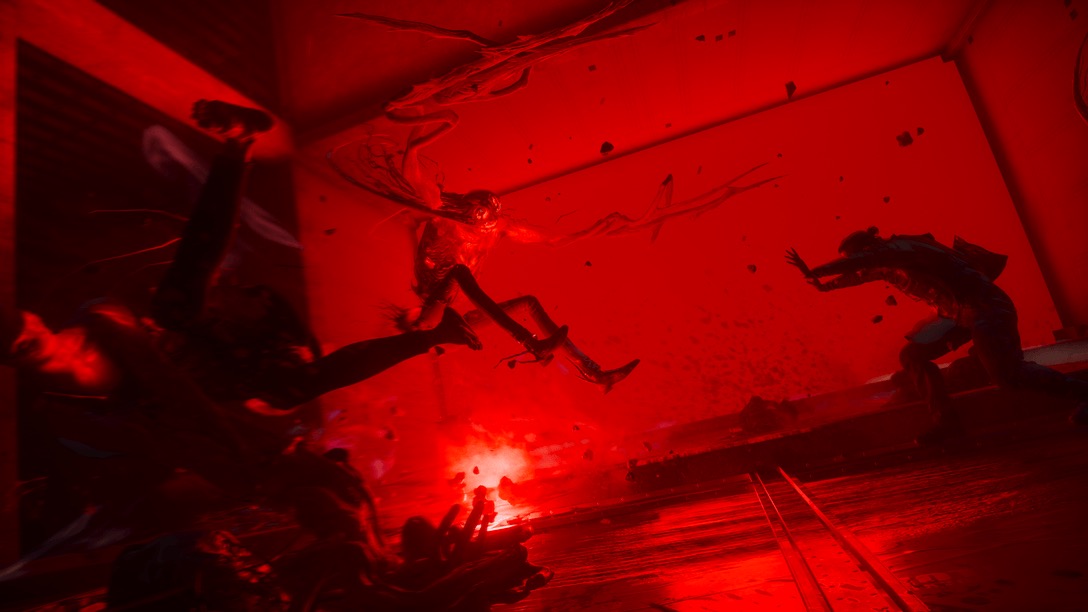
This is a clever bit of environmental storytelling. Remedy is known for embedding narrative in unconventional formats, and here it uses the least glamorous part of an FBC agent’s job, filing threat assessments, as the vehicle for a subplot that plays out entirely between the lines of official reports.
More than just one romance subplot
The enemy logs are just one thread. Control Resonant‘s broader library of documents covers everything from an in-world social media influencer’s take on the city’s stranger streets to internal notes hinting at ethics violations within the FBC itself. Collectively, these documents flesh out the bureaucratic absurdity that has always been part of the Control series’ appeal: an agency dealing with reality-bending threats still has HR problems, office rivalries, and paperwork nobody wants to file.
Who should bother reading it all
Players who are purely focused on combat and pushing through the main story can finish Control Resonant without reading a single document beyond what’s required. But anyone who enjoyed the world-building and tone of the first Control, or who appreciates games that reward curiosity, will find that the documents add texture the core story doesn’t otherwise provide. They’re also a low-effort way to get better at fights, since the enemy logs double as practical strategy notes.
The bottom line
You don’t need to read anything in Control Resonant to beat it, but doing so uncovers some of the game’s best writing and turns dry combat notes into a fully realized subplot. If you’re playing through Remedy’s sequel and have been skipping the paperwork, it’s worth slowing down. The FBC’s files hide more than just weakness charts, they hide some of the game’s most memorable characters.
Source: The Verge
Where to buy
- Control Resonant (PS5): check price on Amazon
- Control Resonant (Xbox Series X): check price on Amazon
- DualSense Wireless Controller: check price on Amazon
As an Amazon Associate I earn from qualifying purchases.