The iPhone 17 Pro and iPhone 18 Pro sit one generation apart, but Apple didn’t touch the core design or display between them. The iPhone 17 Pro launched in September 2025, and the iPhone 18 Pro replaced it as Apple’s current Pro model in September 2026. On paper the upgrade looks modest — same size, same screen, same materials — but independent lab testing shows real gains in chip speed, camera scores, and battery life. Here’s what’s confirmed, what’s tested, and what’s just noise.
Design and display
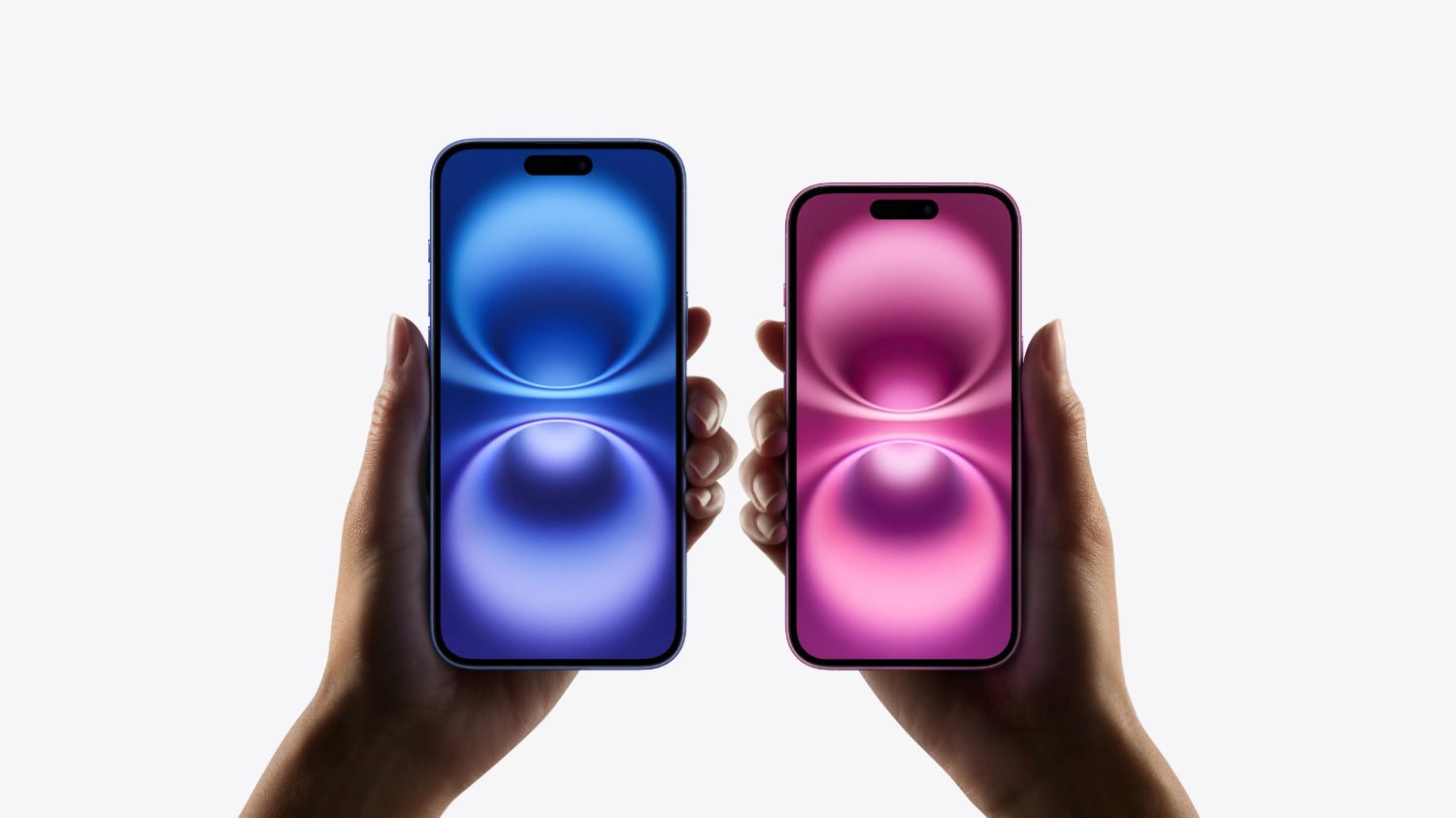
Officially, the two phones share the same 6.3-inch Super Retina XDR display with ProMotion, an Always-On mode, and the same Dynamic Island technology. Apple’s own compare page lists identical brightness figures for both — 1,000 nits typical, 1,600 nits for HDR, and 3,000 nits peak outdoor brightness. In lab testing, GSMArena measured the iPhone 18 Pro’s minimum brightness at just 1 nit, useful in dark rooms, while LTT Labs found the iPhone 18 Pro topped out around 800 nits in regular use and 1,500 to 1,600 nits for HDR — essentially matching the iPhone 17 Pro, and even measuring 50 to 80 nits short of the 17 Pro’s peak outdoor brightness in their unit.
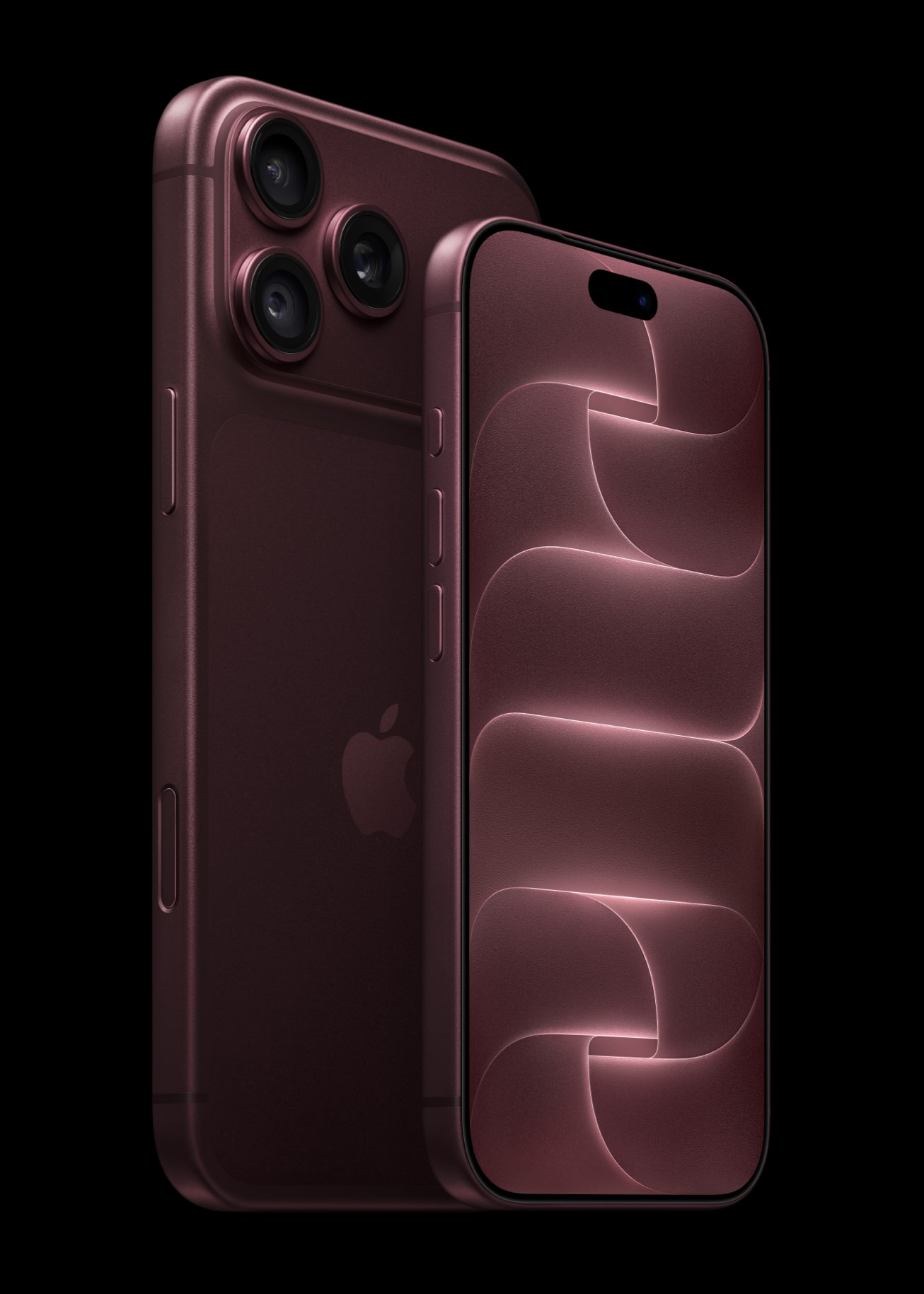
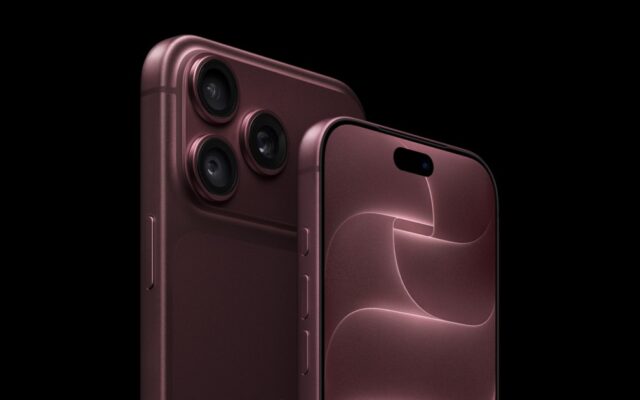
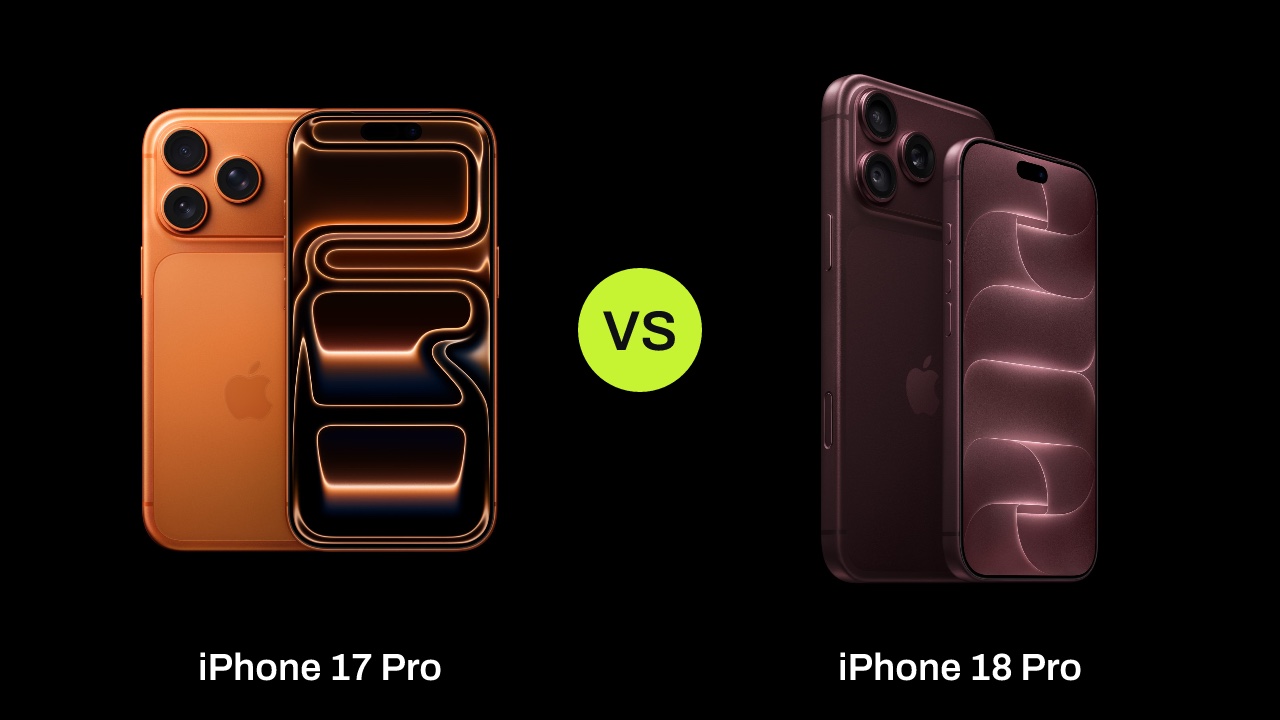
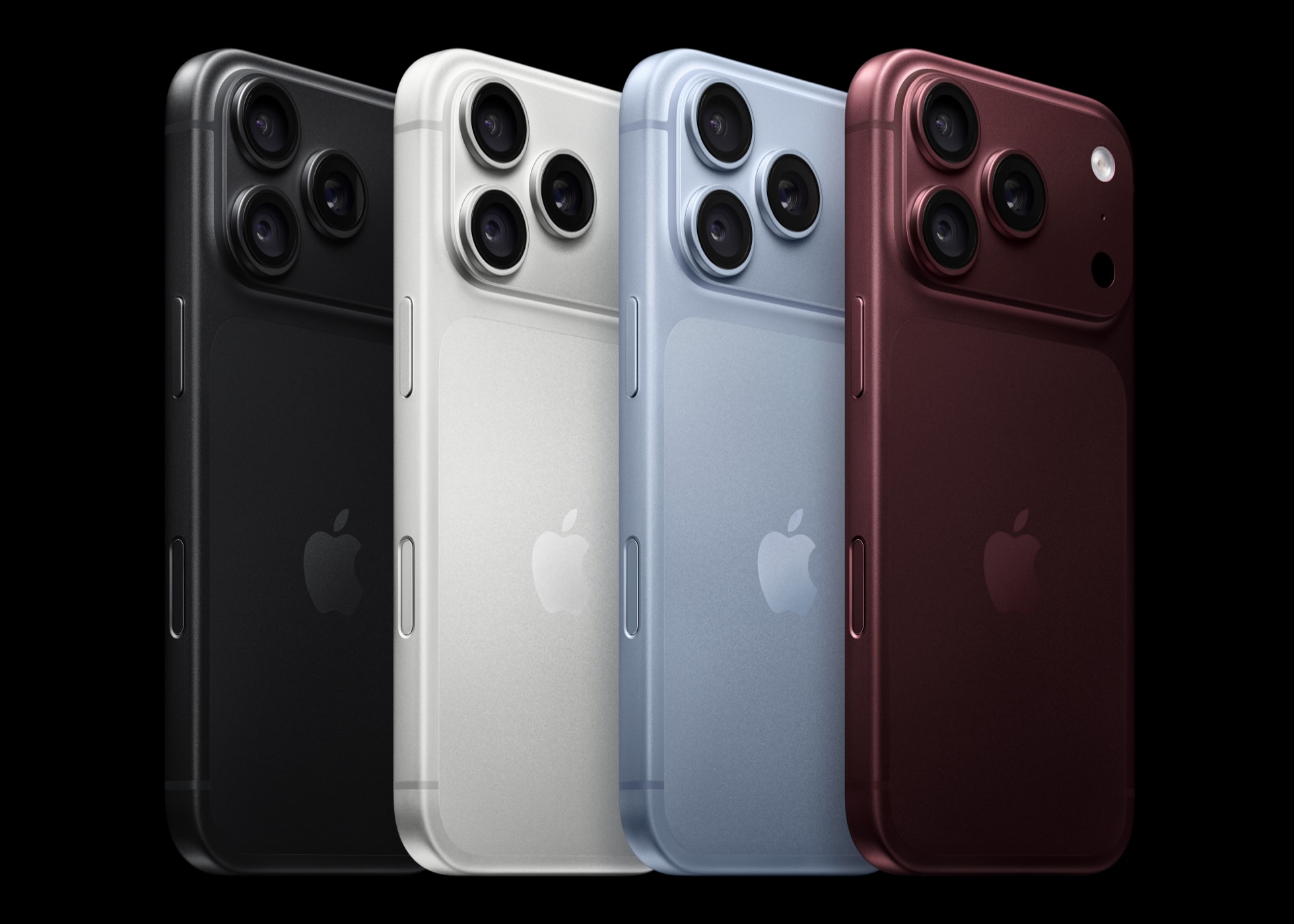
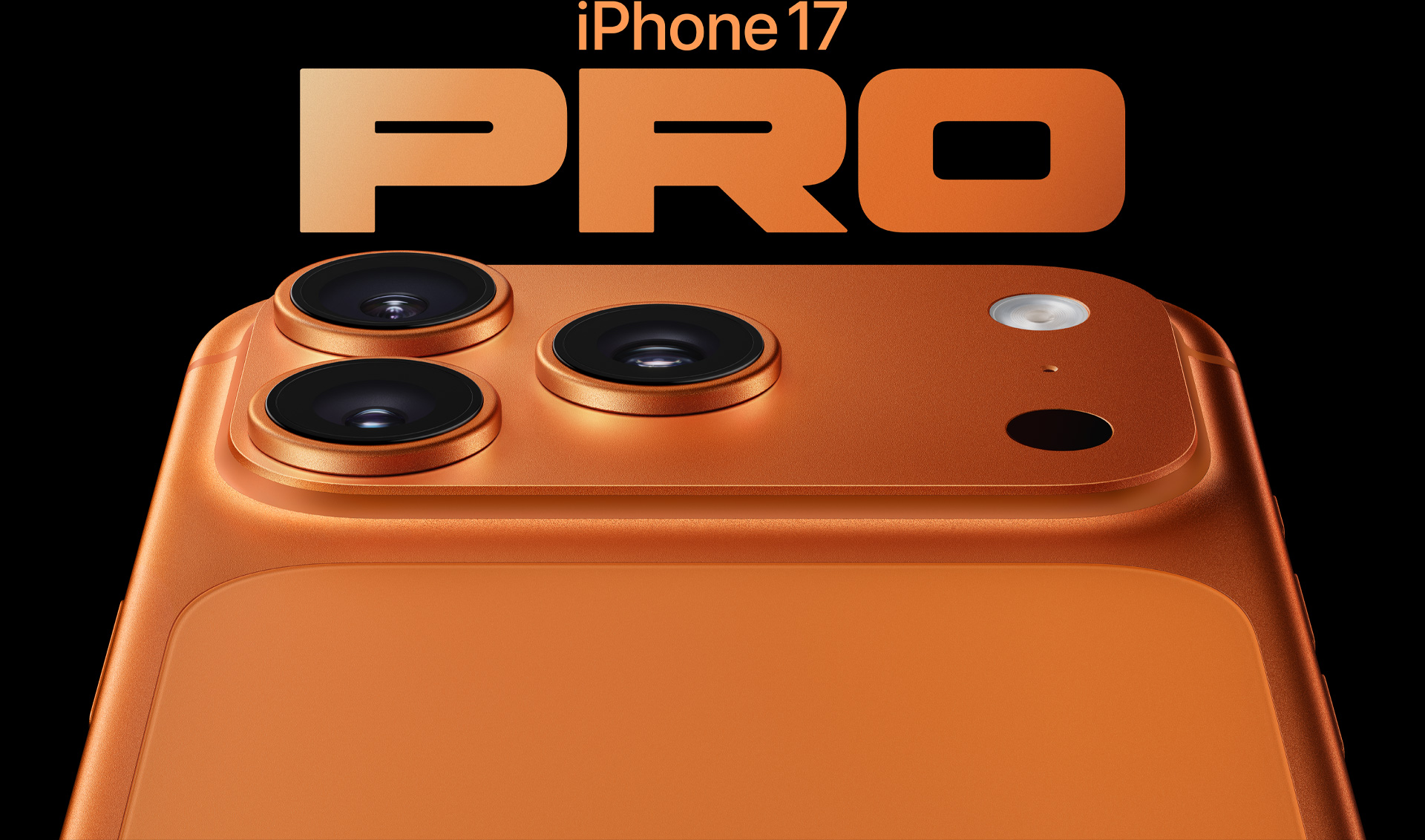
Physically, both phones use an aluminum unibody with Ceramic Shield 2 on the front and Ceramic Shield on the back, and both carry an IP68 water-resistance rating good for 6 meters of depth for up to 30 minutes. The dimensions are nearly identical: 150.0 by 71.9 by 8.75mm for the 17 Pro versus 150.0 by 71.9 by 8.8mm for the 18 Pro. The 18 Pro is slightly heavier at 211g versus 206g. The most visible change is a smaller Dynamic Island, made possible by moving the infrared camera under the display, plus a new color lineup — Black, Silver, Burgundy and Glacier on the 18 Pro versus Cosmic Orange, Deep Blue and Silver on the 17 Pro.
Performance
The chip is where the generational gap actually shows up. Apple’s A19 Pro (3nm) gives way to the A20 Pro (2nm), which Apple says is up to 20% faster in CPU tasks and up to 40% faster in GPU tasks thanks to a new 7-core GPU, up from 6 cores. Independent benchmarks back this up closely.
| Test | iPhone 17 Pro | iPhone 18 Pro | Source |
|---|---|---|---|
| Geekbench 7 Single-Core | 3,249 | 4,006 | PC Guide |
| Geekbench 7 Multi-Core | 9,016 | 11,460 | PC Guide |
| Geekbench 6 Single-Core | Not confirmed | 4,735 | Tom’s Guide |
| Geekbench 6 Multi-Core | Not confirmed | 12,800 | Tom’s Guide |
| Geekbench AI (Neural Engine) | 49,050 | 69,245 | Yahoo Tech |
| 3DMark Solar Bay Unlimited | Not confirmed (18 Pro measured 33% faster) | 62 fps | Tom’s Guide |
Across these tests, the A20 Pro lands roughly 21 to 29% ahead of the A19 Pro in single- and multi-core CPU work, and the gains are even larger on the GPU side. GSMArena‘s own combined AnTuTu 11 score put the iPhone 18 Pro about 43% ahead of the 17 Pro, with roughly 27% higher multi-core and 13% higher GPU-heavy scores in its individual tests — all pointing in the same direction as Apple’s official claims, even if the exact percentage varies slightly by test and outlet.
Gaming and thermals
Apple redesigned the internal package on the iPhone 18 Pro so memory sits beside the chip rather than stacked on top of it, and paired that with a vapor chamber Apple says has three times the surface area of the one in the iPhone 17 Pro, built from 80% recycled steel. Apple’s claimed result is a 40% gain in sustained performance.
Independent stress testing supports the idea that the 18 Pro holds its performance better under load: GSMArena recorded 72% stability in its APSI Bench stress test and 48% GPU stability in 3DMark’s Wild Life Extreme Stress Test. Tom’s Guide found gameplay in the game Ungodly stayed fluid even during busy combat scenes, with animation quality it compared favorably to console gaming. That said, no outlet in our research ran the identical stress test on both the iPhone 17 Pro and iPhone 18 Pro side by side, so the size of the thermal improvement between the two specific phones is not directly confirmed — only the 18 Pro’s own numbers and Apple’s comparative claim exist right now.
Cameras
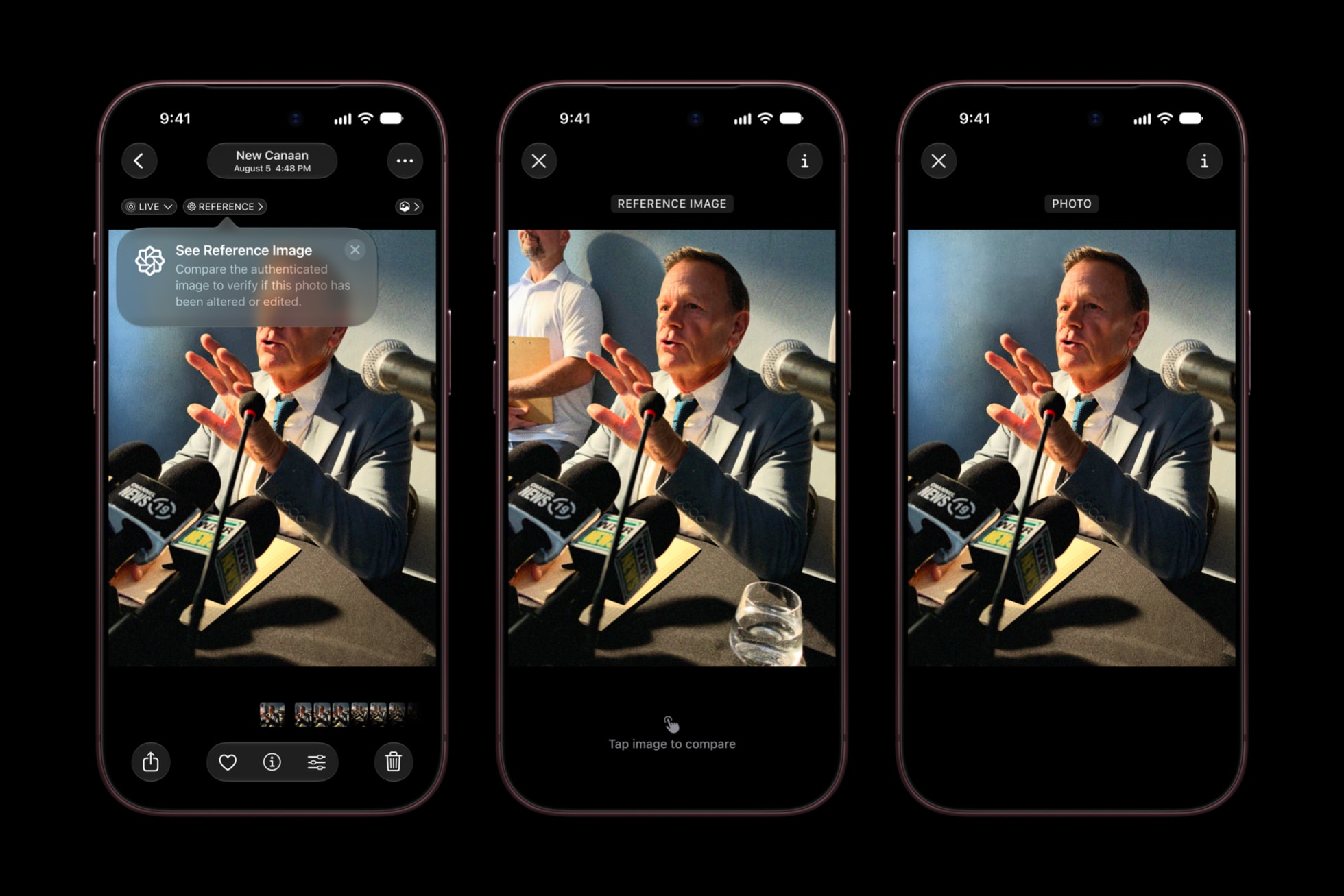
The rear camera hardware looks similar at a glance — three 48MP sensors on both phones — but the iPhone 18 Pro’s main camera gains a variable aperture with four settings (ƒ/1.48, ƒ/1.8, ƒ/2.8, and ƒ/4.0), a feature the 17 Pro’s fixed-aperture main camera doesn’t have. The 18 Pro also adds Pro controls, Photographic Styles 3 (up from 2), cinematic mode effects pulled from video on the main camera, an Apple Reference Image mode, and Apple says improved low-light video.
| DXOMARK score | iPhone 17 Pro | iPhone 18 Pro |
|---|---|---|
| Overall | Not confirmed | 172 |
| Low light | 143 | 150 (DXOMARK’s top score) |
| Portrait | 151 | 157 |
| Zoom | 135 | 138 |
According to Androidheadlines’ reporting on the DXOMARK results, the iPhone 18 Pro placed second overall behind the Huawei Pura 80 Ultra’s 175 points, and its 176 video score, reported by tech-ish, is the highest DXOMARK has given any phone for video. MacObserver’s breakdown of the same DXOMARK data shows the main camera and portrait bokeh improved the most generation over generation, while telephoto barely moved and still trails DXOMARK’s best telephoto scores by a wide margin. DXOMARK also flagged some recurring weaknesses on the 18 Pro, including color tints, unstable white balance, and underexposed faces in strong backlighting.
Hands-on impressions are mixed on how much everyday photos actually improve. PhoneArena found the 18 Pro’s colors slightly more natural than the Galaxy S26 Ultra’s and its low-light shots a touch brighter, crediting the wider aperture for cleaner low-light video. BGR said the variable aperture makes a visible difference at night and that the new Pro controls make the camera app more enjoyable for photographers to use.
Camera samples from Apple
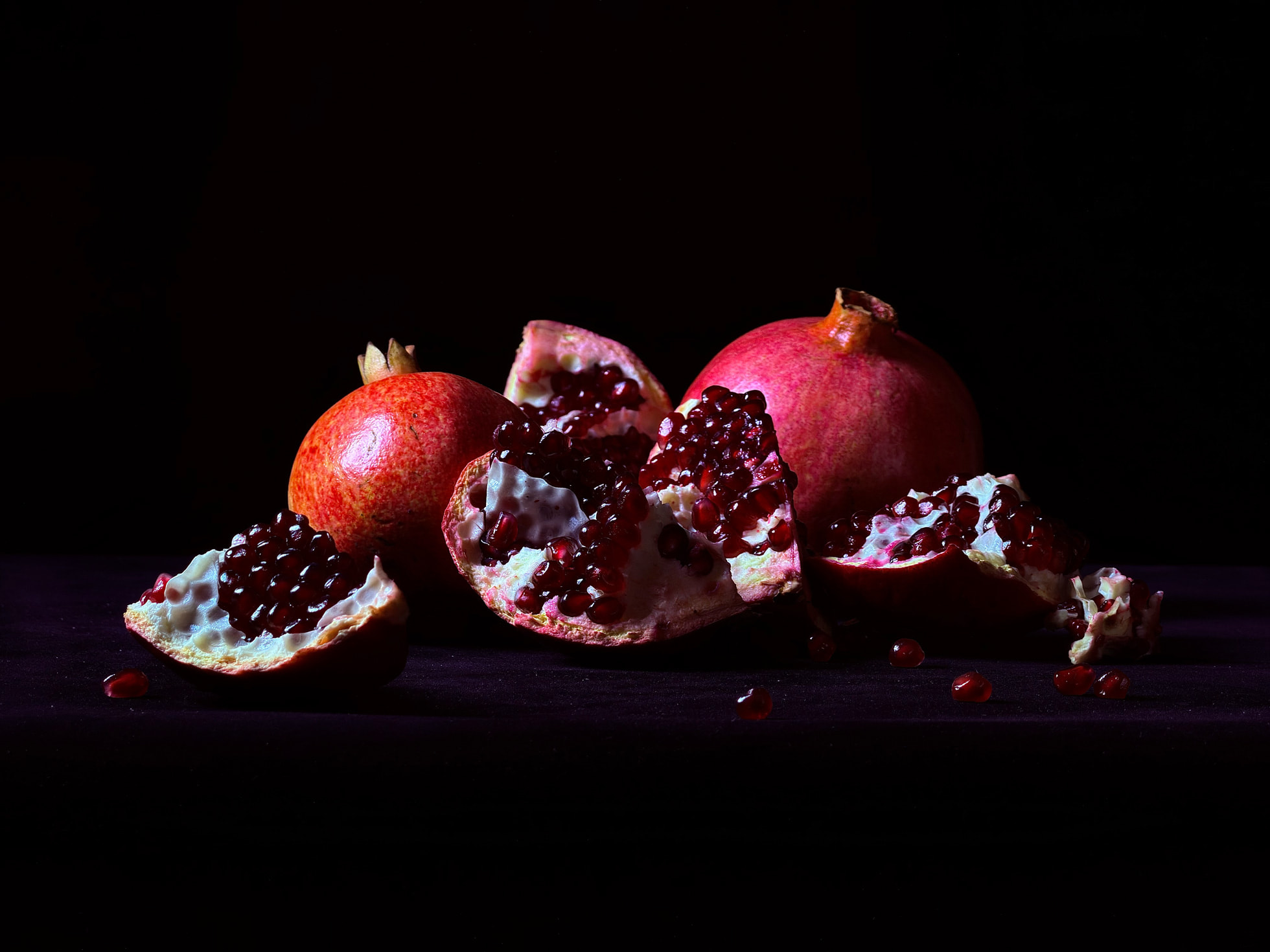
These photos come from Apple’s own launch materials for each phone. Apple picked them to show each camera at its best, so treat them as a best-case look rather than a controlled side-by-side test; the DXOMARK scores above are the fairer comparison.




Battery and charging
Apple’s official battery capacity for the iPhone 17 Pro is 3,998mAh. The iPhone 18 Pro comes in two variants — a 4,288mAh eSIM-only cell and a 4,056mAh cell in the version with a physical SIM slot. Apple’s video playback claim rises from 33 hours on the 17 Pro to 36 hours on the 18 Pro, and fast-charging improves from 50% in 20 minutes to 50% in roughly 15 minutes with a compatible 60W-or-higher adapter. MagSafe wireless charging stays capped at 25W on both phones.
In Tom’s Guide’s own web-browsing battery test at 150 nits, the iPhone 18 Pro ran for 16 hours and 17 minutes, close to an hour longer than its own iPhone 17 Pro result, though it still fell short of the iPhone 17 Pro Max’s 17 hours and 54 minutes from the previous generation. The iPhone 18 Pro Max, meanwhile, hit 18 hours and 27 minutes on the same test — the longest result Tom’s Guide has recorded for any iPhone. GSMArena’s separate endurance testing also found the 18 Pro’s battery life improved across the board, trailing only the Xiaomi 17 among similarly sized competitors while beating the Samsung Galaxy S26 and Google Pixel 11 Pro. Macworld, using Geekbench 4’s more repeatable battery benchmark at a fixed 200 nits, noted that real usable battery life has more than doubled across the last three Pro generations, though it did not publish an exact hour figure for this comparison.
Price
Apple raised prices by $100 at every storage tier for the 2026 generation. The iPhone 17 Pro launched at $1,099 for 256GB, $1,299 for 512GB, and $1,499 for 1TB. The iPhone 18 Pro starts at $1,199 for the same 256GB base, rising to $1,399 for 512GB, $1,799 for 1TB, and a new $2,399 2TB tier. Base storage stayed at 256GB on both models, so buyers aren’t getting extra storage to offset the higher starting price.
Who should upgrade
If you already own an iPhone 17 Pro, the case for jumping to the iPhone 18 Pro comes down almost entirely to three things: the A20 Pro’s real benchmark gains, the new variable-aperture main camera with Pro controls, and a meaningfully better battery result on independent tests. If none of those matter much to your daily use, the upgrade is easy to skip — the display, design, ultrawide camera, and telephoto camera are effectively unchanged, and reviewers have been blunt about it: BGR frames the iPhone 17 Pro as the iPhone 18 Pro’s biggest competitor.
Owners of an iPhone 16 Pro or older will feel a bigger jump either way, since they’d be skipping two generations of chip, camera, and battery improvements at once. Mobile gamers and anyone who leans on the camera’s zoom or low-light performance will get the most tangible benefit from the 18 Pro; anyone mainly using their phone for browsing, messaging, and casual photos likely won’t notice most of these changes day to day.
The bottom line
The iPhone 18 Pro is a genuine, testable step up from the iPhone 17 Pro in chip speed, camera scoring, and battery endurance, backed by consistent numbers from Tom’s Guide, GSMArena, DXOMARK, and others. But it isn’t a redesign — the screen, chassis, and two of the three rear cameras carry over essentially unchanged, and it costs $100 more at every storage tier. Recent iPhone 17 Pro owners have little urgent reason to switch; anyone due for an upgrade from an older iPhone will find the 18 Pro’s gains add up to a worthwhile improvement.
Sources: Apple (compare), Tom’s Guide, GSMArena, DXOMARK, LTT Labs, PC Guide, Yahoo Tech, PhoneArena, BGR
Where to buy
- Apple iPhone 18 Pro: check price on Amazon
- Apple iPhone 17 Pro: check price on Amazon
- Apple MagSafe Charger: check price on Amazon
- Ceramic Shield iPhone screen protector: check price on Amazon
As an Amazon Associate I earn from qualifying purchases.