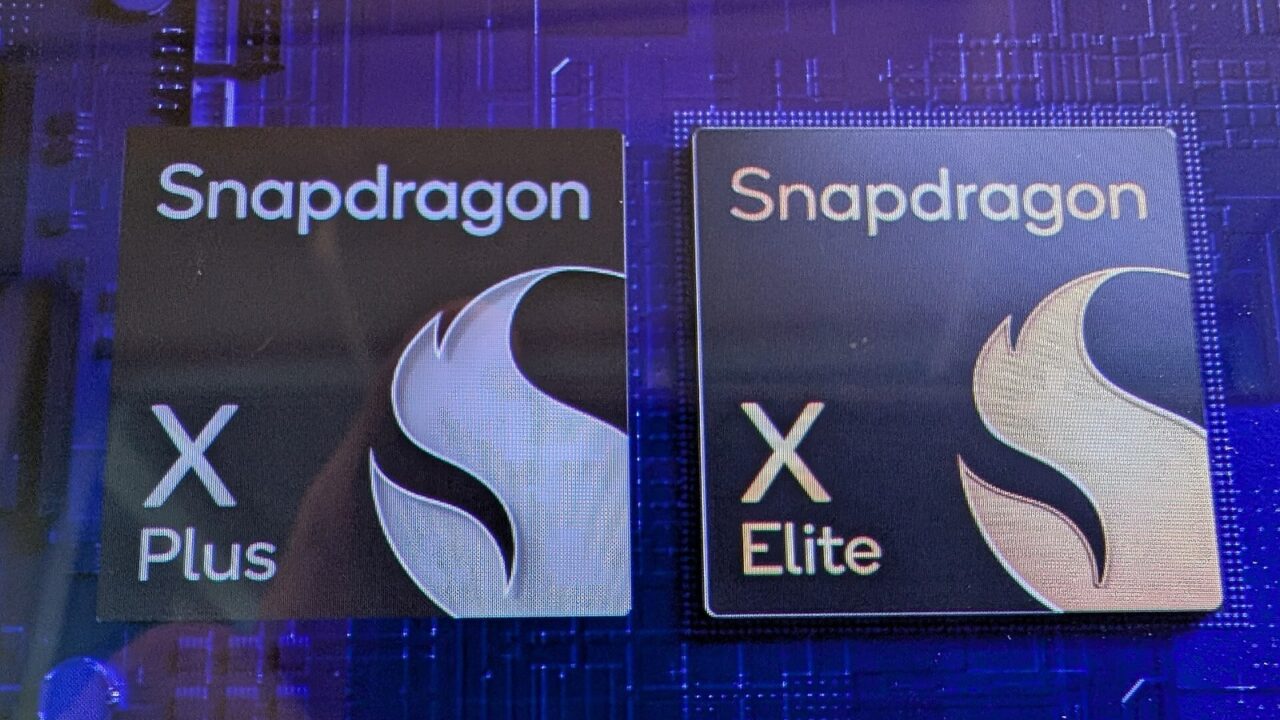
Qualcomm is pushing back hard against reports that its newest flagship mobile chip has a heat problem. After Korean media suggested Samsung was considering skipping the Snapdragon 8 Elite Extreme Gen 6 over thermal concerns, Qualcomm told 9to5Google directly that claims of Snapdragon 8 Elite Extreme Gen 6 overheating are “inaccurate,” and the company’s CMO went a step further on social media to deny any “systemic” issue.
What sparked the rumor
The controversy started with reports out of Korea claiming Samsung was in talks with Qualcomm about thermal issues tied to the Snapdragon 8 Elite Extreme Gen 6, and that Samsung was weighing whether to use its own Exynos 2700 chip instead for the Galaxy S27 series. That would be a notable shift, since Samsung’s Galaxy S series has leaned heavily on Snapdragon silicon in many markets in recent generations, including devices like the Galaxy S26 Ultra.
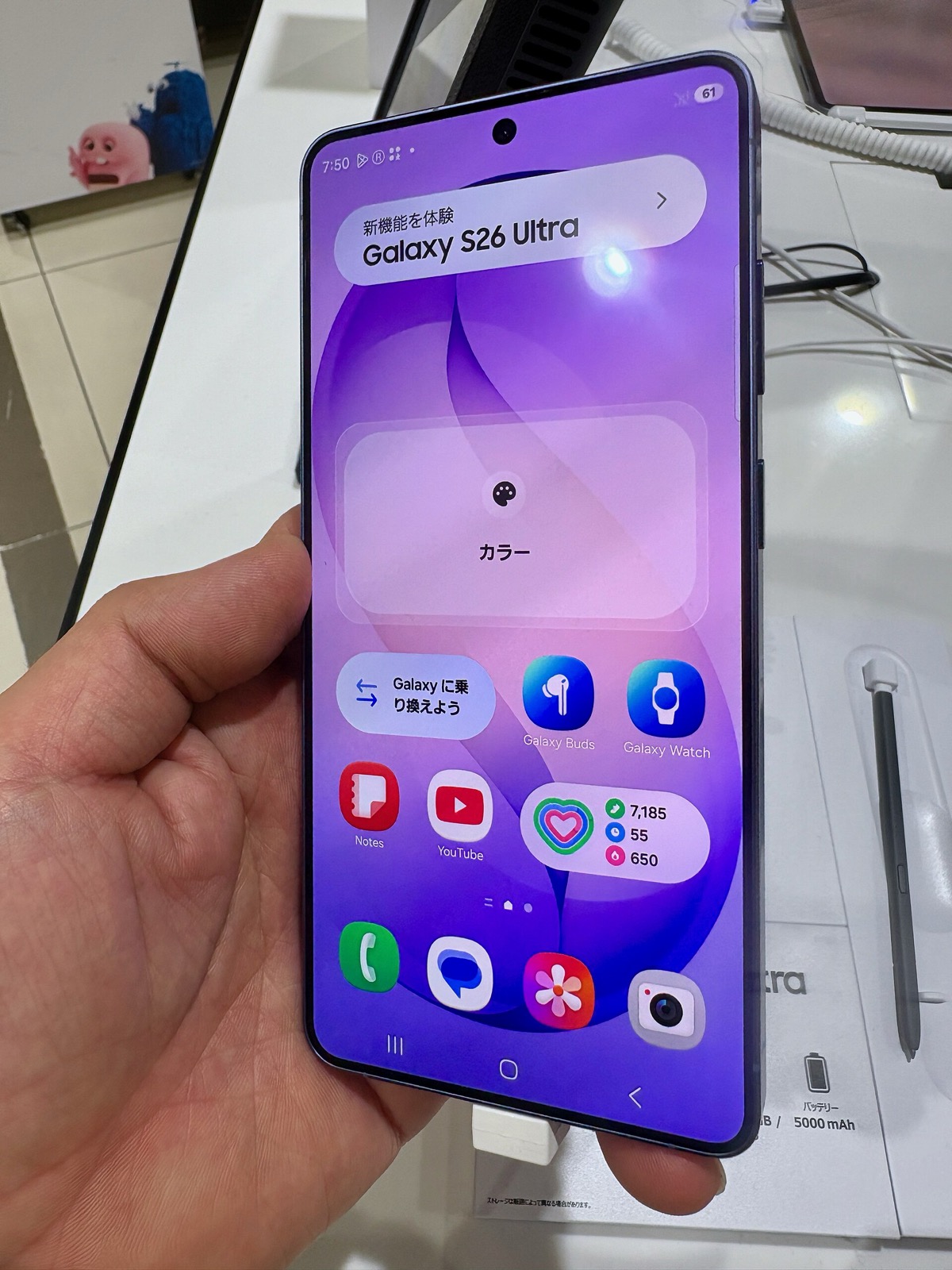
The original report came from Seoul Economic Daily, which said Samsung had “informed Qualcomm of the overheating issue” and wanted it resolved this month; if Qualcomm can’t meet the required performance, Samsung would consider the Exynos 2700 instead. There is history here: the last time Samsung sold an all-Exynos Galaxy S phone in the U.S. was the Galaxy S6, more than a decade ago, and that decision was also blamed on an overheating Snapdragon chip.
Qualcomm’s response
Qualcomm didn’t let the story sit. A company spokesperson told 9to5Google: “Recent reporting about thermal issues related to Snapdragon 8 Elite Extreme Gen 6 is inaccurate. We are proud of the innovation and strong momentum behind our next-generation flagship platform and continue to work closely with global OEMs to deliver premium user experiences.” Qualcomm’s CMO, Don McGuire, backed that up on X, writing that there are “no systemic thermal issues” with the chip, and that OEMs routinely tune their own devices to balance performance and power depending on how each phone is meant to be used.

That distinction matters. Even on a single chip, phone makers can configure clock speeds, sustained performance targets, and cooling hardware very differently. A gaming phone and a slim flagship can post very different thermal results using the exact same silicon, which is the point McGuire appears to be making.
Why this chip is such a big deal
The Snapdragon 8 Elite Extreme Gen 6 is Qualcomm’s top-tier mobile platform, built with two 5GHz cores and described as a significant CPU and GPU upgrade over the already strong Gen 5 flagship chip. Pushing clock speeds that high naturally raises questions about heat and sustained performance, which is likely part of why the overheating claims gained traction so quickly even without independent confirmation.
Several phones have already been confirmed to use the new chip, including the Motorola Signature 27, Xiaomi 18, Redmagic 12 Pro Plus, Honor Magic 9 Pro Max, and OnePlus 16. That’s a wide spread of device types, from gaming-focused phones to mainstream flagships, which gives Qualcomm plenty of real-world data points to point to if it wants to prove the chip runs fine across different designs.
What it means for Samsung and buyers
Whether Samsung ultimately uses the Snapdragon 8 Elite Extreme Gen 6 or leans on its in-house Exynos 2700 for its next flagship is still unresolved, and nothing here confirms which chip will end up in Samsung’s next major release, including the Galaxy S27 Pro and Ultra. For everyday buyers, the practical takeaway is that chip drama at this stage rarely tells you much about how a finished phone will actually perform. Final thermal behavior depends heavily on the vapor chambers, software tuning, and power limits each manufacturer builds around the chip, not just the silicon itself.
The bottom line
Qualcomm has flatly denied that the Snapdragon 8 Elite Extreme Gen 6 has a built-in overheating problem, and its CMO has gone on record saying there’s nothing systemic going on. Reports about Samsung weighing Exynos as an alternative remain unconfirmed as far as any final decision goes. Shoppers eyeing phones built around this chip should wait for independent reviews and real-world thermal testing once devices actually ship, rather than drawing conclusions from early, disputed rumors.
Sources: 9to5Google, 9to5Google (Galaxy S27 report)
Where to buy
- OnePlus 16: check price on Amazon
- Xiaomi 18: check price on Amazon
- Phone cooling fan clip: check price on Amazon
As an Amazon Associate I earn from qualifying purchases.