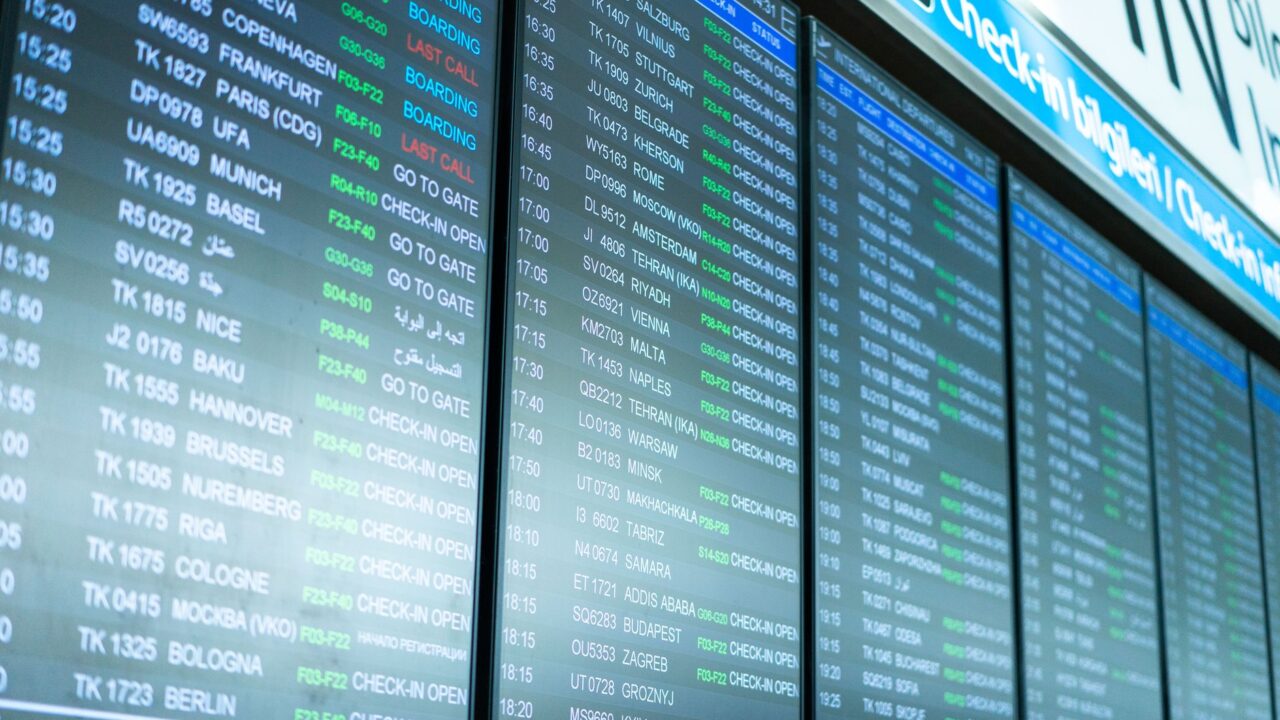
For more than four hours on Friday, November 13, almost no planes took off from U.S. airports. The FAA issued a rare nationwide ground stop after communication problems hit several air traffic control centers, leaving thousands of flights delayed or canceled. It wasn’t a cyberattack or bad weather: according to the government, it was old telecom equipment that couldn’t handle a software patch. Here’s what happened and why it matters.
What happened
The FAA said it issued the nationwide ground stop “following communication issues impacting multiple Air Route Traffic Control Centers.” According to The Verge, the stop began at 3:44 p.m. ET and was lifted at 8:15 p.m. ET. Jon Ostrower of The Air Current reported that the trouble started at the Chicago center and spread to centers in Boston, Washington, New York and Minneapolis, disrupting both the radar data and the radio frequencies controllers use to talk to pilots.
The impact was huge. FlightAware listed 9,124 U.S. flights as delayed and 5,901 as canceled as of 8:39 p.m. ET, and many travelers stayed stuck overnight because crews ran out of time they were allowed to work. It was only the third nationwide ground stop this century: the last one, in 2023, lasted about 90 minutes after the NOTAM system for pilots failed, and the one before that followed the September 11 attacks.
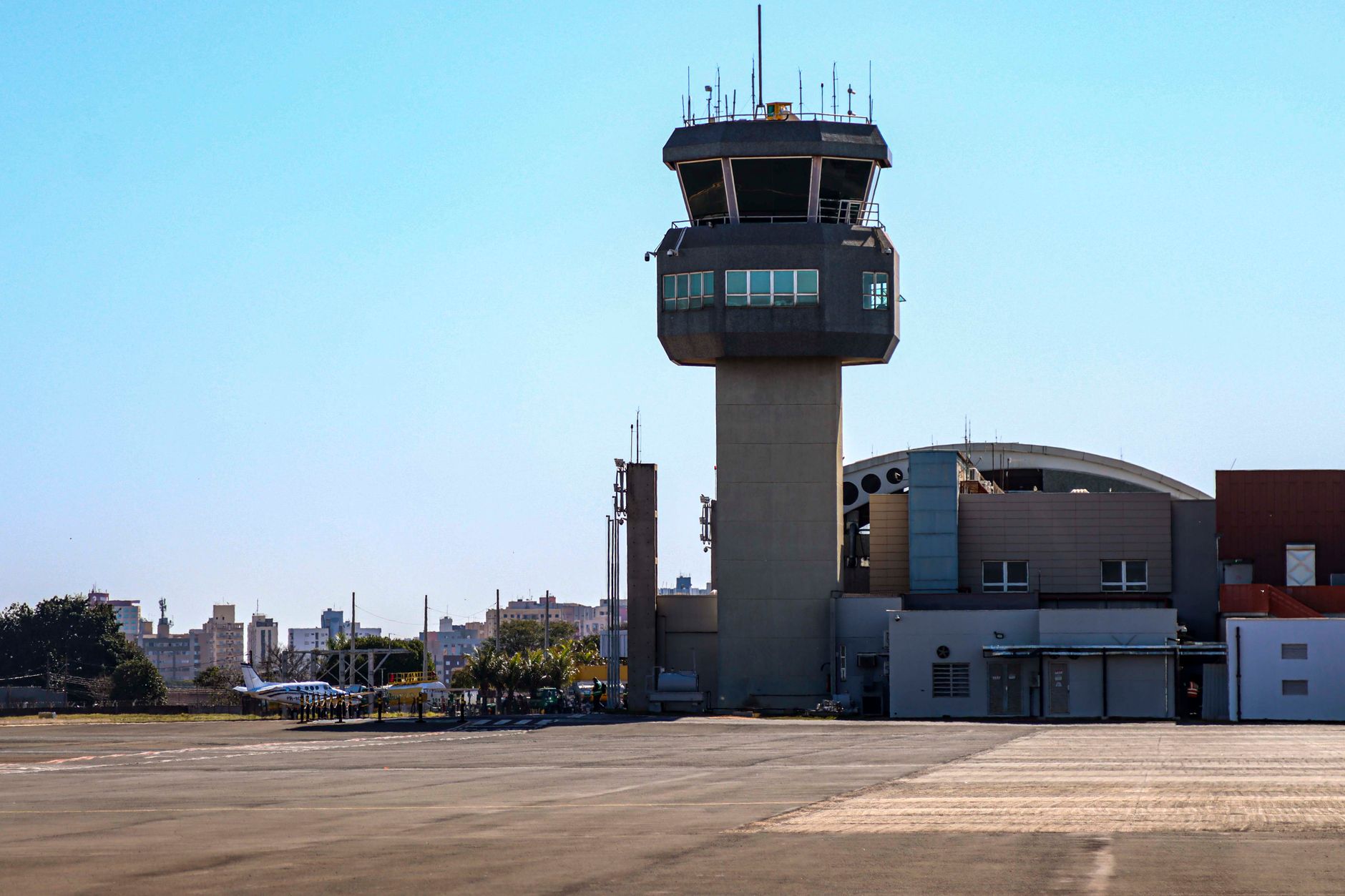
The tech behind the failure
At a White House press conference, Transportation Secretary Sean Duffy blamed the age of the air traffic control system. He said radar approach facilities “started to have inconsistency in the data from the radars and the communications from airplanes” after the switches and routers in old analog telecom equipment “got overloaded with data.”
That equipment uses TDM (time-division multiplexing), a legacy telecom technology that the FAA still relies on to move data between facilities. According to Engadget, Duffy said equipment that had already been replaced wasn’t affected, and that controllers didn’t lose all radar and communications; the FAA stopped flights out of caution.
What triggered the overload? CBS News reported, citing multiple sources, that an update to the air traffic control system’s private communications network, run by contractor L3Harris, caused a system reboot. At the press conference, Duffy and Homeland Security Secretary Markwayne Mullin confirmed that “patches” to the existing system sparked the problem. “By doing nothing, you inject way more risk into the system,” Duffy said.

Was it a cyberattack?
Mullin said there is no indication of a cyberattack or national security threat, and no connection to the Microsoft outage that took down Outlook and Teams this week, though Homeland Security isn’t ruling anything out yet. Asked about the new AI-based SMART airspace management system that went live nationwide on November 10, he said officials were looking into it. Air Space Intelligence, the company behind SMART, denied any link to the ground stop.
Why this keeps happening
Congress has already given the FAA $12.5 billion to modernize air traffic facilities, and Duffy is pushing for $30 billion more. “It’s going to continue to fail,” he told reporters, according to the New York Times. Replacing decades-old analog links with modern digital systems is slow, and as Friday showed, even patching the old network carries risk.
If your flight was canceled
- Check your flight status in your airline’s app or on a flight tracker like FlightAware before heading to the airport, since delays can ripple for days.
- Know your refund rights. According to the U.S. Department of Transportation, if an airline cancels your flight for any reason and you don’t accept a rebooking, travel credit or other compensation, you’re entitled to a refund, including taxes and fees.
- Refunds have deadlines. DOT says credit card refunds are due within seven business days, and other payment methods within 20 calendar days.
Big infrastructure failures are a reminder that software updates can break things anywhere, from airports to your own PC. This week we also covered a new Windows 11 zero-day and what to do about it.
Sources: FAA: Statement on Nationwide Ground Stop, The Verge, Engadget, U.S. Department of Transportation: Refunds