The Bluetooth Special Interest Group has formally adopted a new feature called Bluetooth High Data Throughput, or HDT, as an optional part of the Bluetooth Core 7.0 specification. It’s a meaningful bump for a wireless standard that most of us interact with dozens of times a day without thinking about it, and the first products built around it are expected to show up in early 2027.
What Bluetooth HDT Actually Changes
The headline number is throughput. Bluetooth HDT raises the maximum supported bit rate on Bluetooth LE devices from 2Mbps to as much as 7.5Mbps, nearly four times the current ceiling. And it runs on Bluetooth LE, the low-energy flavor of Bluetooth that Engadget notes is already power-saving by nature.
More bandwidth over the same connection means devices can move a lot more data in the same window of time. That sounds abstract until you think about what actually travels over Bluetooth: audio streams, sensor readings, firmware packages, and increasingly, data tied to AI features and spatial computing.
Better Audio and Smarter Devices
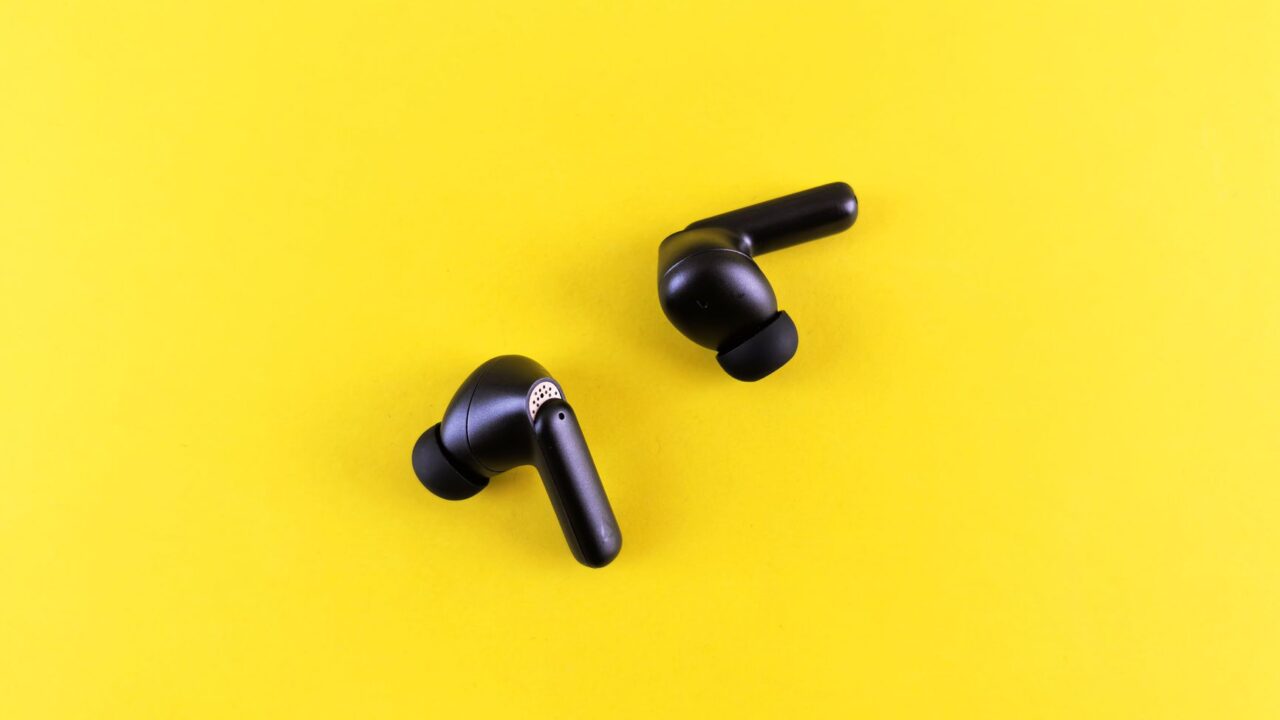
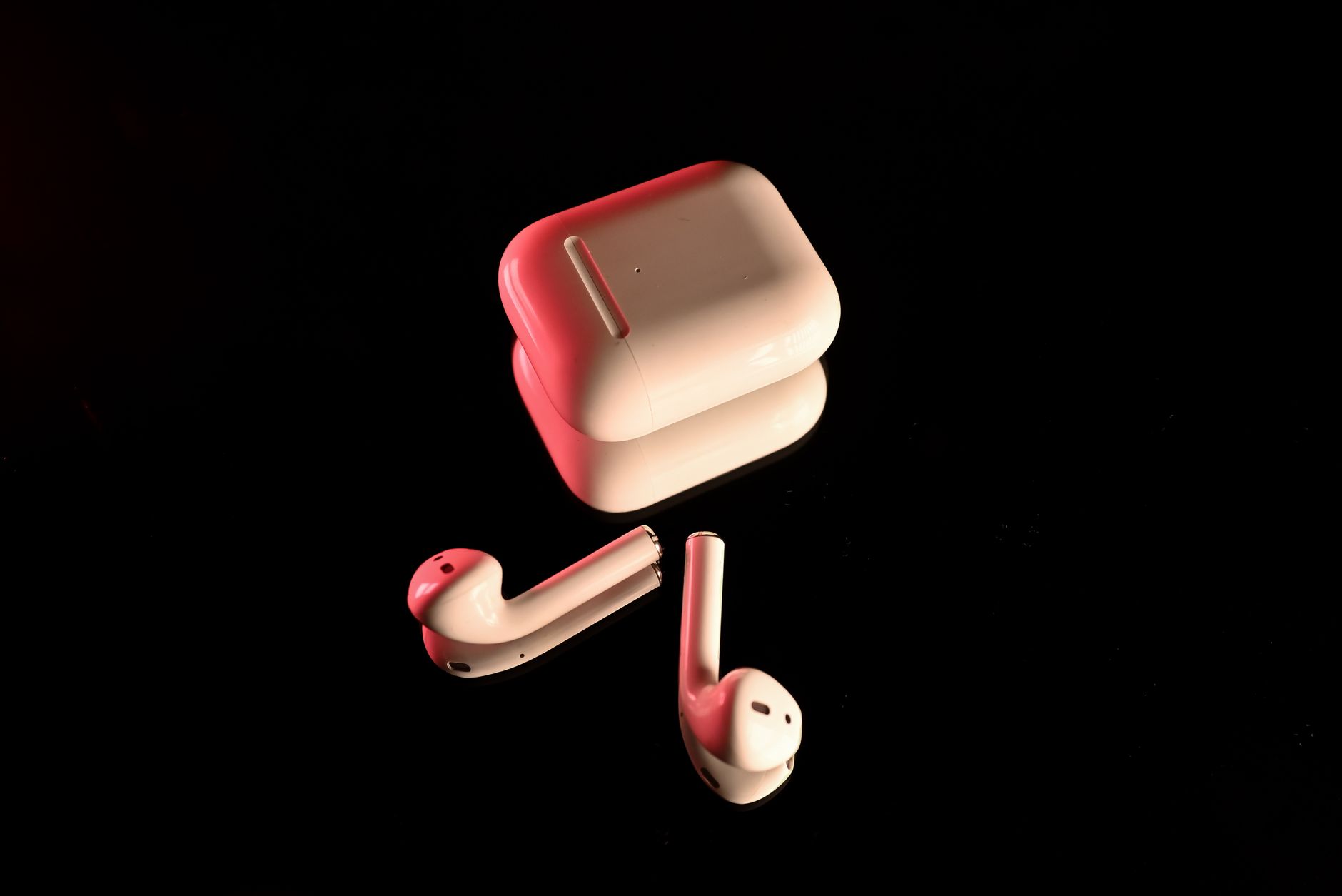
The most immediate beneficiary is wireless audio. Higher throughput opens the door to better-quality streams, and the Bluetooth SIG specifically points to new spatial and multi-channel audio experiences becoming possible once HDT is in place. For ways to get better sound today, see our guide to improving audio quality on Android.
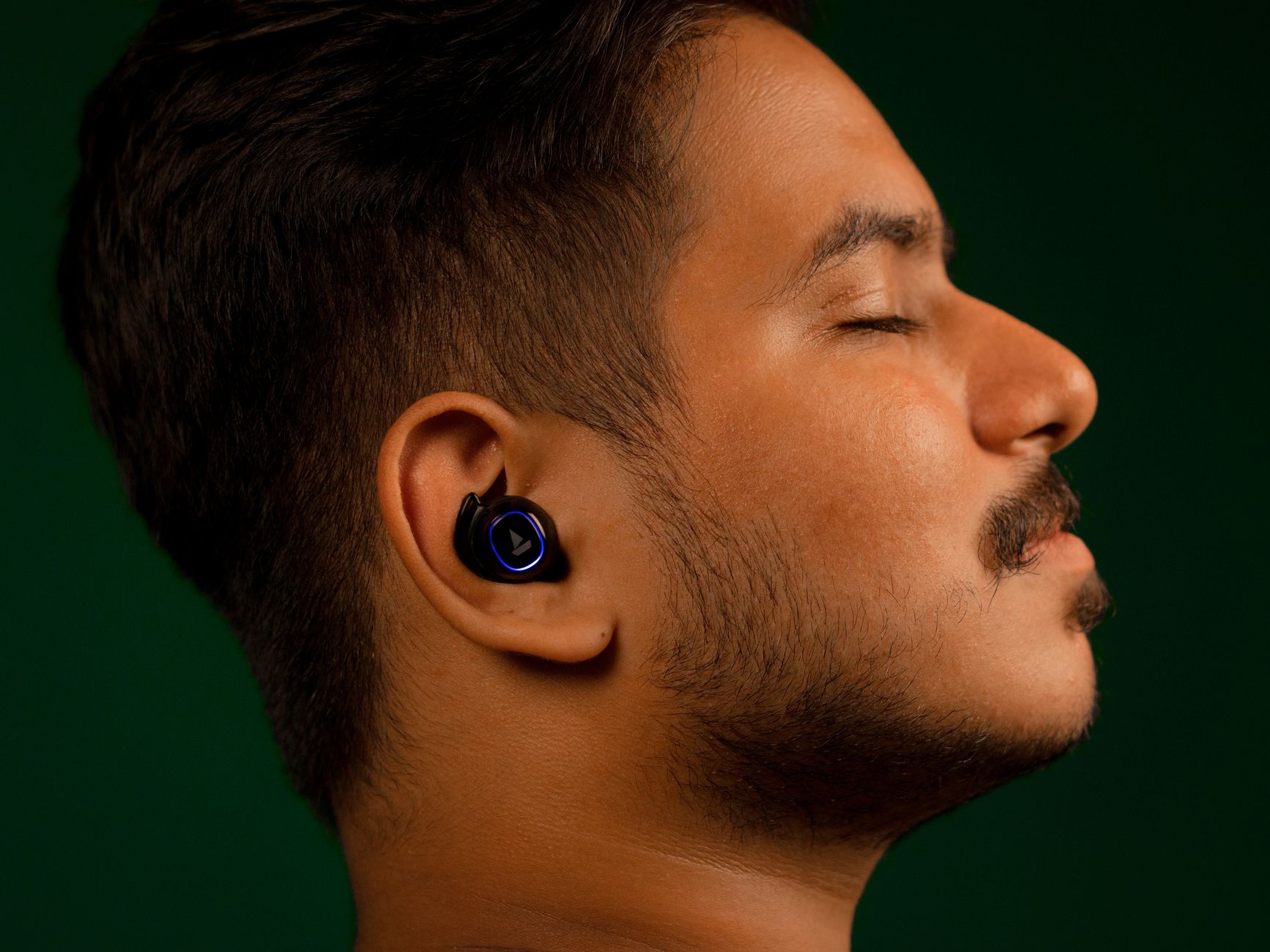
It’s not just about sound, though. The extra bandwidth should also improve general efficiency and reliability for Bluetooth connections overall, and it gives the standard more headroom to handle data-hungry AI applications and spatial computing hardware, categories that are only getting more demanding.
Faster Updates and Syncing
Some of the most noticeable improvements for everyday users may be the least exciting on paper. Keeping your smartwatch firmware updated or syncing fitness data between a wearable and your phone currently involves a connection that can feel slow and occasionally disruptive. With nearly four times the throughput, those routine background tasks should finish faster and interrupt what you’re doing less often.
When to Expect HDT Devices
Because HDT is an optional feature within Bluetooth 7.0 rather than a mandatory one, adoption will roll out gradually as manufacturers choose to build it into new chipsets and products. The Bluetooth SIG expects the first HDT-capable devices to arrive in early 2027. Engadget expects the first wave of HDT devices could be announced at CES in January, if not before.
The Bottom Line
Bluetooth HDT is a backend improvement rather than a flashy new feature, but backend improvements are often the ones that quietly make everything else better. Faster LE throughput should mean higher-quality wireless audio, quicker firmware and fitness syncing, and more headroom for AI and spatial computing features that are becoming common in headphones and wearables. There’s no confirmed product list yet, so the real test will be which companies adopt HDT first and how quickly it trickles down from flagship accessories to everyday ones.
Source: Engadget
Where to buy

As an Amazon Associate I earn from qualifying purchases.