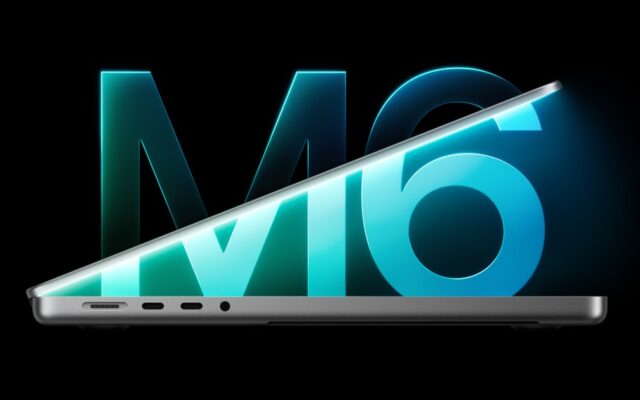
Apple has officially unveiled a redesigned MacBook Pro, and the headline feature is one the company resisted for years: a touchscreen. The new MacBook Pro with PROLED XDR pairs that touch-enabled OLED display with a lighter body, larger screens and a starting price that pushes well past what MacBook Pro buyers are used to paying.
What’s actually new
The redesign brings slimmer bezels, a lit-up Apple logo on the back, and a Dynamic Island cutout around the webcam, mirroring the design language Apple already uses on iPhone. Thanks to the trimmed bezels, Apple also grew the screens slightly, to 14.2 inches and 16.3 inches depending on the model.
Inside, the laptops run on the same M5 Pro or M5 Max chips found in the non-touch MacBook Pro lineup, so this isn’t a separate performance tier — it’s the same silicon wrapped in a new design with a new screen technology.
The screen is the real upgrade
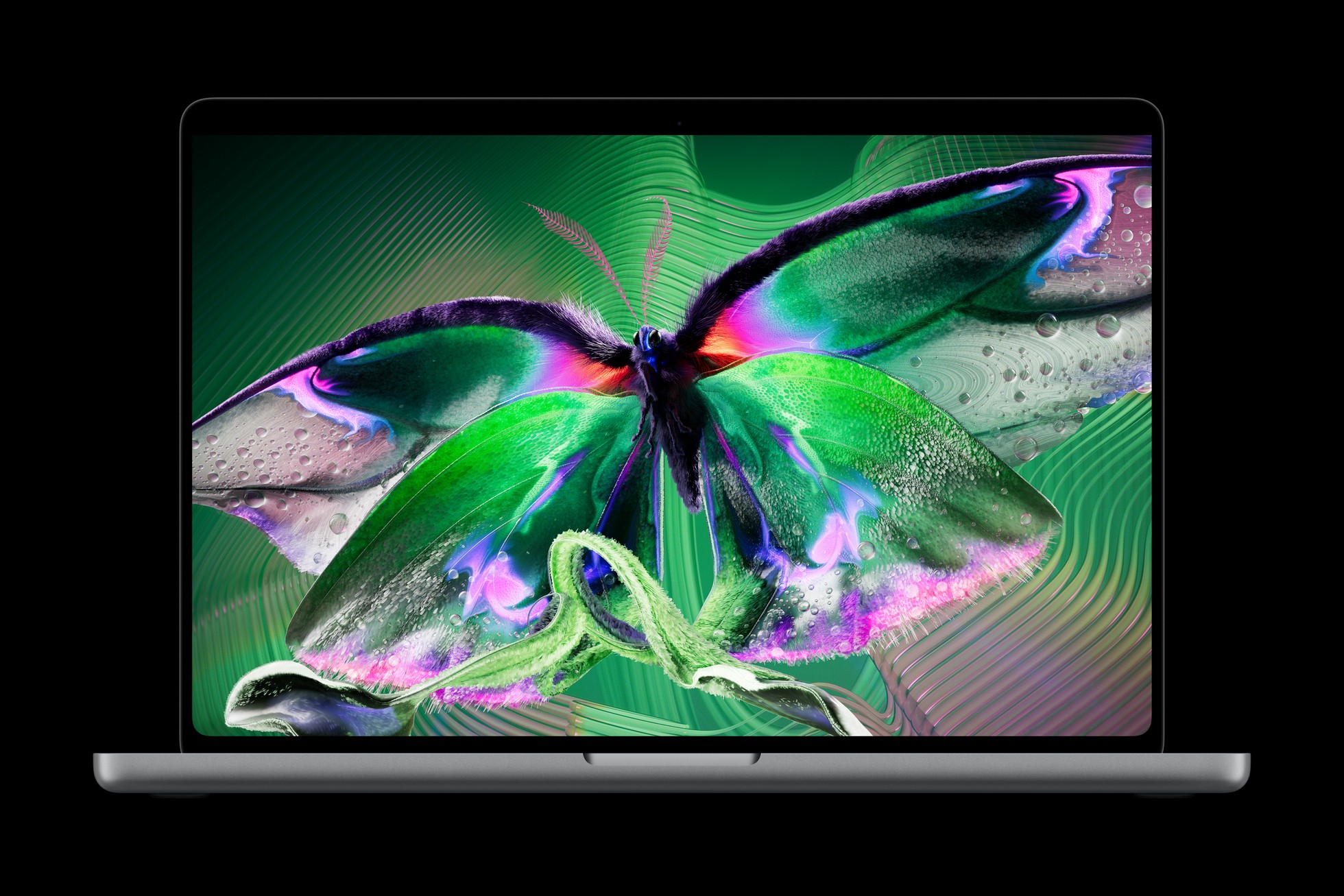
The new ProLED XDR display reaches up to 2,000 nits of peak brightness and claims a 10,000,000:1 contrast ratio, which Apple is calling industry-leading. Refresh rate stays at 120Hz, the same as the current MacBook Pro’s ProMotion display, so the jump here is about brightness, contrast, and touch input rather than smoothness.
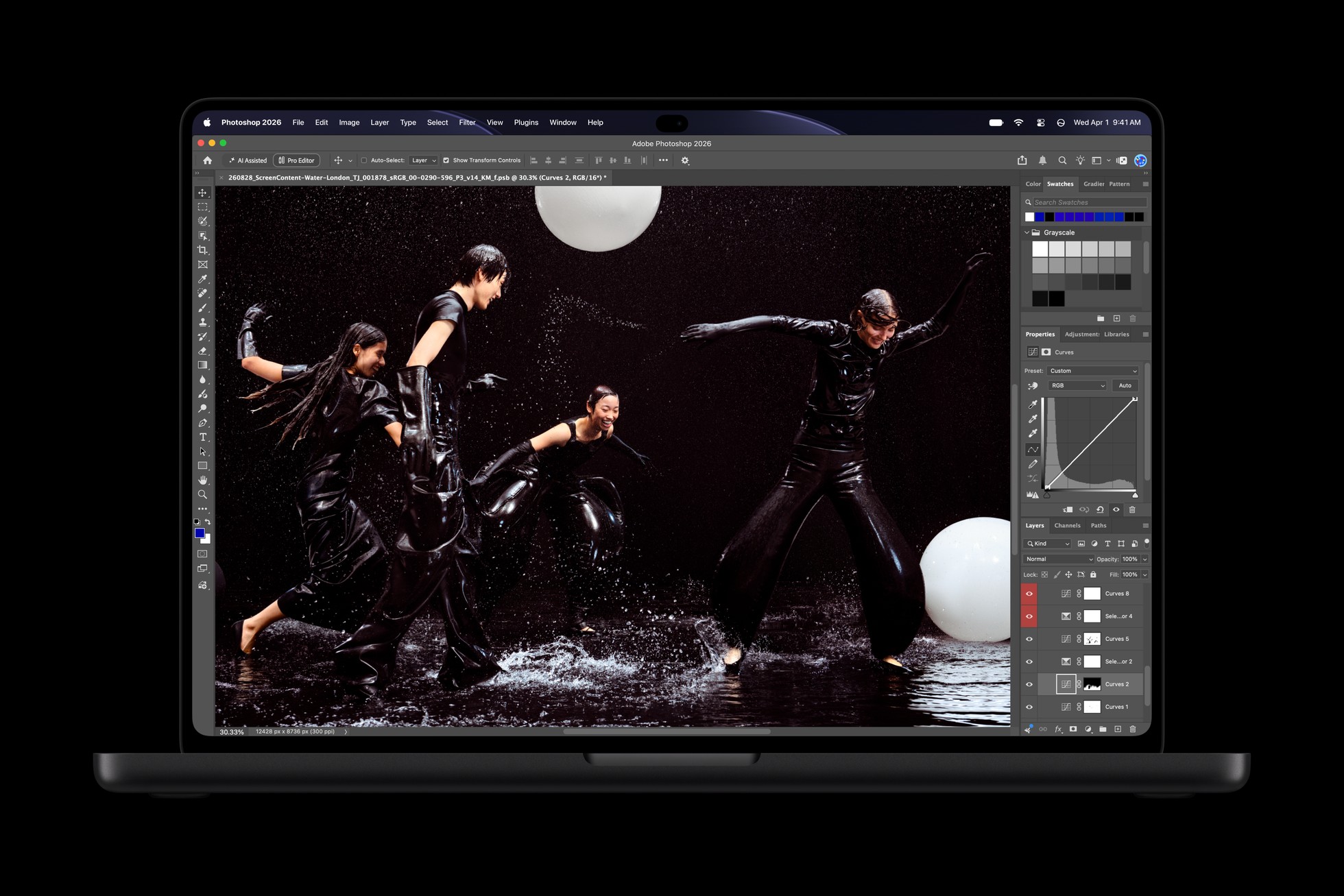
On weight, Apple says the 14-inch touchscreen model comes in at three pounds, compared to 3.4 pounds for the current non-touch 14-inch MacBook Pro. The 16-inch version weighs four pounds versus 4.7 to 4.8 pounds for today’s model. That’s a meaningful drop for anyone who carries a 16-inch laptop daily, and it echoes what had been reported ahead of launch about the redesign shedding weight.
Why a touchscreen Mac, now
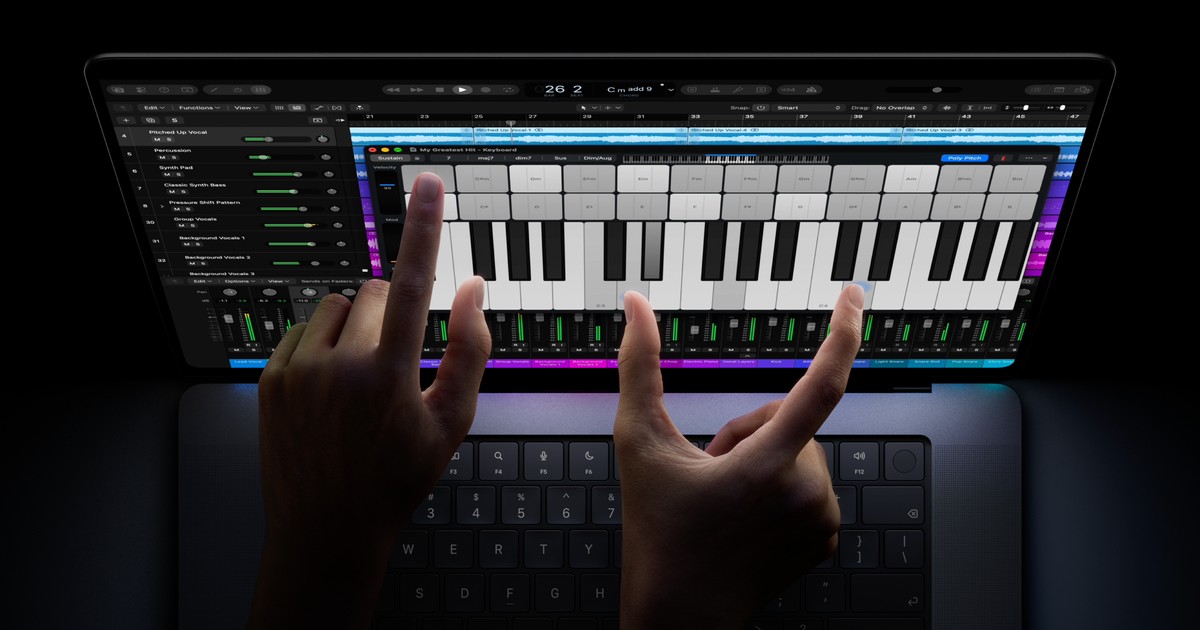
Windows laptops have had touchscreens for roughly 15 years, but Apple kept macOS and its touch-based platforms (iOS, iPadOS, watchOS) strictly separate. That changes here. Apple says macOS now treats touch input as equivalent to a click, so any Mac app should respond to taps, while apps like Notion, Canva, PowerPoint, and Blender get native touch support built in. The demo material also shows people swiping through media and manipulating 3D objects directly on screen, and touch should make it easier to interact with iOS apps running on the Mac — a detail that will matter most to developers testing iPhone and iPad software without reaching for a second device.
Ports remain unchanged from the current lineup: three Thunderbolt 5 USB-C connections, MagSafe, HDMI, a headphone jack, and an SDXC card slot. Apple isn’t using the touchscreen as an excuse to cut anything buyers already rely on.
Pricing puts this out of reach for most people
The 14-inch model starts at $2,899, and the 16-inch starts at $3,399 — the highest launch prices ever for a MacBook Pro. Configure one all the way up, with an M5 Max chip, 128GB of RAM, and maximum storage, and the 16-inch model hits $14,549. That’s not a laptop aimed at everyday buyers; it’s aimed at professionals who need the horsepower and, increasingly, at people running demanding AI workloads locally on their own machine, a use case that’s been fueling interest in high-end hardware like the RTX Spark Windows laptops as well.
The bottom line
This is the touchscreen MacBook Pro that’s been rumored for a while, and Apple used the moment to also cut weight and upgrade the display, not just bolt touch onto the existing hardware. If you were hoping this redesign would also bring the price down, it does the opposite. For most people, the existing non-touch MacBook Pro with the same M5 chips will still make more financial sense. But if you want the lightest and brightest MacBook Pro Apple has made, and you don’t mind paying for it, this is now the one to watch — assuming you can live with a name that doesn’t exactly roll off the tongue.
Source: Engadget
Where to buy


As an Amazon Associate I earn from qualifying purchases.