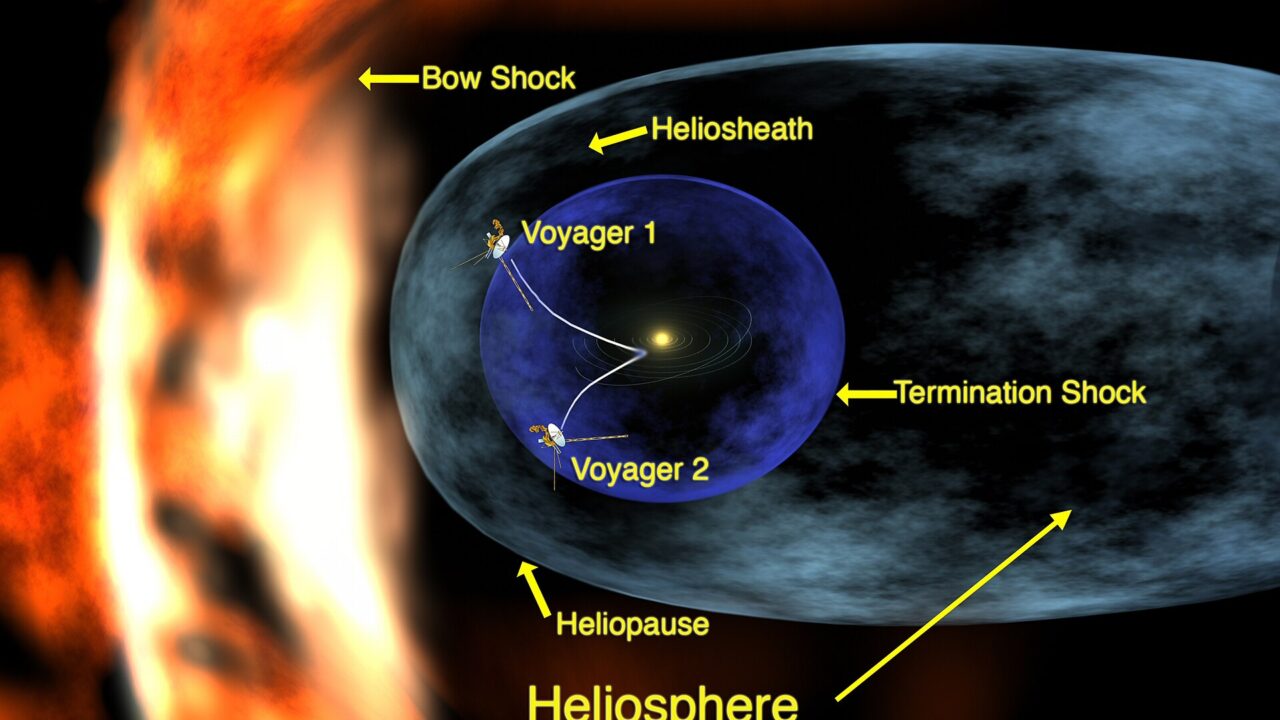
Nearly five decades after it left Earth to study Jupiter and Saturn, NASA’s Voyager 1 probe is about to hit a milestone no human-made object has ever reached: a distance of one light-day from Earth. According to NASA, the spacecraft will cross that threshold on November 18, 2026, at 5:16:07 a.m. EST, and the agency has even set up a countdown clock to mark the moment.
What “one light-day” actually means
A light-day isn’t a unit of time but of distance — specifically, how far light travels in 24 hours. Since light moves at about 186,282 miles per second, that works out to roughly 16 billion miles, or 26 billion kilometers. For scale, the Moon sits just 238,855 miles from Earth, and the Sun is about 93 million miles away. Voyager 1, already the most distant human-made object, is about to be roughly 170 times farther from us than the Sun.
A five-year mission that became a 49-year journey
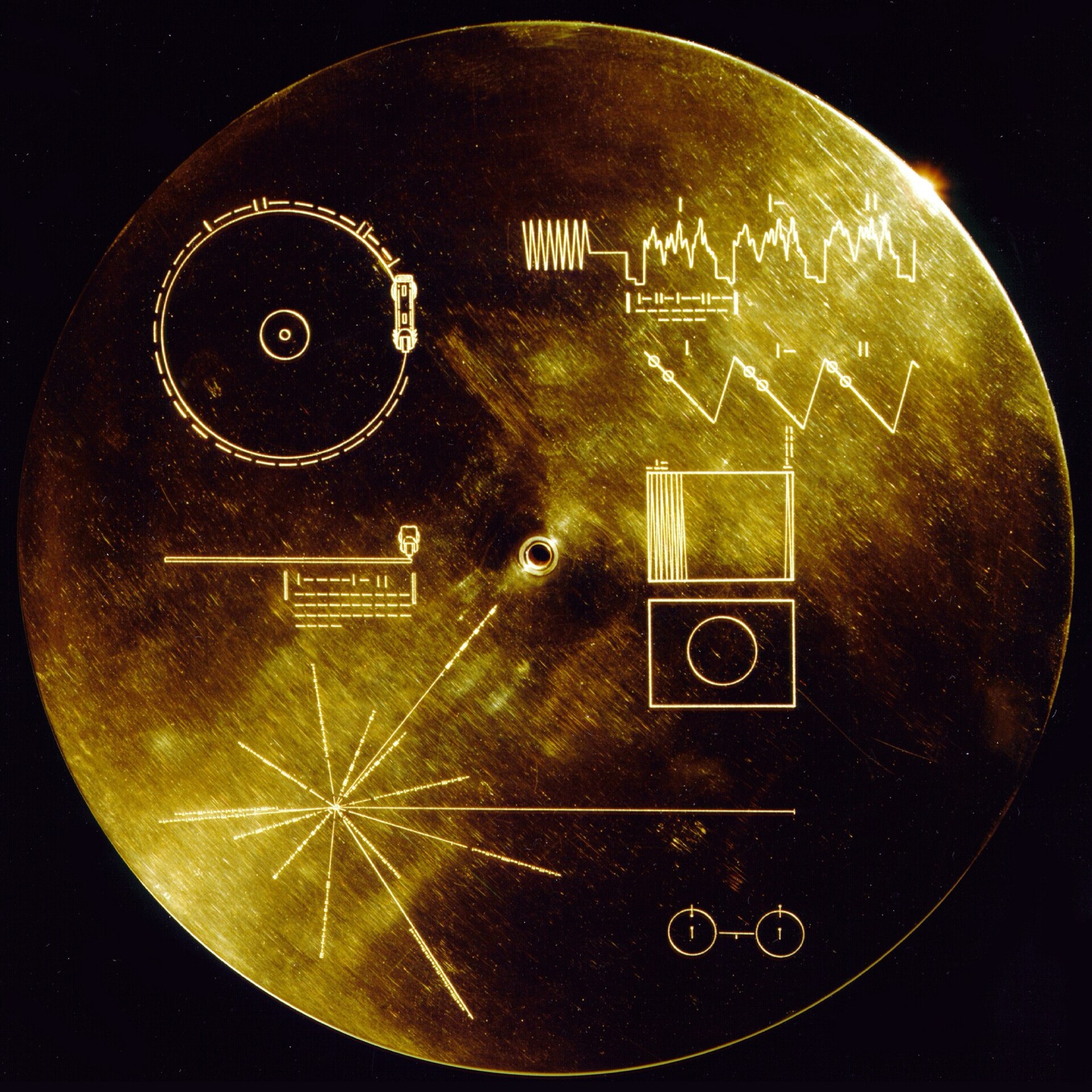
Voyager 1 was originally designed for a five-year mission to fly past Jupiter and Saturn. Instead, it has operated for nearly ten times that long, cruising through the solar system and now deep into interstellar space. In all, it will have taken the probe 49 years, 2 months, and 13 days total to reach the one light-day mark, even though it’s traveling at an estimated 37,844.49 mph relative to the Sun — fast, but still far slower than the Parker Solar Probe, which holds the record at 394,736 mph.
Keeping a 49-year-old spacecraft alive
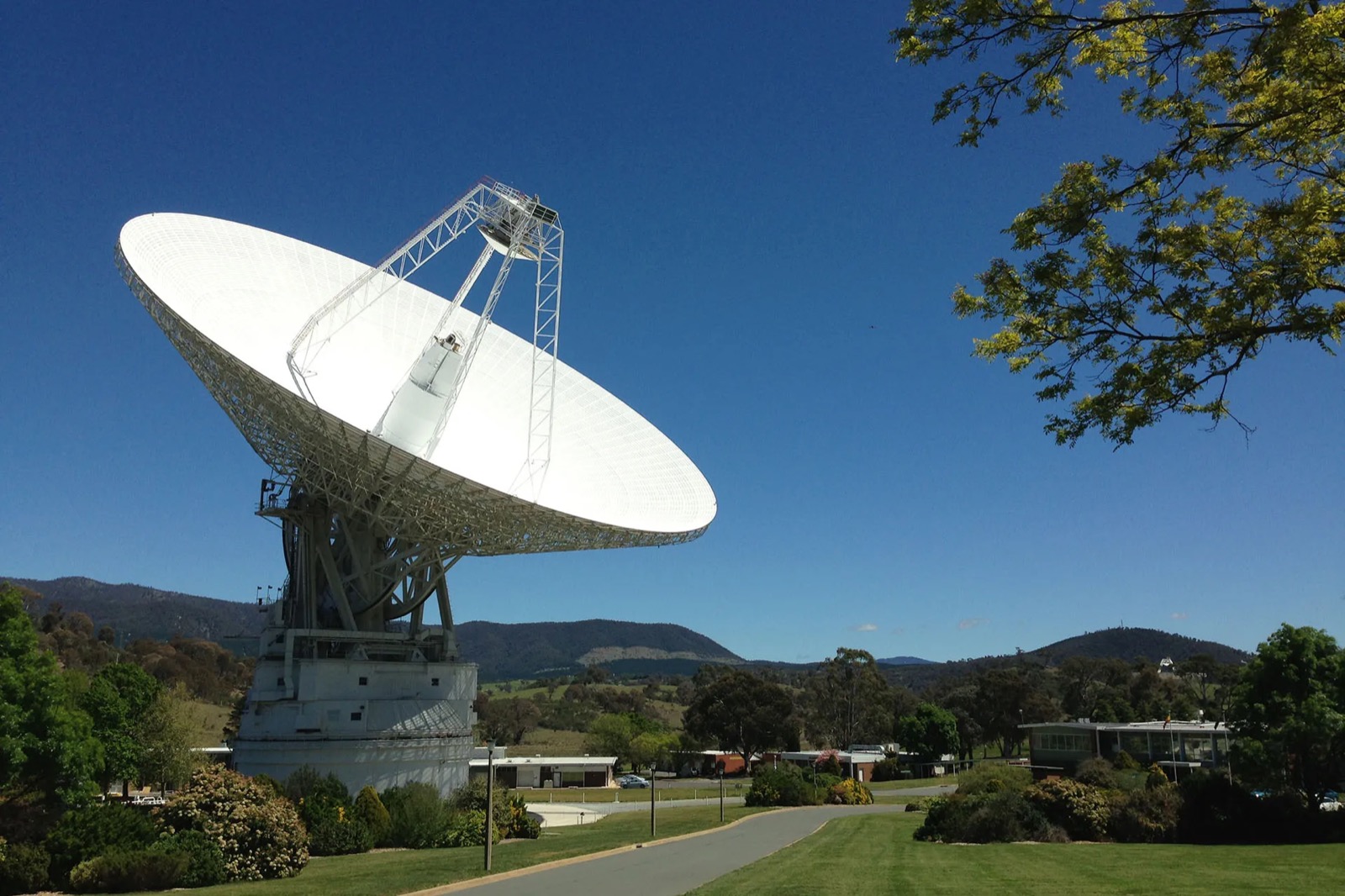
Reaching this distance hasn’t been simple. In 2024, Voyager 1 suffered a critical memory error that took engineers weeks to diagnose and fix, a task made harder by the spacecraft’s distance: at the time, one-way communication already took more than 22 hours, meaning a round trip of at least 45 hours just to confirm a fix worked. Earlier this year, NASA also had to trigger an emergency instrument shutdown after the probe’s power levels dropped unexpectedly. These incidents highlight just how delicate long-distance spacecraft maintenance becomes as hardware ages and signal lag grows.
Voyager 1 is powered by three radioisotope thermoelectric generators (RTGs), which convert heat from decaying plutonium into electricity. Experts estimate there’s enough power left to keep the spacecraft operating into the 2030s, barring a major failure. After that, it will keep drifting through interstellar space, even once it can no longer phone home.
Where Voyager 1 is headed next
The probe’s current trajectory points it toward a star called AC +79 3888, also known as Gliese 445, located in the Ursa Minor constellation. Voyager 1 is expected to eventually pass within about 1.7 light-years of that star, a trip that will take many thousands of years at its speed of roughly 0.0056% of the speed of light. It’s a reminder of just how vast interstellar distances really are, even for an object that has already covered 16 billion miles.
The bottom line
Voyager 1’s upcoming one light-day milestone is less about raw speed and more about endurance — both the spacecraft’s and the engineering teams who have kept a 1970s-era probe functional across nearly five decades and ever-growing communication delays. It won’t be the fastest object humans have ever launched, but it will remain, for the foreseeable future, the farthest one we’ve ever reached.
Source: Tom's Hardware
Where to buy
As an Amazon Associate I earn from qualifying purchases.