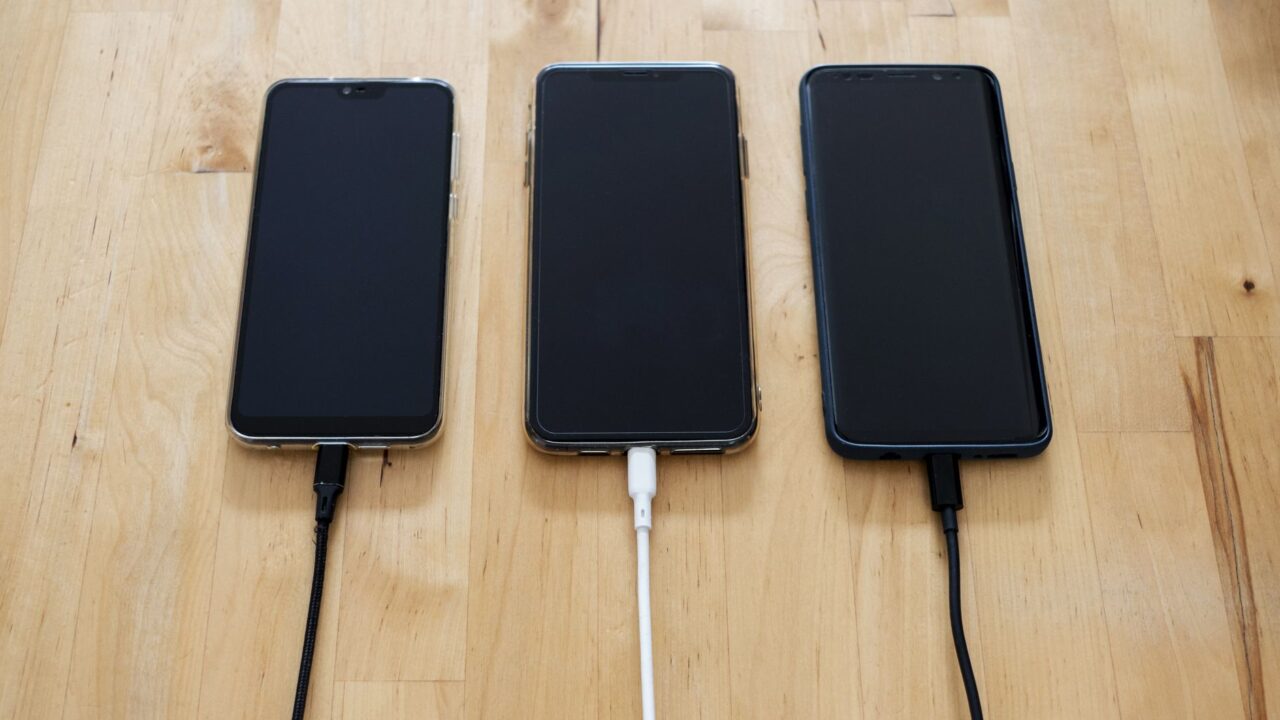
Samsung’s Galaxy S27 series isn’t expected until early 2027, but the leaks are already piling up. The leaks so far, sourced from Chinese regulatory filings and separate tipsters, points to the Galaxy S27 Pro and Ultra getting noticeably bigger batteries, 60W wired charging, and a chipset split that keeps Qualcomm in charge of the flagship Ultra model worldwide.
Bigger batteries and 60W charging
According to China’s 3C regulatory listings that surfaced in September, tied to model numbers SM-S957 and SM-S958, both the Galaxy S27 Pro and Galaxy S27 Ultra could support 60W wired charging. For the Ultra that would simply match the 60W of the current Galaxy S26 Ultra, so it matters most for the Pro model, since it wasn’t clear whether Samsung would give its second-tier flagship the same charging speed as the Ultra.
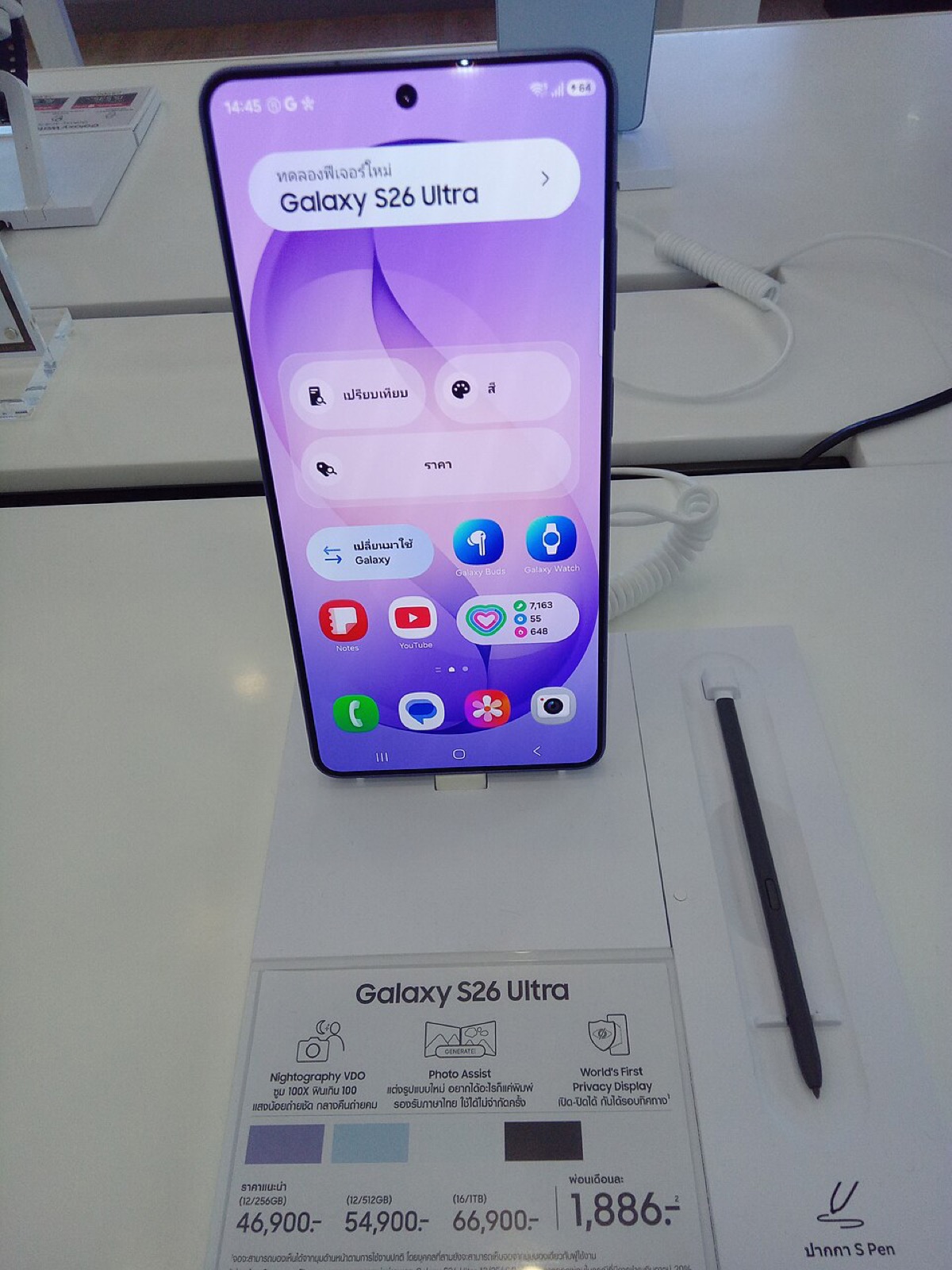
The more interesting detail is battery capacity. The listings suggest a 5,087mAh cell for the Galaxy S27 Pro and a 5,534mAh cell for the Galaxy S27 Ultra, which Samsung may round up and advertise as 5,200mAh and 5,700mAh, respectively. If that holds up, the S27 Ultra would mark a real departure from recent history: Samsung has used a 5,000mAh battery in every Ultra model since the Galaxy S21 Ultra, including the Galaxy S26 Ultra we covered in our Galaxy S26 Ultra vs Galaxy S25 Ultra comparison. A battery that’s roughly 500-700mAh larger would be the Ultra line’s first capacity increase in years, though actual battery life will still hinge on the processor, display efficiency, and software optimization.
For context, earlier leaks suggest the base Galaxy S27 could stick with 25W charging and the S27 Plus could offer 45W, which would leave the base model as the slowest-charging phone in the lineup.
Snapdragon for the Ultra, Exynos for everyone else
A separate report adds a twist to the chipset story. Rumors earlier suggested Samsung might bring its in-house Exynos 2700 to the Galaxy S27 Ultra in select markets, but a Naver blogger now claims Samsung has dropped that plan. Instead, the Galaxy S27 Ultra is expected to use Qualcomm’s Snapdragon 8 Elite Gen 6 for Galaxy globally, while the Galaxy S27, S27 Plus, and S27 Pro would run Exynos 2700 in most markets across Asia, Africa, and Europe.
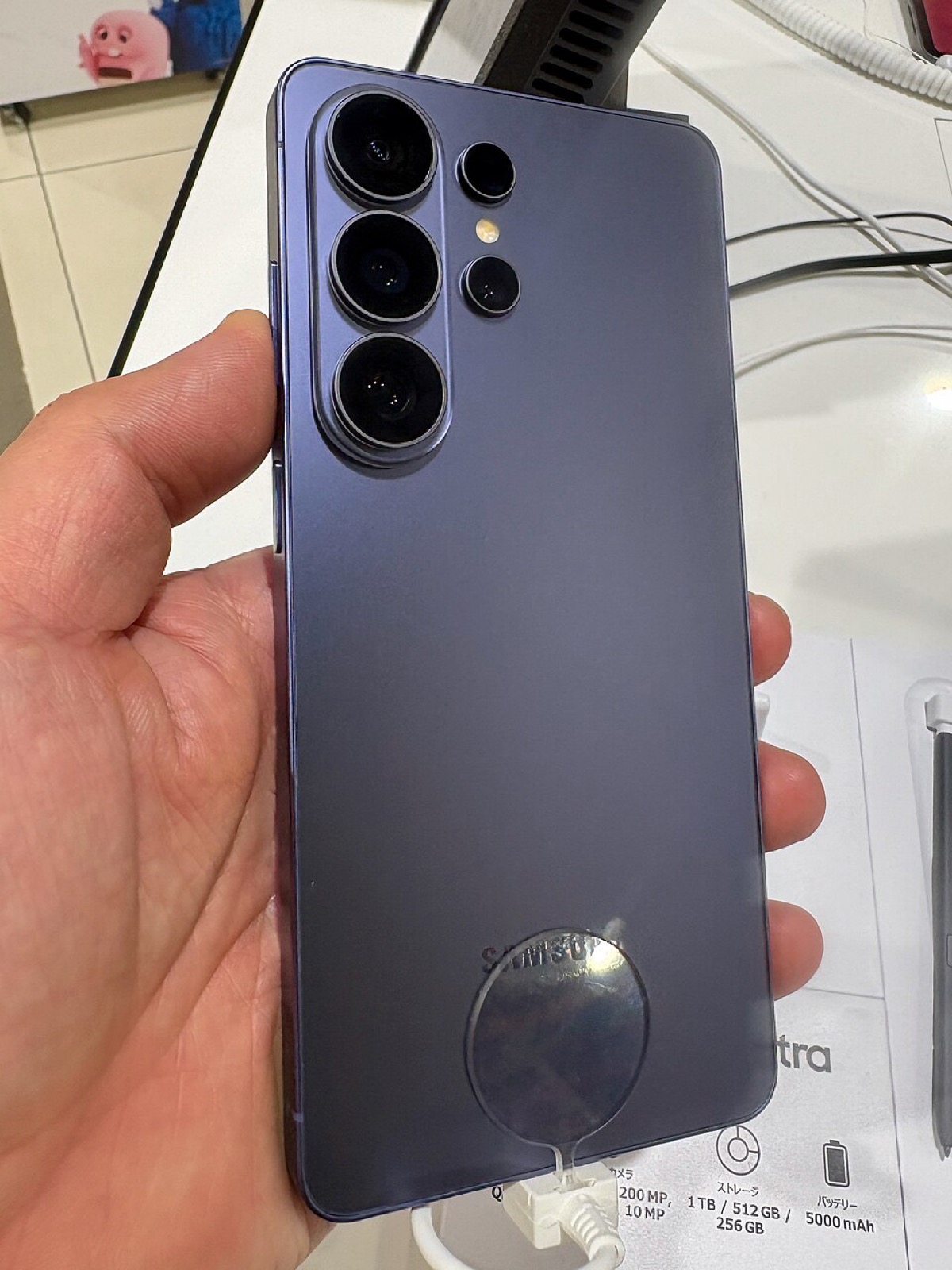
The reported Snapdragon 8 Elite Gen 6 specs include a 2-nanometer TSMC process, a custom Qualcomm Oryon 8-core CPU arrangement (two prime cores up to 5.01GHz, three performance cores up to 4.03GHz, and three efficiency cores up to 3.74GHz), an Adreno 850 GPU with AI-focused matrix cores, and a redesigned Hexagon NPU with 50% more shared memory. Samsung has been closing the gap with Exynos over the past two years, and the 2700 is expected to be only its second chip built on Samsung’s 2nm process. But with the Ultra accounting for the bulk of Galaxy S sales, it seems Samsung isn’t willing to risk the consumer trust issues that still follow Exynos chips.
New displays and a likely price bump
Display tech is also reportedly shifting. The Galaxy S27 and S27 Plus may use an enhanced M14+ OLED material set, while the Galaxy S27 Pro and Ultra are tipped to move up to M16 OLED panels, which should bring noticeably better picture quality to the higher-end models.
Pricing rumors from tipster @phonefuturist suggest the lineup could look like this in the US:
- Galaxy S27: $899
- Galaxy S27 Plus: $1,099
- Galaxy S27 Pro: $1,299
- Galaxy S27 Ultra: $1,399 (reportedly $1,499 in some regions)
Global pricing is expected to run higher across the board, a pattern Samsung has used before to favor US and Korean buyers. None of these figures are confirmed, and component costs remain volatile enough that they could still shift before launch.
What this means for buyers
None of this is locked in, since Samsung hasn’t confirmed any of it, but the direction is consistent: a bigger battery on both phones, plus 60W charging reaching the Pro, would be a tangible upgrade rather than a cosmetic one, especially for anyone who’s felt like Ultra battery life has plateaued since the Galaxy S21 Ultra. The chipset split also isn’t new territory, but confirming Snapdragon-only for the Ultra removes some of the uncertainty around performance consistency worldwide. If you’re due for an upgrade and currently own something like a Galaxy S23 Ultra or earlier, these are the details worth watching as launch gets closer.
The bottom line
The Galaxy S27 Pro and Ultra look set to bring a real battery upgrade alongside 60W charging, a global Snapdragon chip for the Ultra, and sharper M16 displays on the higher-end models. Prices may creep up slightly, particularly outside the US and Korea. All of it is still unofficial, so treat the numbers as a strong early picture rather than a final spec sheet until Samsung confirms details closer to the early 2027 launch.
Source: Sammy Fans
Where to buy
- Samsung Galaxy S26 Ultra: check price on Amazon
- Samsung 45W USB-C Super Fast Charger: check price on Amazon
- Anker USB-C Power Bank 20000mAh: check price on Amazon
- Samsung Galaxy S26 Ultra Case: check price on Amazon
As an Amazon Associate I earn from qualifying purchases.