Google has quietly changed its privacy policy in a way that could bring more personalized ads to people who use its new AI features. As of October 16, the policy that used to promise flatly that Google wouldn’t use content from Drive, Gmail or Google Photos for personalized ads now adds an exception: “unless you choose to make data from these services available to other Google services that support personalized ads.” The change was spotted by Android Authority and reported by The Verge.
Who this affects
The exception applies to people who have connected Gmail, Drive or Google Photos to Google’s Personal Intelligence feature, which lets AI Mode and other Search tools give more tailored answers and recommendations by knowing more about you. According to The Verge, anyone who has made that connection may now see ads targeted on the basis of that content.
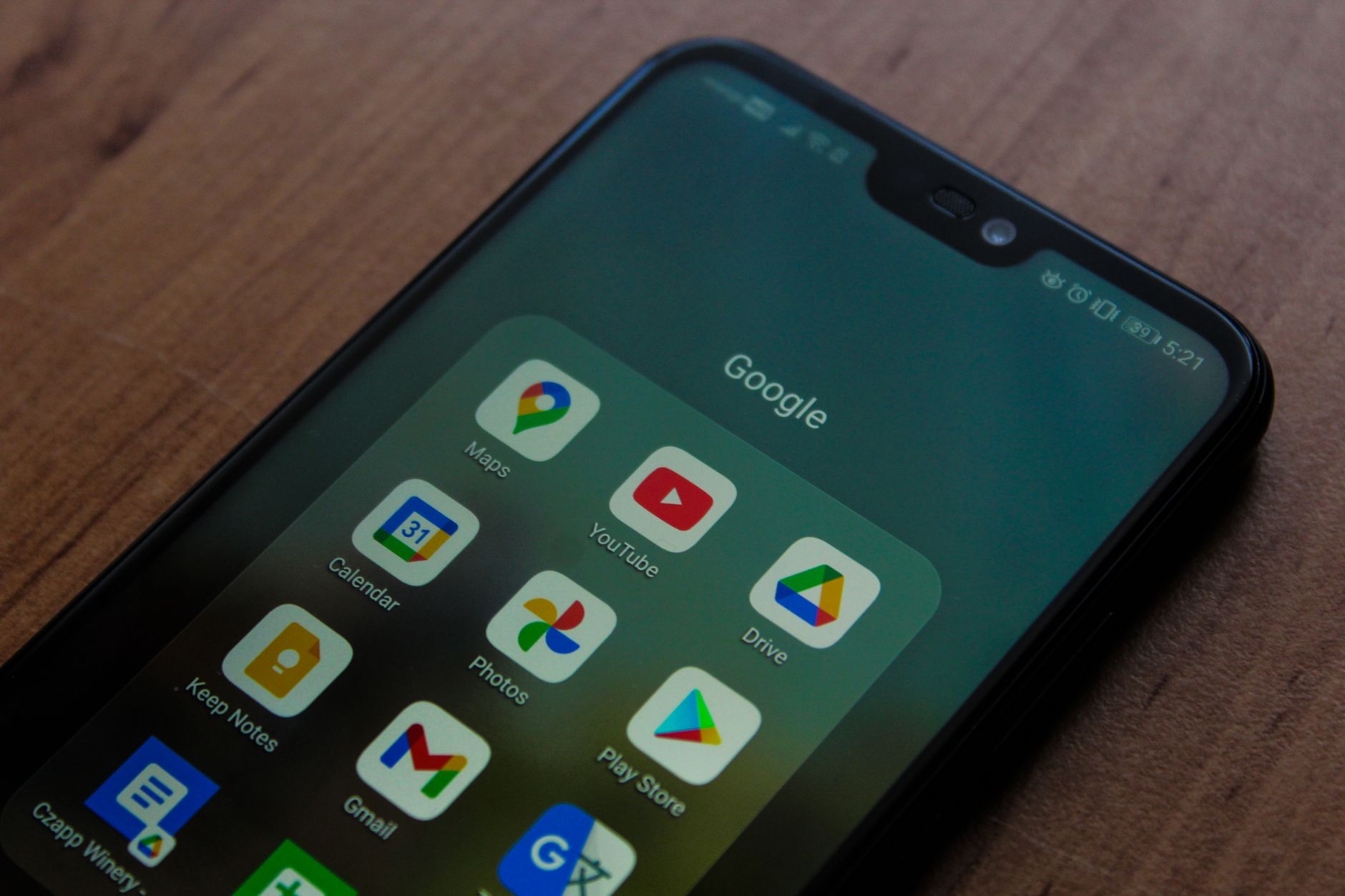
The updated policy says it directly: services like Search or Gemini apps can access data from other Google services you use, such as Google Photos, Gmail and Drive, “to provide you with a more personalized experience,” and Search “may process some of the data that you allow Search to access to personalize content, including ads.”
What advertisers can and can’t see
Advertisers don’t get access to your Drive, Gmail or Photos content, or to personal details such as your name or email address. Google also says it won’t show you ads based on sensitive categories like race, sexual orientation, religion or health. The change is about which of your data Google itself can use to decide which ads you see.
How to opt out
If you don’t want your personal content used this way, you can disconnect apps from Search’s Personal Intelligence features or turn off Personalized Recommendations entirely from Google’s Search Services Personalization settings page. You can also turn off personalized ads for your whole Google Account in My Ad Center. We put together a step-by-step guide to turning these settings off.
The bottom line
Nothing changes for people who never connected Gmail, Drive or Photos to Google’s AI features. But if you did, Google can now use what it learns from that content to personalize ads, so it’s worth checking your settings and deciding whether the better AI answers are worth it.
Sources: The Verge, Google Privacy Policy