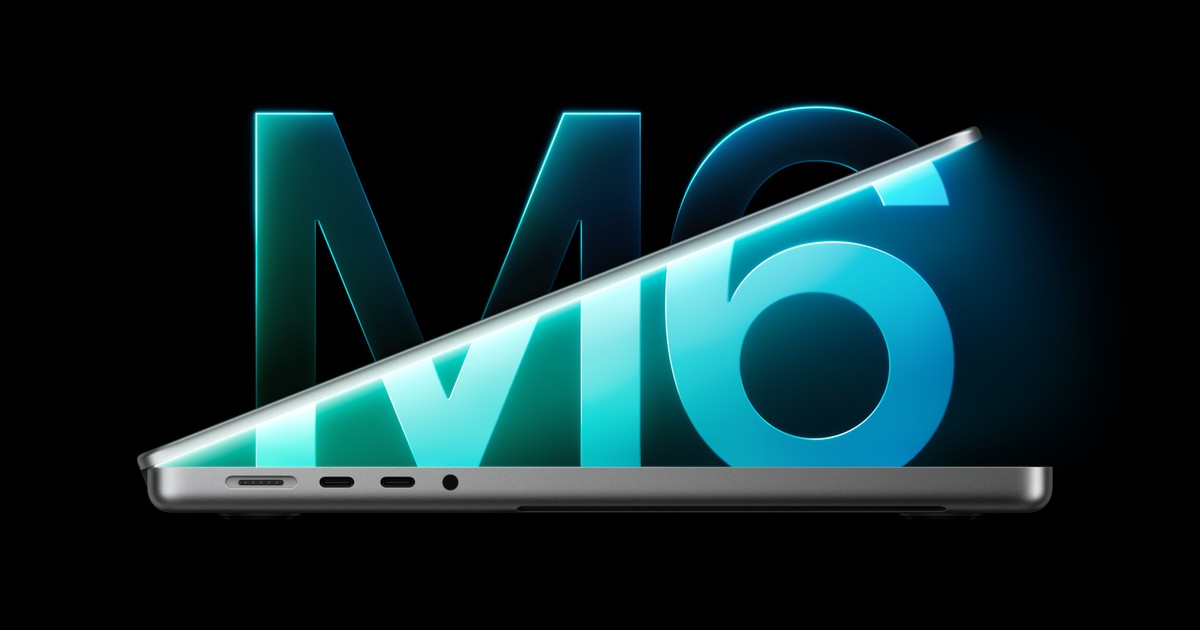
Apple is quietly refreshing two of its most familiar computers. The 14-inch M6 MacBook Pro and a new iMac lineup are gaining Apple’s latest chip, arriving in the same chassis these machines have used for years but with a faster processor, upgraded wireless hardware and a bigger push toward on-device AI.
What’s New Under the Hood
The base 14-inch MacBook Pro moves to the M6 chip, configured with 12 CPU cores and 12 GPU cores, along with dual neural engines aimed at handling certain AI workloads directly on the machine rather than in the cloud. Memory tops out at 32GB, and the laptop picks up Wi-Fi 7 and Bluetooth 6 through Apple’s own N1 networking chip, a meaningful jump for anyone still on older wireless standards.

iMac Gets the Same Treatment
The iMac lineup is also moving to M6, but with a twist: there’s a cut-down configuration with a 10-core CPU and 10-core GPU alongside the fuller chip option. As with previous iMac generations, the number of Thunderbolt 4 ports you get depends on which chip you choose — two ports with the base configuration, four with the higher-core option. Every iMac also gains the same Wi-Fi 7 and Bluetooth 6 upgrade as the MacBook Pro, plus a 2.5 Gigabit Ethernet port for wired connections.

Pricing and Availability
Pre-orders open Wednesday at 10:10 a.m. PT (1:10 p.m. ET), with shipping starting November 6. The 14-inch M6 MacBook Pro starts at $1,999, or $1,899 with the education discount. The iMac starts lower, at $1,499 ($1,449 for education) for the 10-core configuration, rising to $1,699 ($1,599 for education) for the full chip.
Why Apple Is Launching This Now
These updates land the day before Apple’s “Pro and Tell” event in Los Angeles, where the company is expected to unveil its first touchscreen MacBook Pro with an OLED display. Apple also just redesigned the iPad Mini with a thinner body and OLED screen a day earlier, making this a busy stretch of hardware announcements. It’s a busy week for Apple hardware, and these two refreshes arrive just ahead of the main event.
Who Should Care
Apple is explicitly positioning both machines as AI-forward computers, pairing the new chips with the Siri AI and Apple Intelligence features built into macOS 27 Golden Gate. If you’re running an Intel Mac or an early Apple Silicon model and relying on on-device AI features, these updates are a clear step up, and you can still wait to see the touchscreen MacBook Pro expected tomorrow before deciding. If your current Mac already runs an M-series chip from the last couple of generations, this refresh is unlikely to feel like a must-have upgrade, since the design, ports, and overall experience remain unchanged.
The Bottom Line
This is a straightforward, predictable refresh: same bodies, newer silicon, modest but real improvements to wireless networking and AI capability. It’s not meant to be the headline of Apple’s week — that’s reserved for whatever shows up at the “Pro and Tell” event — but it does mean buyers who want a new Mac without paying a premium for a redesign now have an M6 option starting at $1,499 for the iMac or $1,999 for the MacBook Pro.
Source: Tom's Hardware
Where to buy

As an Amazon Associate I earn from qualifying purchases.