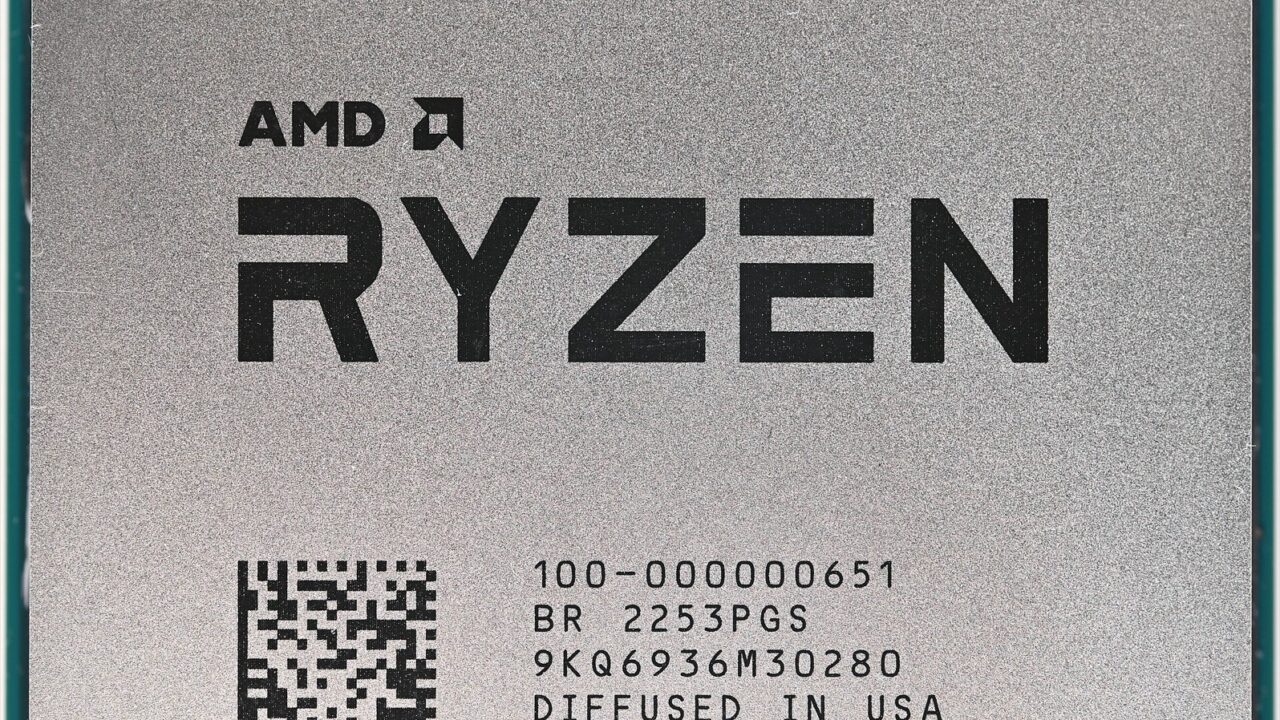
When AMD brought the Ryzen 7 5800X3D back from the dead this year, it looked like a tidy response to the DDR5 memory crunch: give AM4 owners a reason to stay put instead of paying inflated prices for a new platform. According to AMD itself, that timing was a coincidence. AMD Director of Client Product Management Travis Kirsch told the Japanese outlet MyNavi Tech+ that CEO Lisa Su was one of the people who pushed for the relaunch, and that the plan was set in motion before DDR5 memory prices spiked.
A relaunch that required real engineering
Bringing back a four-year-old chip sounds simple on paper, but Kirsch described it as anything but. AMD had to re-engineer parts of the design and update its manufacturing process with TSMC to produce the Ryzen 7 5800X3D again.
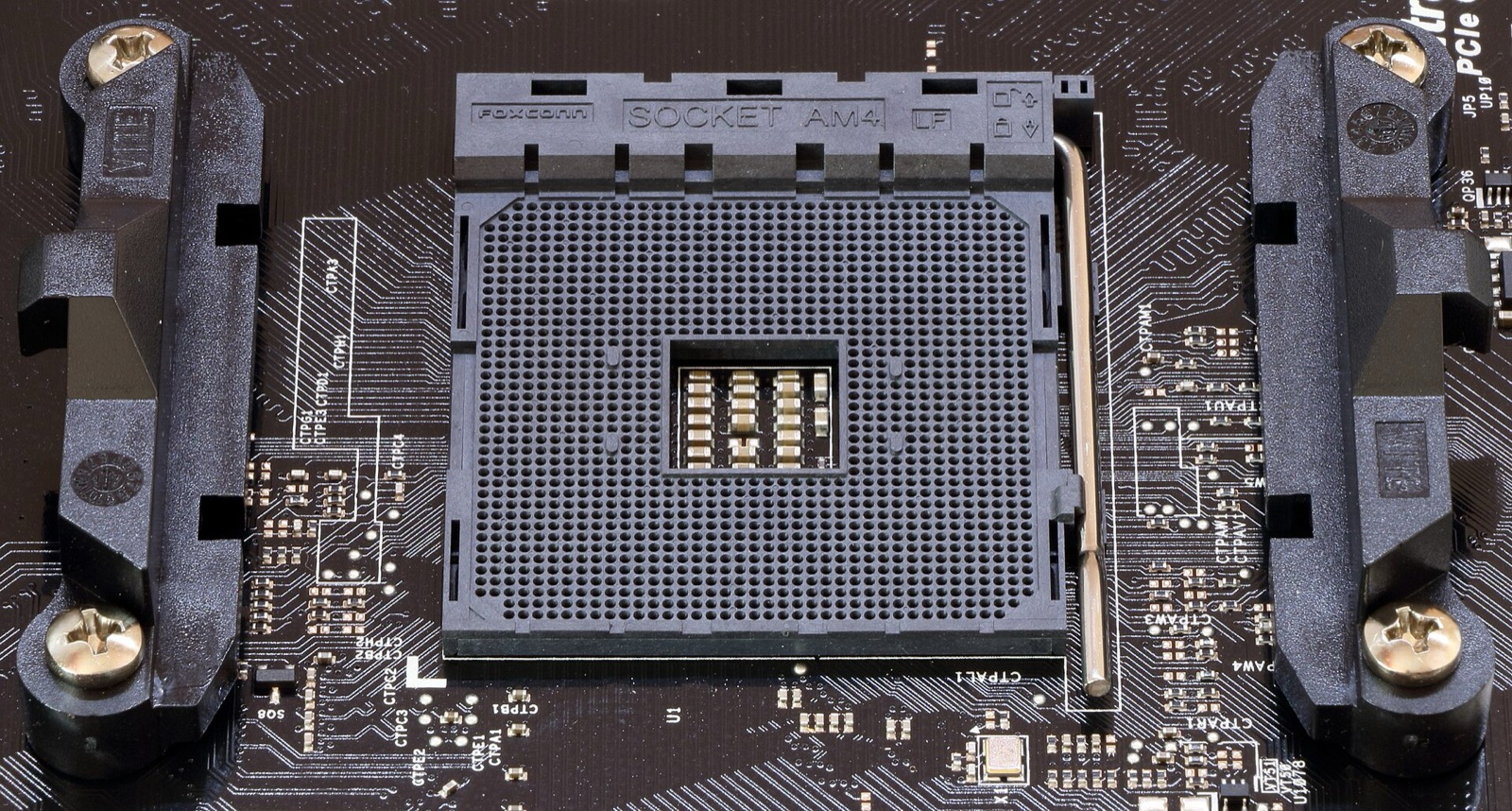
Kirsch framed the decision as a parting gesture to AM4’s loyal fan base. He called it a “final gift” to people who have used AM4 for nearly a decade, giving DDR4 system owners one last meaningful upgrade before the platform is retired for good. For anyone who built a Ryzen system years ago and never felt the need to jump to AM5, that’s a notable olive branch: a modern-feeling performance boost without replacing the motherboard or memory.
Good timing, not a countermeasure
The relaunch landed right as the broader memory chip shortage pushed DDR5 prices sharply higher in the middle of 2026, which made the idea of sticking with a cheaper DDR4 platform far more appealing than it would have been a year earlier. Kirsch was clear that AMD isn’t claiming credit for reading the market that well. He said the plan predated the memory price changes and wasn’t designed as a response to them.
That distinction matters for how you interpret AMD’s intentions. This wasn’t AMD scrambling to offer a budget-friendly escape hatch from the DDR5 mess. It was a long-planned send-off for AM4 that happened to arrive at a moment when a DDR4-based upgrade looks unusually smart. Anyone weighing whether to buy into the new chip or wait to see if memory prices ease should know that AMD isn’t positioning the Ryzen 7 5800X3D as a long-term strategy, just a final option before AM4 fades out. If you’re unsure which memory standard makes sense for your next build, it’s worth brushing up on the practical differences between DDR4 and DDR5 before deciding.
What’s happening to AMD’s budget lineup
The interview also touched on a less flattering topic: AMD’s thin selection at the entry level. Only four Ryzen 3 processors are currently sold new, one for AM5 and three for AM4, which raises a fair question about whether AMD still cares about budget desktop buyers. Kirsch didn’t dodge it. He said AMD aims to serve every price point in theory, but its real focus is the premium, high-performance gaming segment, where the company has been gaining share against Intel.
His explanation for the thin budget lineup was straightforward: the affordable desktop CPU market simply isn’t as large as it used to be, because laptops have absorbed most of that demand. For shoppers on a tight budget, that’s a signal not to expect fresh low-cost Ryzen 3 desktop chips anytime soon.
AMD’s stance on memory prices
Asked directly about the ongoing memory shortage, Kirsch was candid that AMD has limited control over it. He said market price trends are driven by broader industry shifts that AMD can’t influence on its own, but that the company is trying to make sure buyers still have options regardless of how expensive memory gets. That’s a modest promise rather than a pledge to fix pricing, and it lines up with how AMD has handled the situation so far: offering a DDR4 alternative rather than claiming it can bring DDR5 costs down.
The bottom line
AMD’s account reframes the Ryzen 7 5800X3D relaunch as a planned farewell to AM4 rather than a reactive fix for the memory market, even though the two ended up aligning nicely. For current AM4 owners, that’s good news: a legitimate upgrade path exists without a full platform change, and it was built with real engineering effort rather than repackaged stock. Just don’t expect AMD to extend the same energy to budget desktop chips, since the company has been upfront that its attention, and its roadmap, are focused higher up the stack.
Source: Tom's Hardware
Where to buy


As an Amazon Associate I earn from qualifying purchases.