If you’re planning a desktop build or upgrade in 2026, the DDR4 vs DDR5 RAM question has mostly answered itself: new platforms don’t give you a choice anymore. But that doesn’t mean every buyer should rush to DDR5, especially with memory prices climbing across the board. Here’s what’s actually changed this year, what the numbers say about performance, and who still has a reason to stick with DDR4.
What’s new in 2026
DDR4 has spent roughly a decade as the default memory standard, going back to Intel’s Skylake platforms in 2015 and AMD’s Ryzen lineup in 2017. That run is ending. Samsung, SK hynix, and Micron all moved to wind down DDR4 shipments between late 2025 and early 2026, and as of the second quarter of 2026, DDR4 has been fully phased out of mainstream production at all three manufacturers. What’s still on shelves is inventory, not fresh output, and vendors are reportedly planning to exit the standard entirely by the end of 2026 or early 2027.
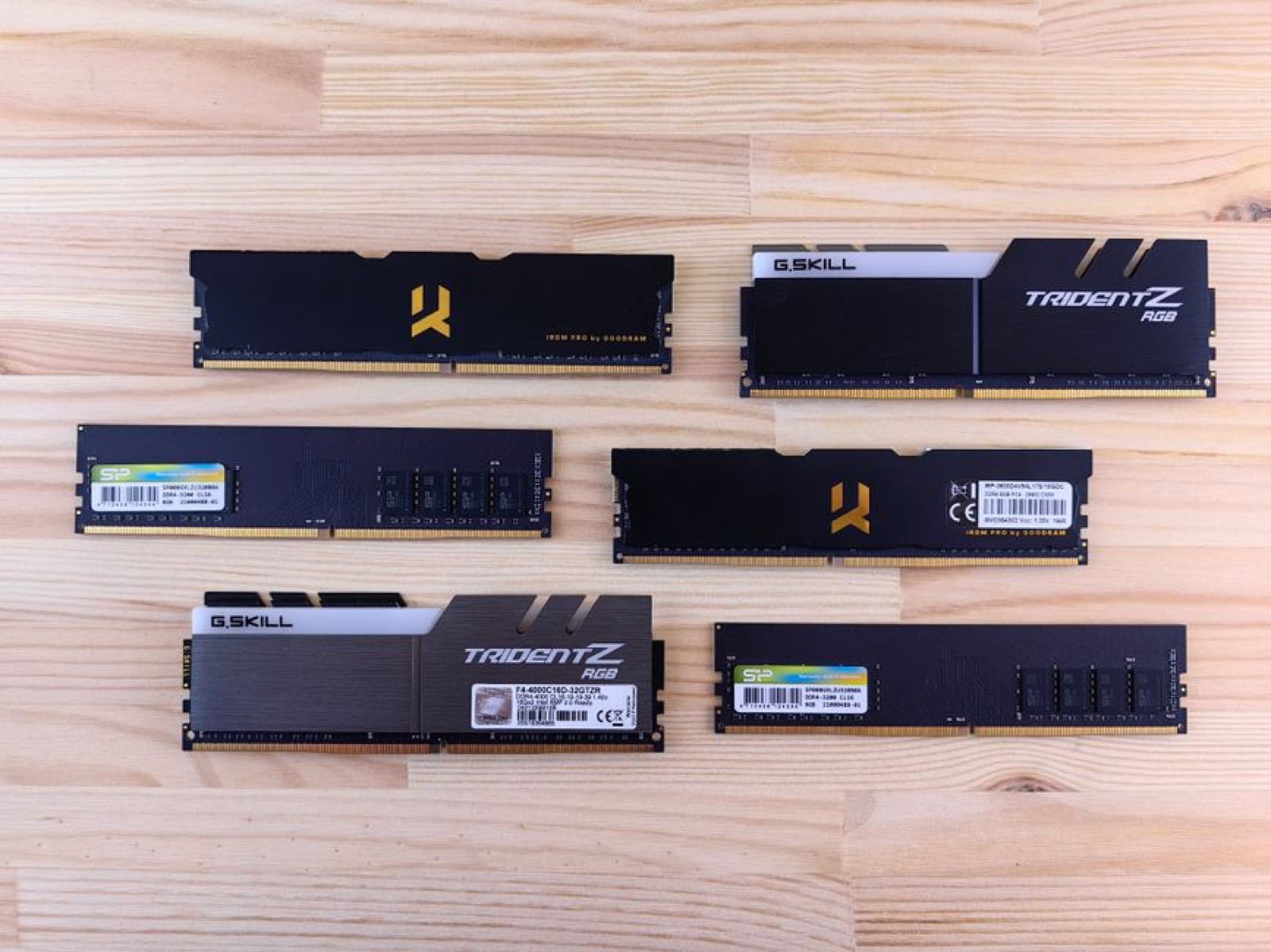
Meanwhile, DDR5 has finished its transition from early-adopter premium to the only option for new desktop platforms. It now ships standard with every current Intel and AMD desktop chip. 2026 also brought CUDIMM (Clocked Unbuffered DIMM) modules, which add an integrated clock driver to keep timing stable at speeds of 6400 MT/s and above — useful for enthusiast kits, though it adds cost and a touch of extra latency. DDR5 modules also include on-die ECC for the first time in consumer memory, which can detect and correct single-bit errors within each burst operation. It’s worth noting this isn’t the same as full system-level ECC, just an added layer of reliability baked into the chips themselves.
Key differences
The clearest difference right now is price. Live catalog data puts DDR4 at around $8.61 per GB versus $21.77 per GB for DDR5 — DDR4 remains over $13 cheaper per gigabyte, largely because leftover inventory from 2023–2024 is still working its way through the market. As of August 2026, a 32GB DDR4-3200 kit runs about $179, while a comparable 32GB DDR5-6000 kit costs around $404. On the performance side, DDR5’s advantages are no longer limited to bandwidth. By 2026, mainstream DDR5-6400 kits at CL32 deliver more bandwidth and comparable or better absolute latency than DDR4-3600 CL16, something that wasn’t true in DDR5’s early years.
| Factor | DDR4 | DDR5 |
|---|---|---|
| Price per GB | $8.61/GB | $21.77/GB |
| Typical 32GB kit cost | $179–$200 | $370–$404 |
| Speed range | 2133–4000 MT/s | 4800–8000+ MT/s |
| Bandwidth (typical) | ~39 GB/s (3200 MT/s) | ~69 GB/s (6000 MT/s) |
| Latency | Lower historically (CL16–18) | Now comparable (CL30–32) |
| Voltage | 1.2V | 1.1V |
| On-die ECC | No | Yes |
| Gaming FPS gain | Baseline | +2–5% GPU-bound, +5–15% CPU-bound (up to 25% in some titles per Tom’s Hardware testing) |
| Productivity gain | Baseline | +25–45% on bandwidth-heavy workloads |
| New platform support | Not supported on newest chips | Mandatory on current platforms |
| Production status | End-of-life, inventory only | Standard production |
Gaming results depend heavily on what you’re testing. In GPU-bound scenarios at 1440p or 4K, the gap between DDR4-3200 and DDR5-6000 is small, often just 2 to 5 percent. But Tom’s Hardware re-tested a platform in July 2026 across 15 games and found DDR4 configurations averaging 14 percent lower performance than DDR5 on the same processor, with drops up to 25 percent in some titles — a reminder that CPU-bound games and simulation-heavy titles like Microsoft Flight Simulator, Total War, and Cities: Skylines II are where DDR5 pulls ahead most clearly. For content creation, the gap is more consistent: file compression, photo processing, video editing, and 3D rendering all see meaningful gains from DDR5’s extra bandwidth, with productivity workloads showing 25 to 45 percent improvements in bandwidth-dependent tasks.
Who should upgrade, and who should not
If you’re building a new desktop around Intel’s LGA1851 platform or AMD’s AM5 socket, DDR5 isn’t really a choice — Intel’s current Core Ultra 200S chips and AMD’s current AM5 lineup don’t support DDR4 at all. For these builds, a 32GB (2×16GB) DDR5-6000 CL30 kit is the sweet spot most reviewers point to for gaming and general use, since AMD’s Infinity Fabric runs 1:1 with memory at that speed on Ryzen 9000 series chips.
If you’re already running an older platform — Intel LGA1700, Ryzen 5000, or earlier — there’s no pressing reason to switch. DDR4 remains a perfectly capable platform for existing builds, and with prices holding relatively steady while DDR5 keeps climbing, upgrading an older system to DDR5 usually means a full motherboard and CPU swap, not just a RAM purchase. Budget builders working within an existing DDR4 platform, or anyone assembling a secondary or legacy machine, can still buy DDR4 kits today without much downside, keeping in mind that supply will keep shrinking.
Supply chain pressure is pushing prices up everywhere
Part of why DDR5 kits feel expensive right now has little to do with DDR5 itself. Enterprise AI clusters are absorbing a growing share of global DRAM supply, and memory makers are shifting production capacity toward High-Bandwidth Memory for AI GPUs, which industry executives have warned could keep memory shortages going through 2028. That squeeze shows up for desktop buyers as higher prices and tighter availability on both DDR4 and DDR5, and it’s compounding DDR4’s natural decline as production winds down. We’ve already looked at why DDR5 pricing has climbed, and this broader AI-driven demand is the main reason relief isn’t likely soon.
The bottom line
For anyone building new, DDR5 is the only practical option — current platforms require it, and by 2026 it beats DDR4 on performance, not just bandwidth. For anyone with a working DDR4 system, there’s still no urgency to switch; it remains solid for its intended platforms, even as supply dwindles and prices stay elevated.
Sources: bullcreektech.com, trendforce.com, electronics.alibaba.com, rampricesusa.com, noobfeed.com, davescomputers.com
Where to buy
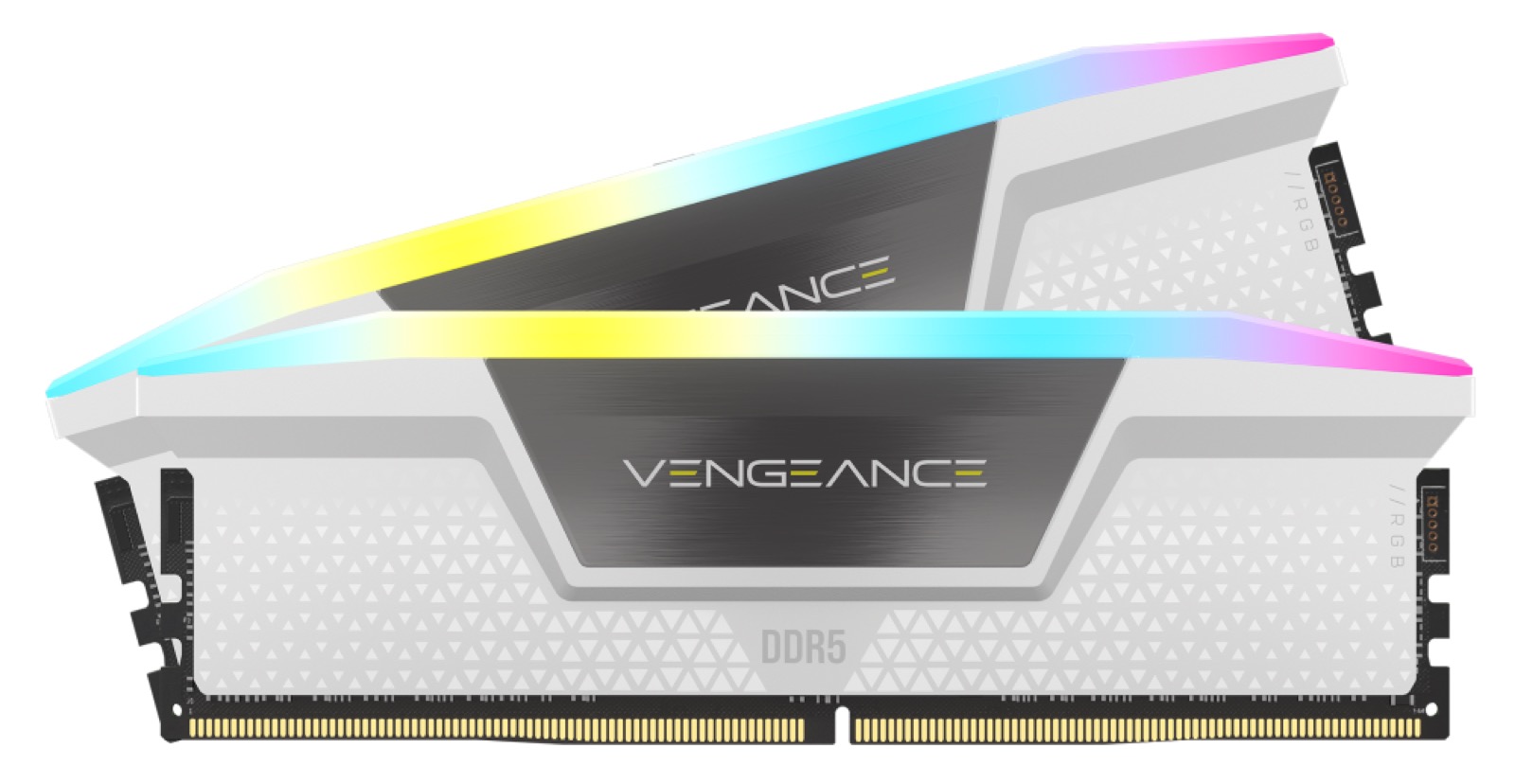
- Corsair Vengeance DDR5 32GB (2x16GB) 6000MHz Kit: check price on Amazon
- G.Skill Trident Z5 DDR5 32GB 6000MHz CL30: check price on Amazon
- Corsair Vengeance LPX DDR4 32GB 3200MHz Kit: check price on Amazon
- Crucial DDR5 16GB 5600MHz Kit: check price on Amazon
As an Amazon Associate I earn from qualifying purchases.