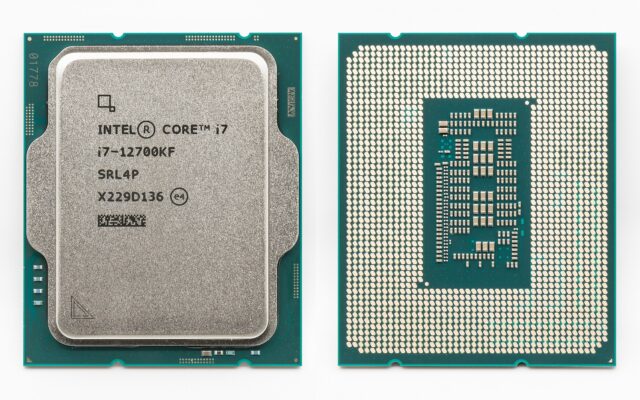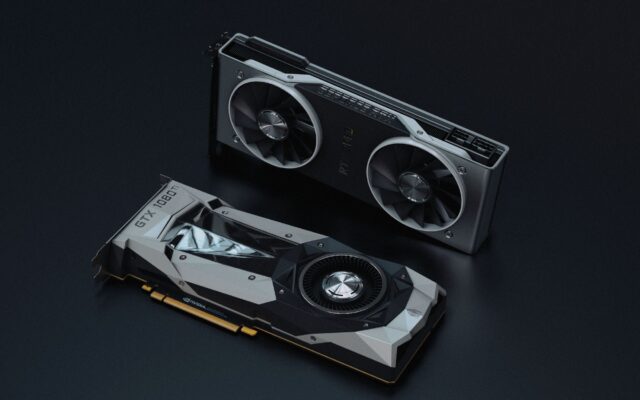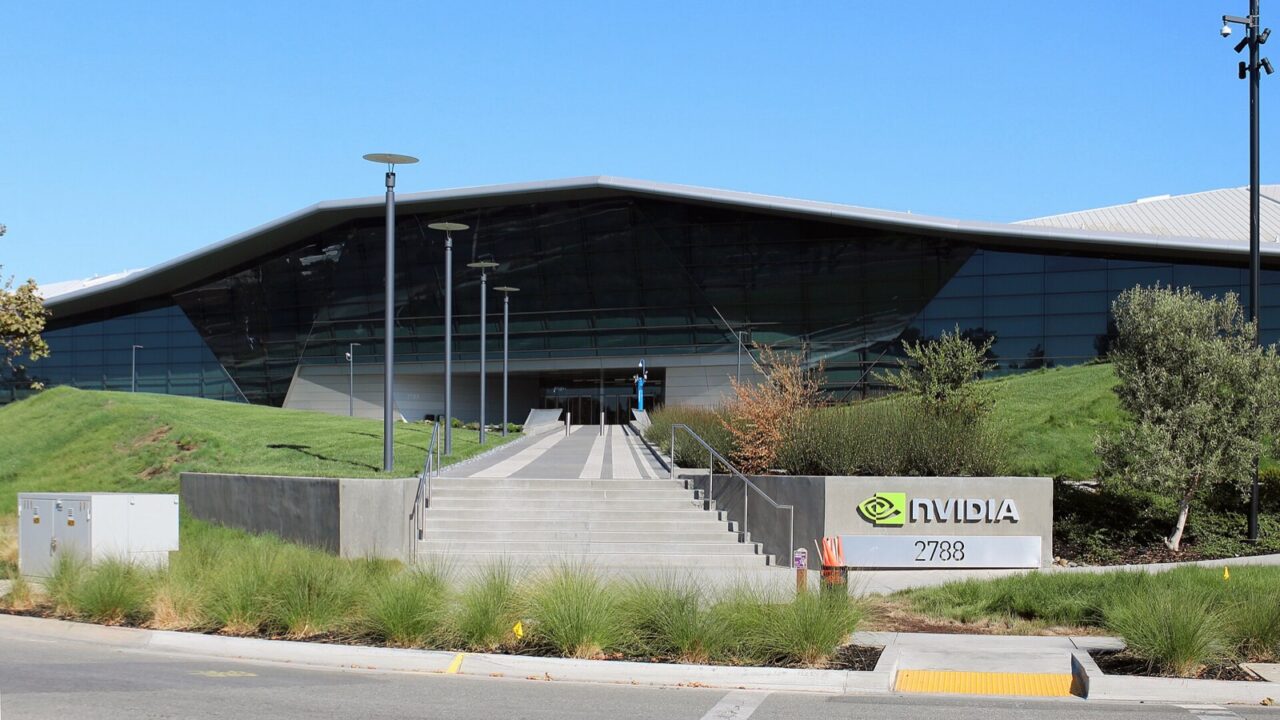
Today Nvidia is one of the most valuable companies on the planet, and its chips power everything from gaming PCs to the data centers behind ChatGPT. But it started with three engineers, a booth at a roadside diner and a first product that flopped. Here’s the history of Nvidia, from a Denny’s in San Jose to the center of the AI boom.
How it started: three engineers and a Denny’s booth
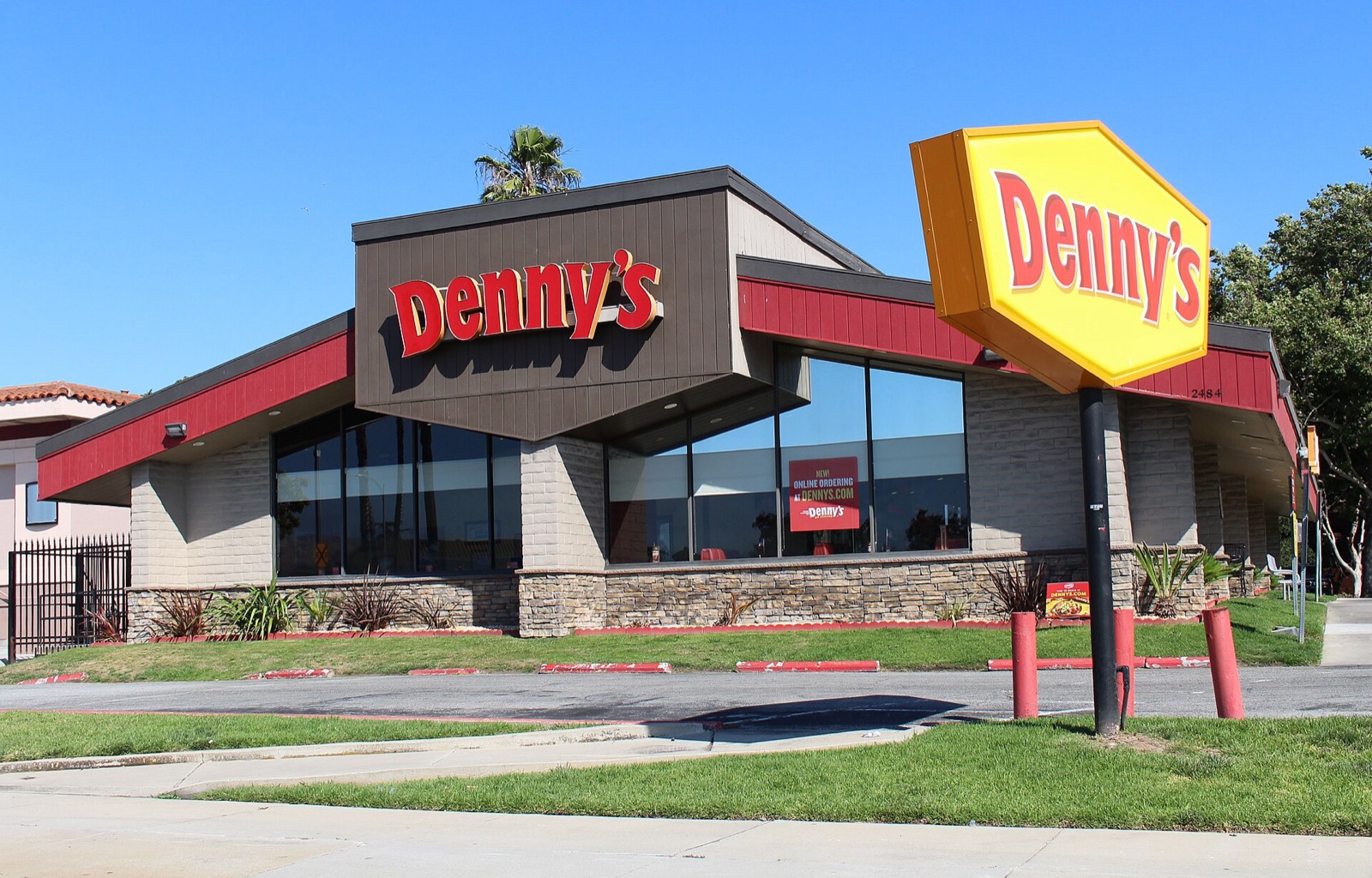
In late 1992, Jensen Huang, Chris Malachowsky and Curtis Priem met at a Denny’s on Berryessa Road in East San Jose to sketch out a company. Huang was a director at chipmaker LSI Logic; Malachowsky and Priem were engineers at Sun Microsystems. Their bet: personal computers would soon need dedicated chips for 3D graphics, especially for games.
Nvidia was officially founded on April 5, 1993. The three founders started out working from Priem’s townhouse in Fremont, California, and soon raised $20 million from venture firms including Sequoia Capital and Sutter Hill Ventures.
The first product: a flop called NV1
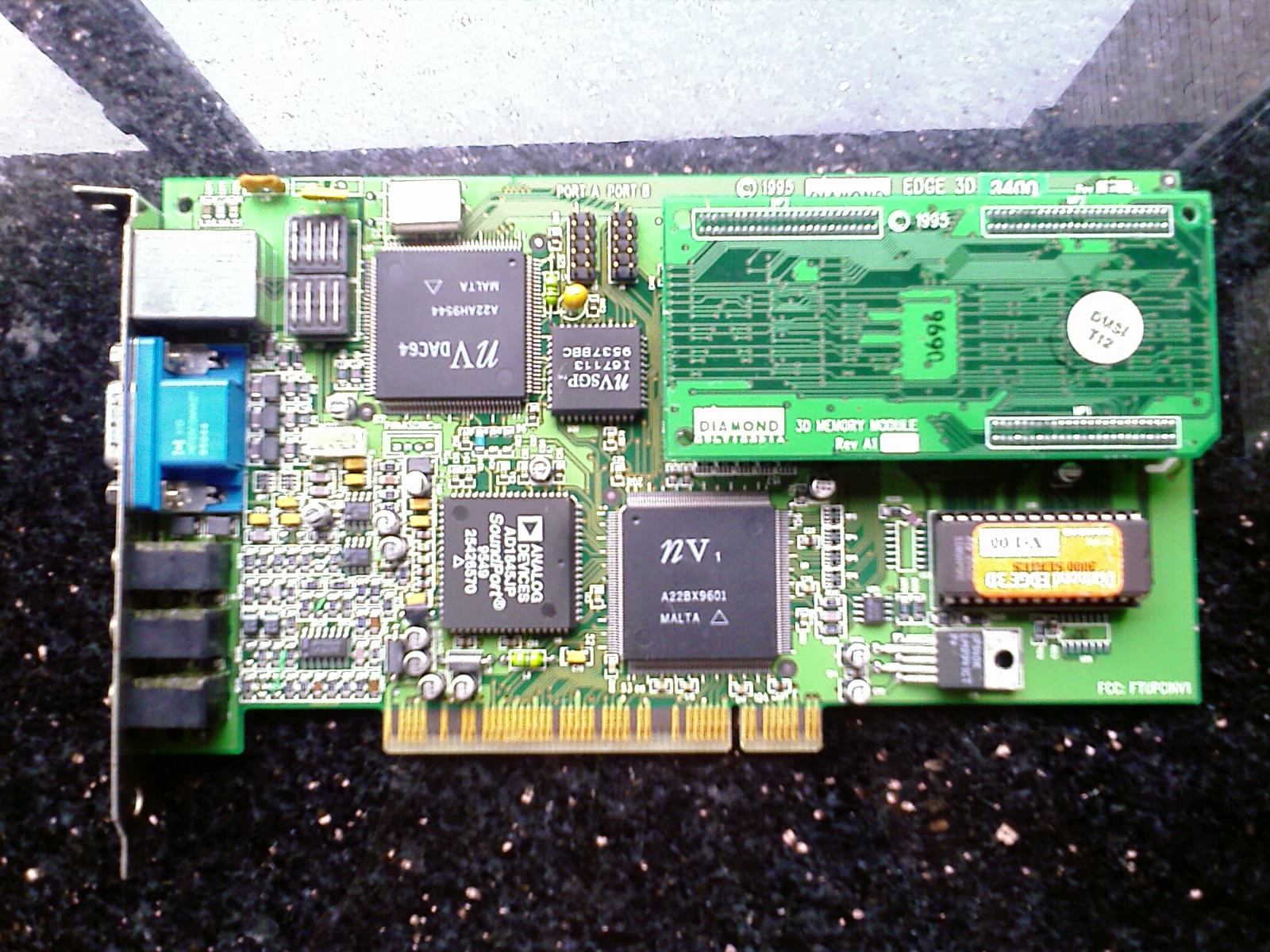
Nvidia’s first chip, the NV1, arrived in 1995 on cards like the Diamond Edge 3D. It tried to do everything at once (graphics, sound and even a port for Sega Saturn controllers) and drew 3D shapes with curved four-sided surfaces instead of the triangles the rest of the industry was moving to. When Microsoft’s DirectX standard went with triangles, the NV1 was left behind and sold poorly.
Sega had also hired Nvidia to work on the graphics chip for its next console, but chose another vendor. Even so, Sega’s president, Shoichiro Irimajiri, believed in the team and convinced Sega to invest $5 million in Nvidia, money that helped keep the company alive.
The comeback: RIVA 128
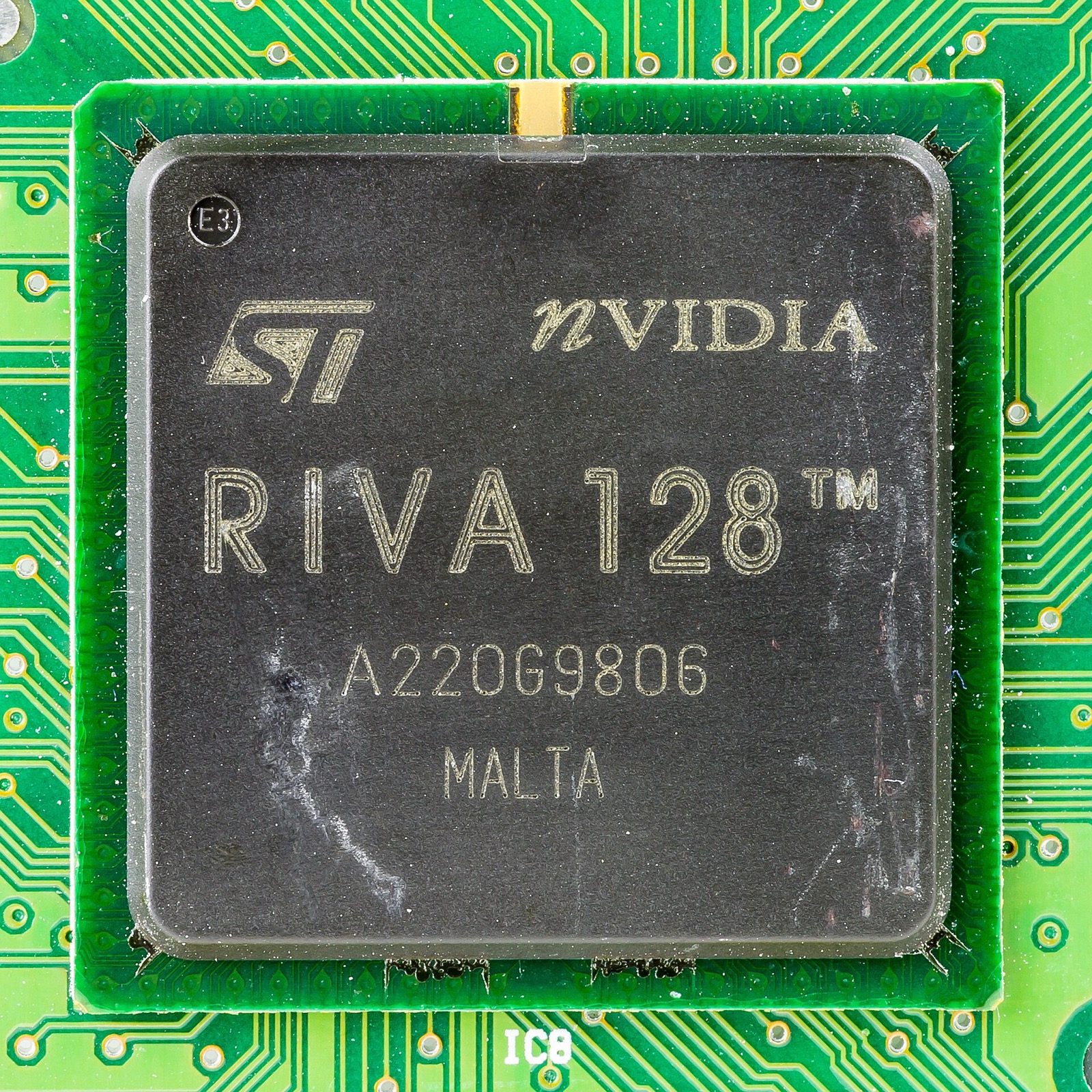
In 1996 Huang cut the staff from about 100 people to 40 and bet everything on a new chip built around triangles. The RIVA 128 launched in August 1997, when Nvidia reportedly had only enough cash left for about one month of payroll. It was a hit: Nvidia sold about a million of them in four months, and that money paid for the next generation of chips.
Key moments
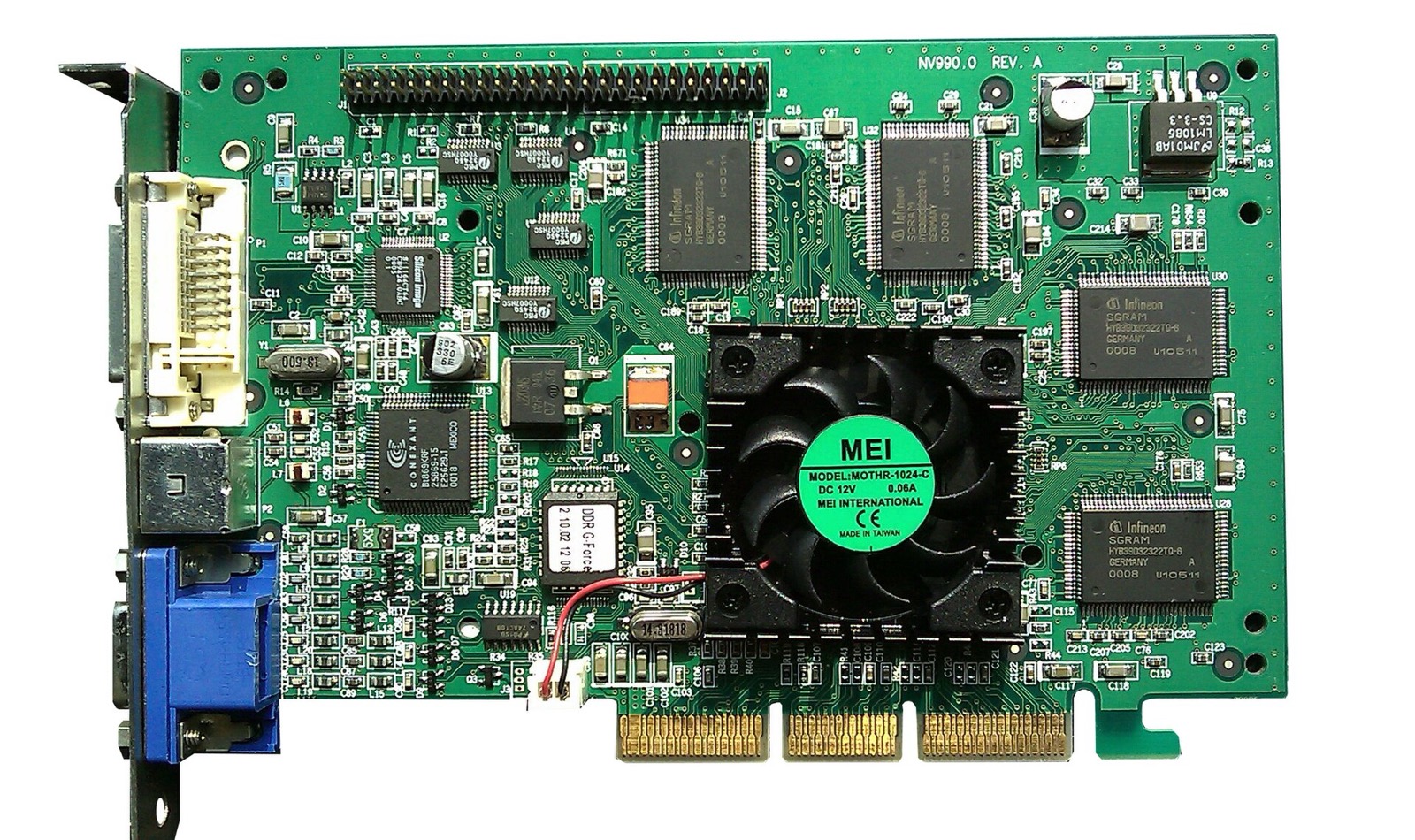
- 1999: Nvidia goes public on January 22 and later that year releases the GeForce 256, which it marketed as the world’s first GPU, a chip that handled 3D lighting and geometry work the main processor used to do.
- 2001: Nvidia designs the graphics chip for Microsoft’s original Xbox.
- 2006: CUDA lets programmers use GPUs for general computing, not just graphics, opening them up to science and research.
- 2012: AlexNet, an image-recognition neural network trained on two GeForce GTX 580 cards, wins a major competition and kicks off the modern AI era.
- 2018: GeForce RTX brings real-time ray tracing to gaming graphics cards.
- 2023-2025: AI demand sends Nvidia past a $1 trillion market value in 2023, and in 2025 it becomes the first company ever to pass $4 trillion and then $5 trillion.
Hits and misses
Hits: the RIVA 128 saved the company, the GeForce line made Nvidia the best-known name in PC gaming graphics, and CUDA turned out to be its smartest long-term bet. Researchers adopted it years before AI went mainstream, so when the AI boom arrived, the software and the chips were already there.
Misses: the NV1 nearly sank Nvidia before it got going. Its biggest deal also fell through: in September 2020 Nvidia agreed to buy chip designer Arm from SoftBank for $40 billion, but the two companies called it off in February 2022, citing significant regulatory challenges.
Where Nvidia is today
Jensen Huang has led Nvidia as CEO since day one, more than 30 years later. The company now earns most of its money from data center chips for AI, while still making the GeForce cards gamers know. It keeps making headlines on both fronts, from RTX Spark laptops built for local AI to graphics card prices pushed up by AI demand.
3 fun facts about Nvidia
- The name means envy. It comes from invidia, the Latin word for envy. Before that, Priem wanted to call it “GXNV,” as in the “next version” of the GX graphics chips he had worked on at Sun.
- The Denny’s booth has a plaque. In September 2023 Denny’s and Huang marked the corner booth on Berryessa Road as the birthplace of a $1 trillion company.
- “30 days from going out of business.” After the RIVA 128 near-miss, Huang kept repeating that phrase for years as an unofficial company motto, a reminder of how close Nvidia came to failing.
Sources: NVIDIA corporate timeline, NVIDIA Newsroom: Jensen Huang, NVIDIA Newsroom: Arm deal terminated, AlexNet paper (NeurIPS 2012), Wikipedia: Nvidia
Where to buy
- Nvidia GeForce RTX graphics cards: check price on Amazon
- The Nvidia Way (book): check price on Amazon
As an Amazon Associate I earn from qualifying purchases.