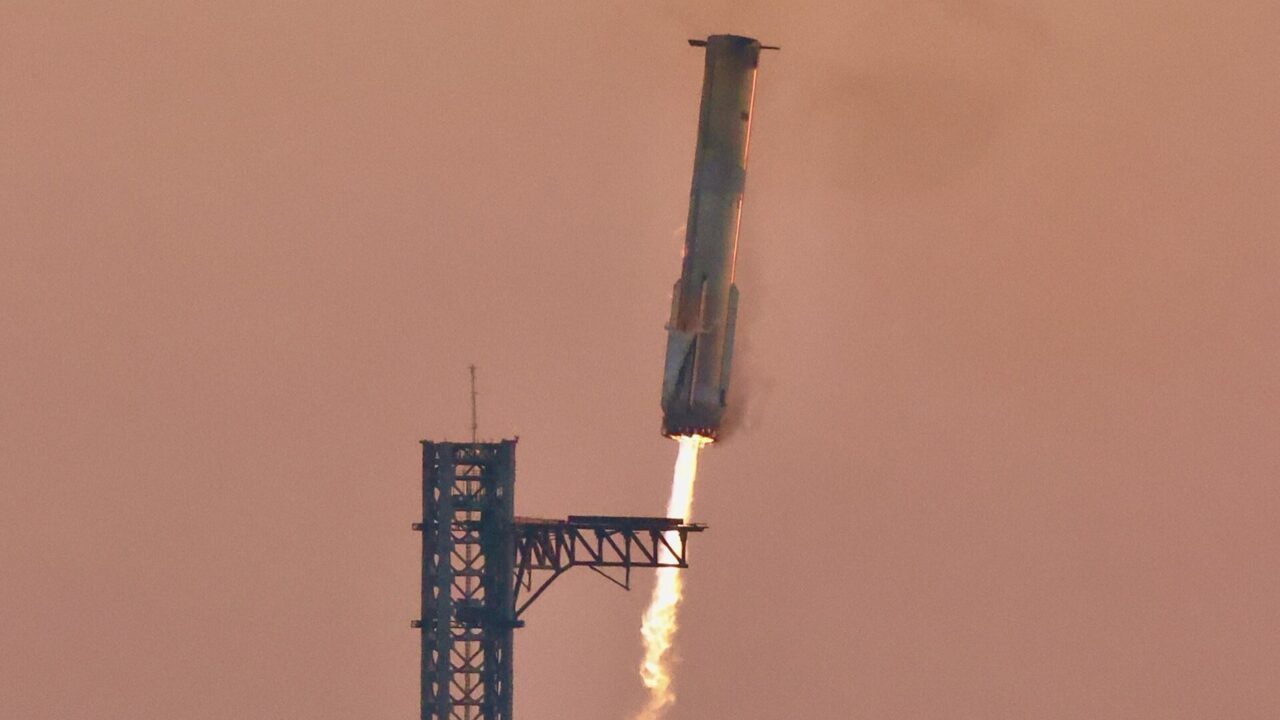
SpaceX has caught a Starship out of the sky for the first time. On Saturday, the Starship upper stage returned to Starbase, Texas, after almost a full day in orbit and slowed down between the arms of the launch tower it left from, which closed around it. SpaceX has caught its Super Heavy boosters this way before, but this was the first catch of the Ship itself, a major step toward a fully reusable rocket. The booster, though, didn’t make it back.
What happened on Flight 15
Starship lifted off on its 15th test flight on Friday, November 13, from Pad 2 at Starbase, powered by the Super Heavy booster’s 33 Raptor engines. According to SpaceX, here’s how the flight went:
- Orbit and satellites: after separating from the booster, Starship reached orbit and deployed 26 Starlink V3 satellites. SpaceX says it made contact with every one of them, and they’re raising their orbits to join the Starlink network.
- A day in space: Starship coasted around Earth while flight controllers monitored its systems for more than 20 hours.
- The return: a single Raptor engine fired to bring the ship out of orbit. Starship flew back to the Texas coast and approached the launch site 22.5 hours after it left.
- The catch: after breaking through the clouds, three Raptor engines ignited for a landing flip and slow descent, and the tower’s arms closed to catch Starship, around 4:20 PM ET, according to The Verge.
The booster didn’t make it
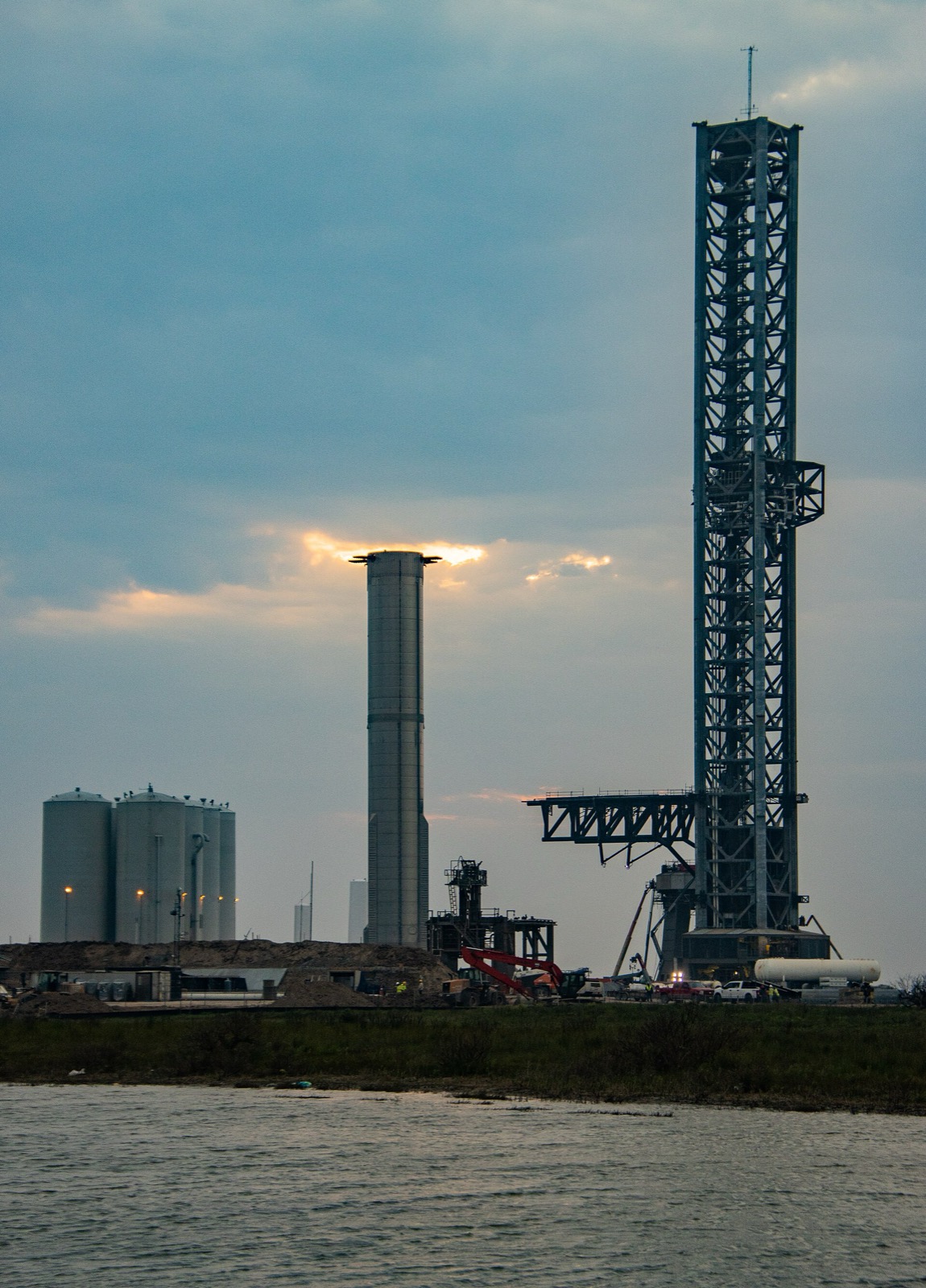
SpaceX had planned its first “double catch,” with the booster caught by the tower soon after launch and the ship caught a day later, according to Engadget. The booster relit 32 of its planned 33 engines for its boostback burn, but the burn ended early because of low fuel, and SpaceX says the root cause is under investigation. The booster’s flight computer then aborted the catch and diverted to an offshore landing spot over the Gulf of Mexico. After its landing burn, its flight termination system was triggered, and Engadget reports it exploded before hitting the water.
That’s a setback, but not a new problem to solve: SpaceX first caught a Super Heavy booster with the tower in October 2024 and has caught and reflown boosters since.
Why catching Starship matters
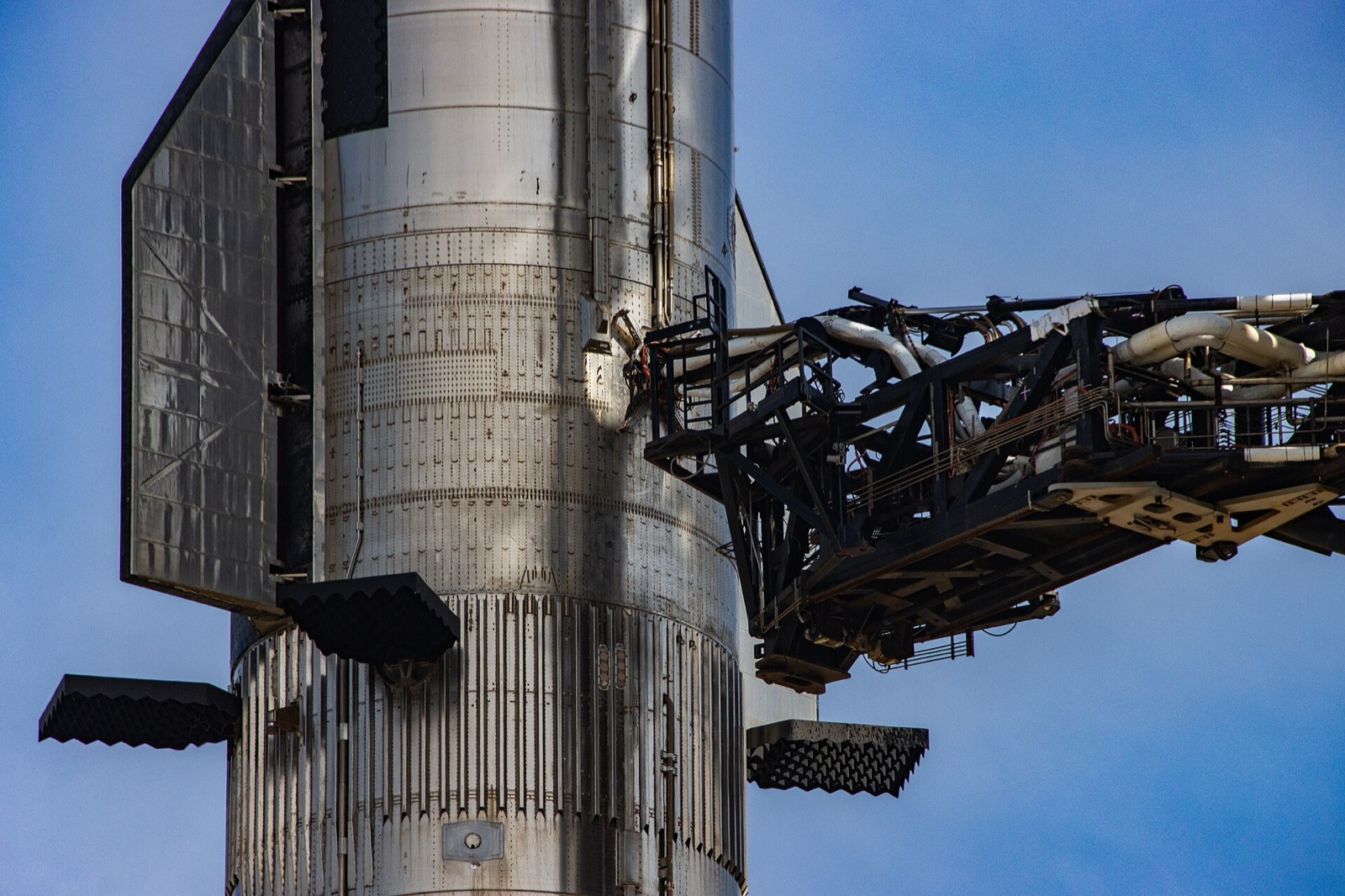
Catching both stages is the key to SpaceX’s plan for a rocket that can be refueled and flown again quickly, like an airplane, instead of being thrown away or fished out of the ocean. That could make launches much cheaper. Elon Musk said on SpaceX’s third-quarter earnings call that “success is not guaranteed on these first flights, but I’d say it’s more likely than not that this succeeds next flight,” and according to Engadget, SpaceX nailed the ship catch on its first attempt.
Starship matters beyond Starlink, too: NASA picked a version of it as the lander for its Artemis astronaut missions to the Moon, so every successful test is watched closely.
What’s next
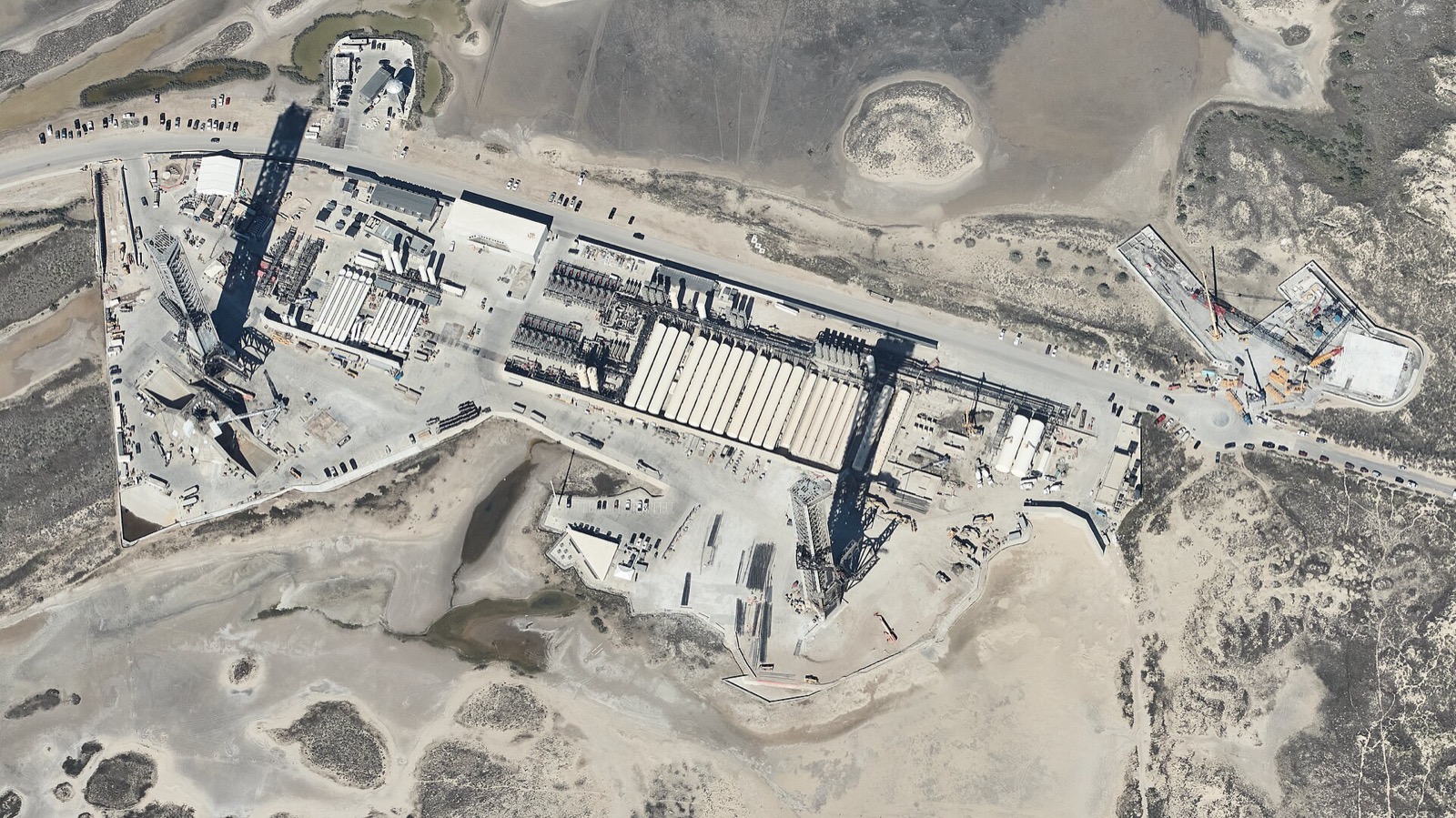
SpaceX still has to find out why the booster ran low on fuel and pull off the full double catch. Once both stages come home reliably, the next goals are reusing the same ship and flying it again. For more on Musk’s other companies, see our coverage of Tesla Cybercab orders for personal use.
Sources: SpaceX: Starship Flight 15, Engadget, The Verge