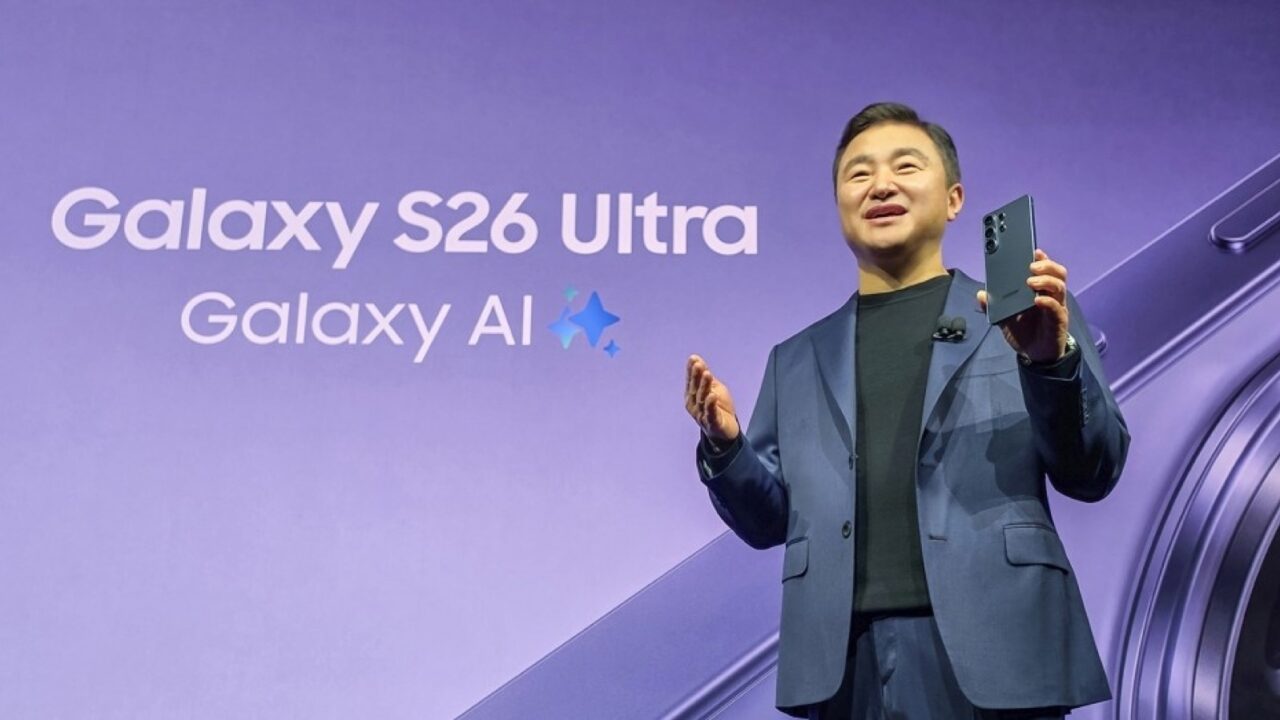
Samsung’s Galaxy S26 Ultra is now on shelves, and if you’re still carrying last year’s model, the obvious question is whether the upgrade is worth it. This Samsung Galaxy S26 Ultra vs Galaxy S25 Ultra comparison breaks down everything Samsung has confirmed officially, from the new Privacy Display to brighter camera apertures and faster charging, so you can decide if it’s time to switch.
What’s new on the Galaxy S26 Ultra
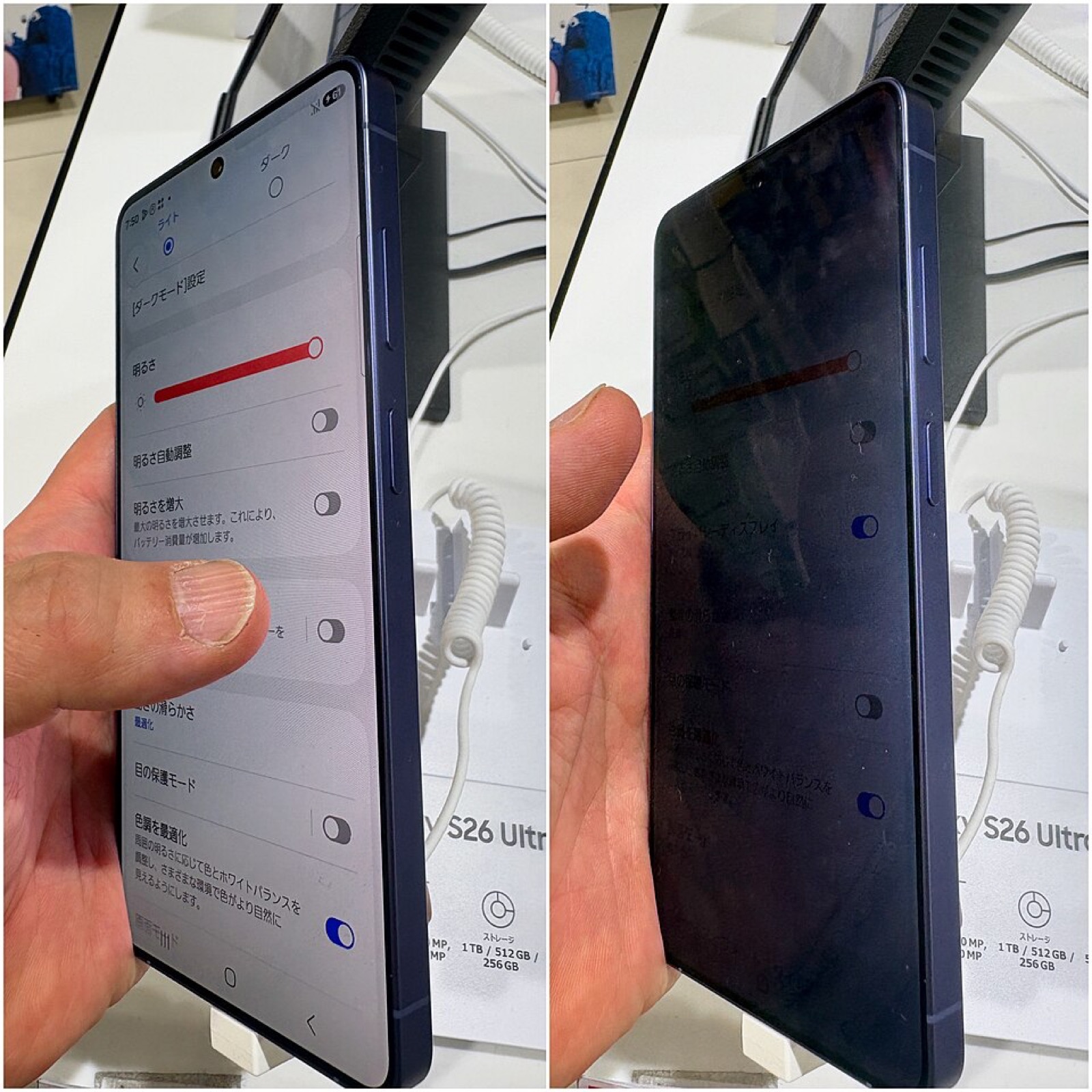
The headline feature is the Privacy Display, which Samsung calls the world’s first built-in privacy screen for a mobile phone. It works at the pixel level to control how light disperses, so the screen looks normal when viewed head-on but becomes hard to read from a side angle. That’s a genuinely new idea for a phone display, and one the S25 Ultra never had.
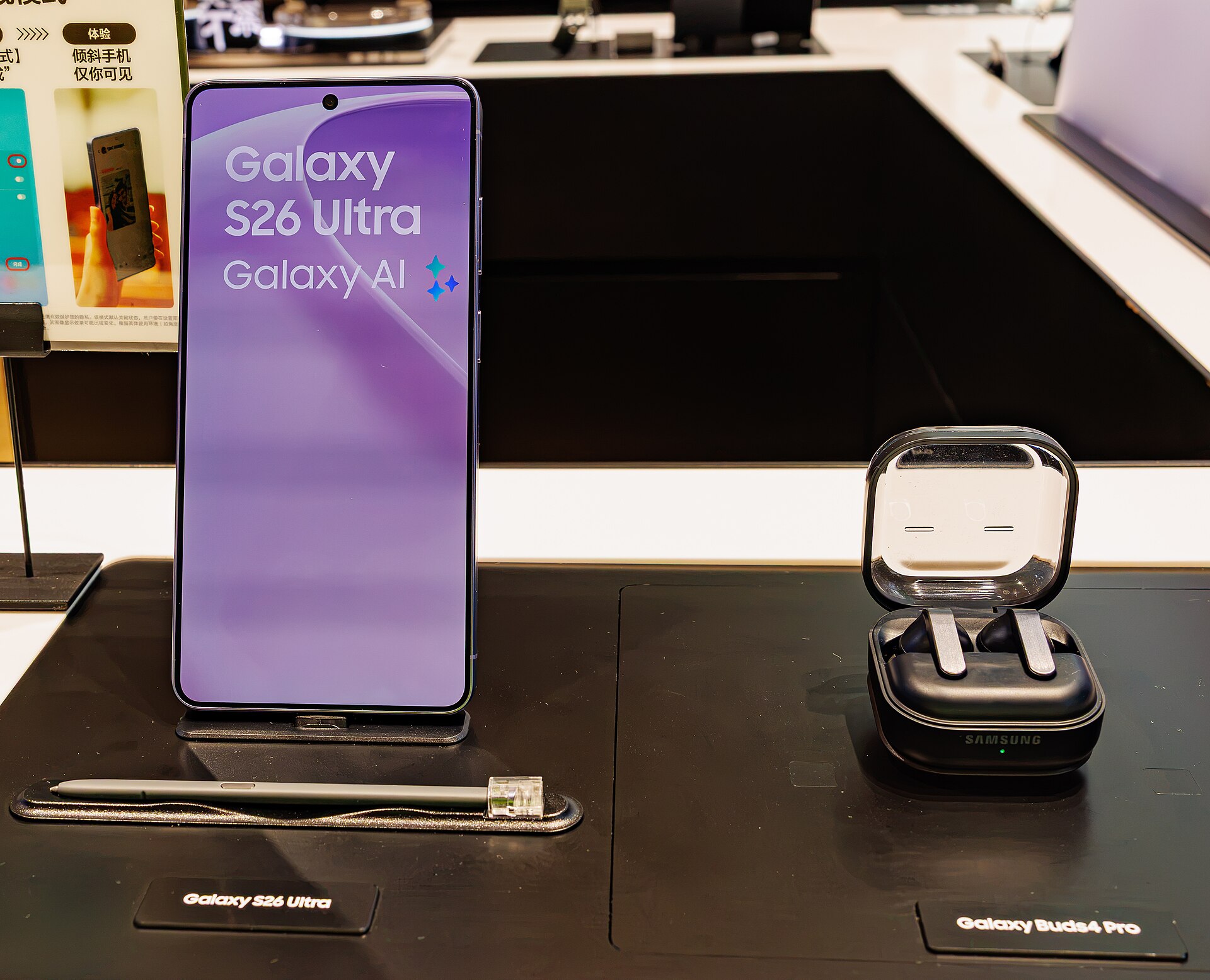
The camera system also gets real upgrades rather than just a megapixel bump. The 200MP main sensor now opens to ƒ1.4, a 47% brighter aperture than before, and the telephoto lens opens to ƒ2.9 for 37% improved brightness. Samsung paired this with a redesigned “Island Camera” layout that blends all the rear lenses into a single bar instead of the floating-lens look from last year.
Under the hood, the Snapdragon 8 Elite Gen 5 for Galaxy brings a claimed 19% CPU gain and a 39% NPU performance improvement over the previous generation — a meaningful jump for on-device AI tasks. For more on what an NPU actually does, see our NPU deep dive. Galaxy AI also expands this year with Photo Assist for prompt-based photo edits, Creative Studio for generating stickers and wallpapers, Now Nudge for proactive suggestions, improved multi-object Circle to Search, and Privacy Alerts that flag apps quietly accessing call logs or location data.
Key differences, spec by spec
The table below lists what Samsung has officially confirmed for both phones. Where the source material doesn’t give a figure for the S25 Ultra, it’s marked “Not confirmed” rather than guessed.
| Spec | Galaxy S26 Ultra | Galaxy S25 Ultra |
|---|---|---|
| Starting price | $1,299.99 | $1,299.99 |
| Display | 6.9″ AMOLED, 1–120Hz, Privacy Display, up to 2,600 nits | 6.9″ AMOLED, 120Hz, no Privacy Display |
| Processor | Snapdragon 8 Elite Gen 5 for Galaxy | Snapdragon 8 Elite Mobile Platform for Galaxy |
| Main camera | 200MP, ƒ1.4 | 200MP, ƒ1.7 |
| Telephoto camera | 5x: ƒ2.9 (37% brighter) | 5x: ƒ3.4 |
| Camera design | Island Camera (unified bar) | Floating lens design |
| RAM | 12GB or 16GB (LPDDR5X) | Not confirmed |
| Storage | 256GB / 512GB / 1TB | Not confirmed |
| Battery | 5,000mAh | Not confirmed |
| Wired charging | 60W | 45W |
| Wireless charging | 25W | 15W |
| Weight | 214g | 218g |
| Build | Gorilla Armor 2 front, Victus 2 back, Armor Aluminum 3 frame | Not confirmed |
| OS | Android 16, One UI 8.5 | Not confirmed |
Design and durability
Alongside the camera redesign, Samsung says the S26 Ultra’s corners are noticeably more rounded than its predecessor’s, which should make it a little more comfortable to hold despite the similar footprint. At 214 grams it’s about 4 grams lighter than the 218-gram S25 Ultra, so don’t expect a big difference in the hand. The phone keeps IP68 water resistance and uses Gorilla Armor 2 on the front, Gorilla Glass Victus 2 on the back, and an Armor Aluminum 3 frame. Samsung also redesigned the internal vapor chamber, moving the thermal interface material to the sides of the processor for better heat dissipation during sustained use.
Who should upgrade — and who shouldn’t
If you’re coming from an S25 Ultra or earlier, the case for upgrading is strongest if you care about low-light photography or video: the brighter main and telephoto apertures, combined with the improved Nightography video processing, should produce a visible difference in dim environments. Faster 60W wired and 25W wireless charging is also a tangible, everyday improvement over the 45W and 15W speeds on last year’s model.
On the other hand, if your S25 Ultra is less than a year old and you don’t shoot much video in low light, the upgrade is harder to justify at this starting price. The display size, refresh rate, and core design language haven’t changed dramatically, and the Privacy Display — while novel — is a nice-to-have rather than something that changes daily use for most people. Anyone focused purely on raw performance should also note that Samsung’s own figures describe generational gains (19% CPU, 39% NPU) rather than a dramatic leap.
The bottom line
The Galaxy S26 Ultra is a solid, iterative upgrade built around three real improvements: a brighter, more capable camera system, meaningfully faster charging, and a display that adds a genuine first-of-its-kind privacy feature. None of that amounts to a reason for every S25 Ultra owner to trade in immediately, but if you’re due for an upgrade anyway, or you shoot a lot of photos and video in low light, the S26 Ultra delivers clear, confirmed gains rather than marketing fluff.
Sources: Wikipedia, sammobile.com, androidheadlines.com, GSMArena, whathifi.com, myxprs.com
Where to buy
- Samsung Galaxy S26 Ultra: check price on Amazon
- Samsung Galaxy S25 Ultra: check price on Amazon
- Samsung Galaxy S26 Ultra case: check price on Amazon
As an Amazon Associate I earn from qualifying purchases.