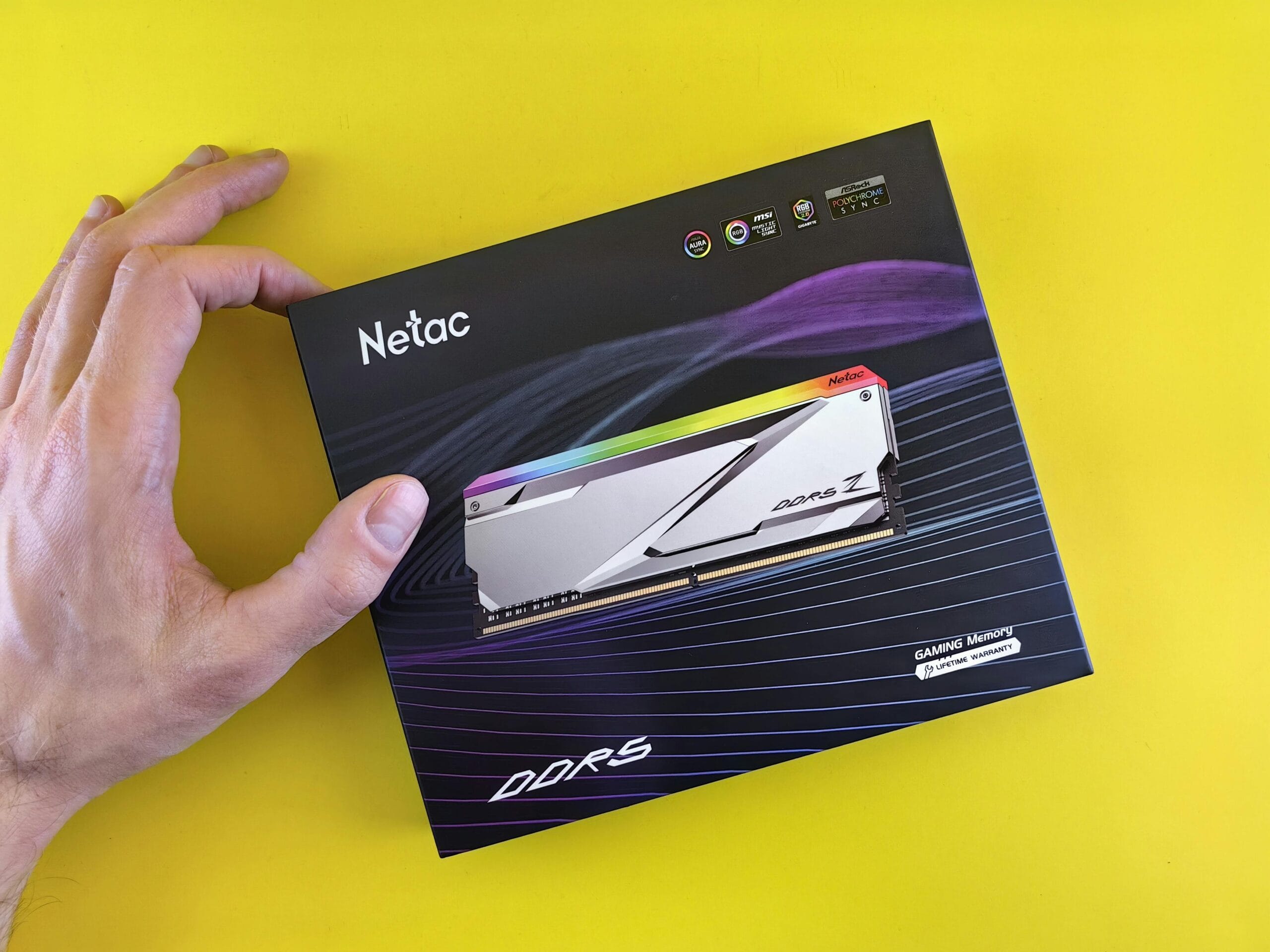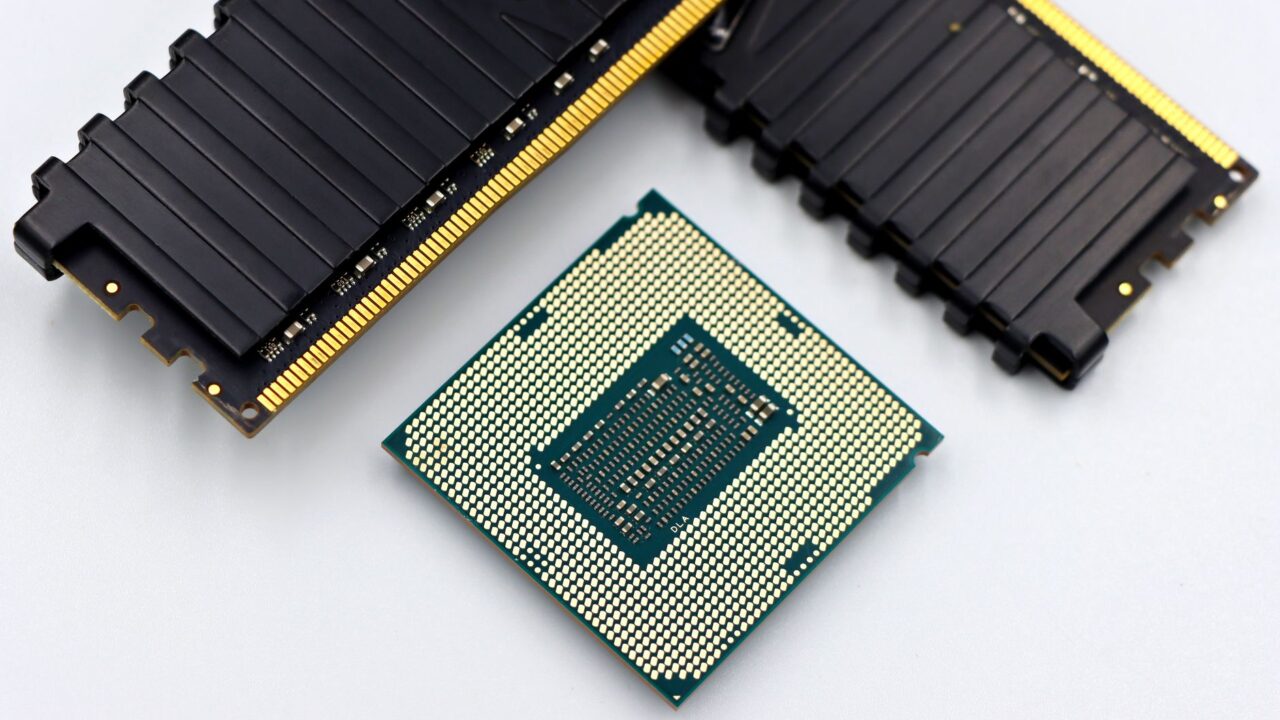
If you were hoping RAM prices would calm down soon, the people who actually make memory chips say otherwise. Micron CEO Sanjay Mehrotra told investors this week that demand for the company’s memory will keep outpacing supply for at least the next couple of years, and Samsung’s own numbers back him up. The takeaway for everyday buyers: the RAM shortage through 2028 isn’t a short-term blip, it’s shaping up to be a multi-year reality that touches everything from prebuilt desktops to smartphones.
What Micron and Samsung Actually Said
Mehrotra’s comments, reported from a Seeking Alpha transcript, focused on Micron’s business sales of high-bandwidth memory (HBM) for AI servers and standard DRAM for data centers. He said 75 percent of Micron’s 2027 output is already sold, and most current conversations with customers are now about 2028 supply. Prices for memory earmarked for 2027 are, in his words, “much higher” than 2026 prices. Samsung executive Kim Taewoo added a useful data point: HBM will eat up almost 30 percent of DRAM manufacturers’ wafer capacity in 2027, up from 20 percent this year, according to Reuters. That’s capacity that used to go toward consumer-grade memory.
Why AI Is Soaking Up the Supply
The root cause here is the same one behind most hardware headlines lately: AI infrastructure. Data centers training and running large language models need enormous amounts of fast memory, and chipmakers are prioritizing those orders because they’re bigger and more profitable than consumer sales. Mehrotra pointed to “larger models, growing context, more concurrency, greater agents across enterprise” as the forces keeping demand high, with no clear end in sight. New products like Google’s Gemini 4 Argon are exactly the kind of AI system that depends on this memory buildout, and that demand isn’t going away anytime soon.
Micron is building new clean rooms to expand manufacturing, but they won’t open until 2028, and even then, production ramps up slowly. Shifting HBM generations and diminishing gains from new manufacturing nodes mean that even fresh capacity won’t immediately translate into more memory on shelves.
What This Means If You’re Buying a PC or Phone
Micron’s Crucial brand stopped selling RAM to consumers this year, a change it announced in December 2025, a sign of where the company’s priorities lie. For everyday shoppers, the practical effects are already visible: prebuilt PCs cost more, OEMs are quietly shipping lower RAM configurations at higher prices, and the bump has spread to smartphones, streaming sticks, and game consoles too. If you’ve been tracking the rising cost of DDR5 memory, this is the underlying reason, and it’s not a temporary supply hiccup tied to one factory fire or shipping delay. It’s structural, driven by where manufacturers are choosing to point their production lines.
How Long Should You Expect This to Last
Based on these comments, 2026 through 2028 looks like a stretch where memory prices stay elevated and availability stays tight, especially for higher-capacity configurations. Anyone comparing DDR4 versus DDR5 options for a new build should factor in that waiting for prices to drop may not pay off the way it has in past memory cycles. If you need more RAM for a PC upgrade or a new system, buying sooner rather than later is a reasonable strategy, since Mehrotra himself admits Micron doesn’t know when supply will catch up with demand.
The Bottom Line
Memory executives aren’t promising relief anytime soon. AI’s appetite for HBM is reshaping how much consumer-grade DRAM gets made, and that’s pushing prices up across PCs, phones, and consoles. If you’re planning a hardware purchase that depends on memory pricing, treat the next couple of years as a seller’s market rather than waiting for a correction.
Source: Ars Technica
Where to buy
- Corsair Vengeance DDR5 RAM Kit: check price on Amazon
- G.Skill Trident Z5 DDR5 Memory Kit: check price on Amazon
As an Amazon Associate I earn from qualifying purchases.