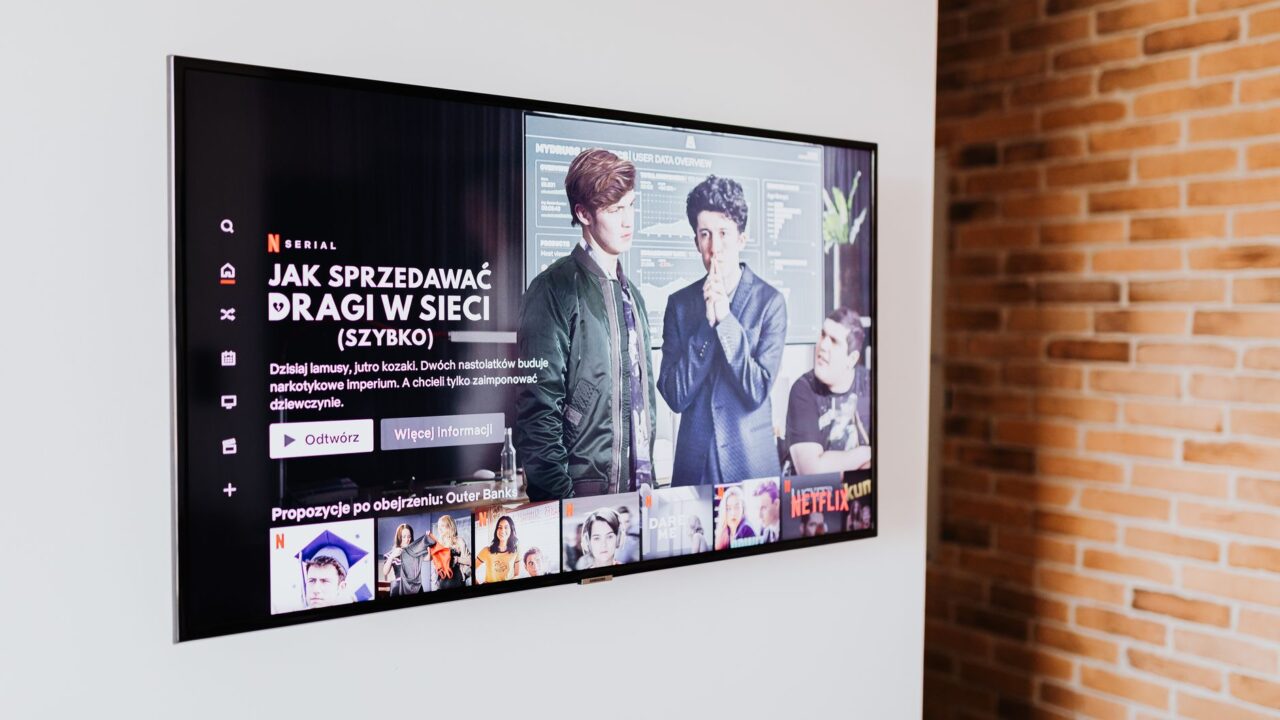
A security researcher who goes by log4j says they got tired of seeing suspiciously specific ads on their 2025 Samsung TV, so they rooted it and started poking around the Tizen operating system. What they found, according to a thread of posts on X, is a system that goes well beyond basic viewing analytics: processing of audio, screenshots of what’s on screen, and a cross-device ad identifier, all apparently feeding into targeted advertising.
What the researcher claims to have found
Log4j says the firmware itself was AES-encrypted, so getting a root shell took exploiting unpatched vulnerabilities rather than simply reading the code. Once inside, they describe finding a region-specific convolutional neural network, a small AI model, that tracks behavior like which videos are watched, which ads get skipped, and how far into a video a viewer gets before quitting. That kind of granular behavior tracking is one plausible explanation for the oddly specific ad targeting that first caught their attention.
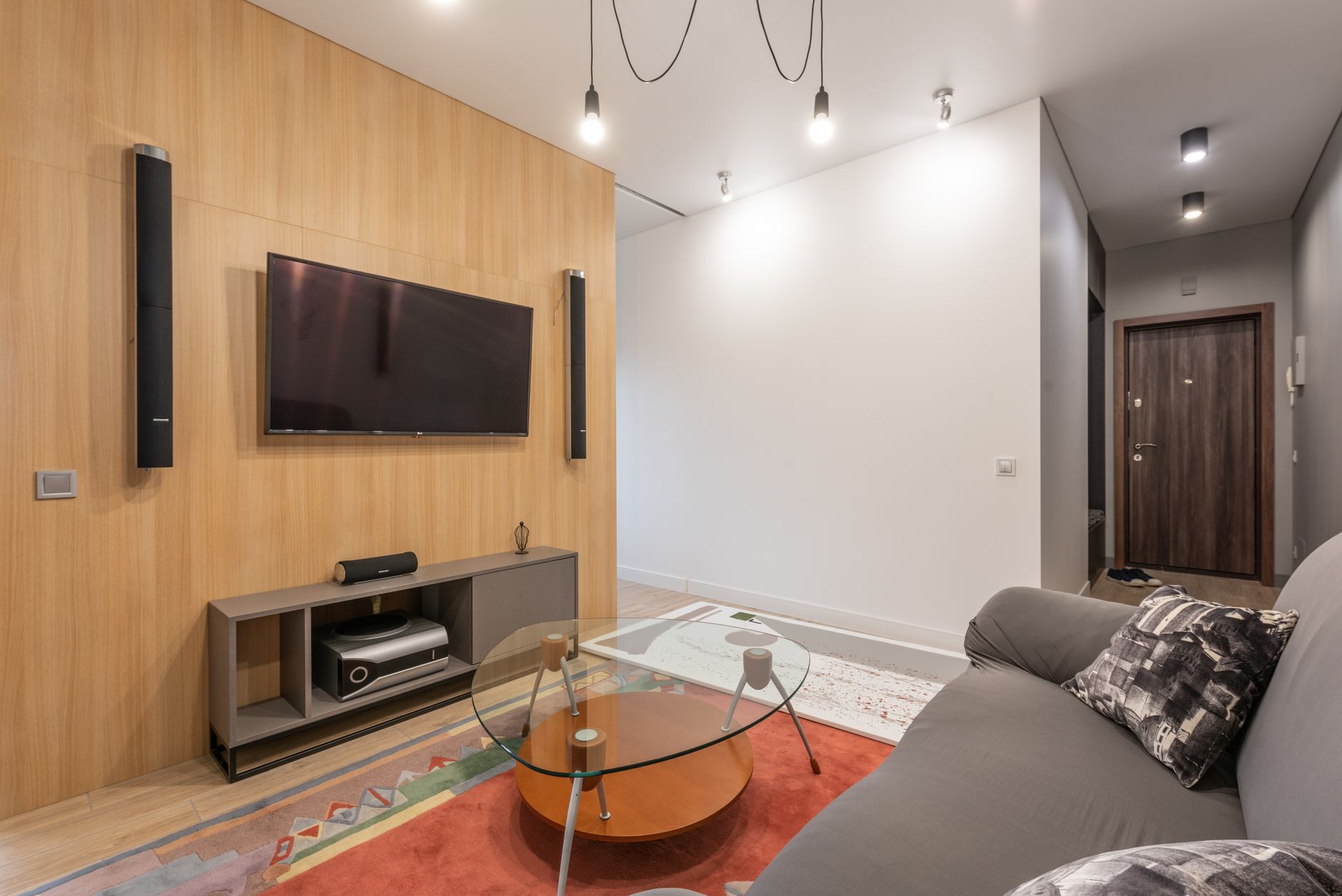
Perhaps the most eyebrow-raising claim involves TVs that don’t have a built-in microphone. Log4j says the software is designed to look for other microphones on the network, such as a connected soundbar or Bluetooth device, and can use those instead to capture audio. The researcher also theorizes that all this background processing, audio analysis, screenshot capture, computer vision and ad-ID matching, could explain why newer Samsung TVs often feel sluggish even without heavy apps running.
A second researcher tried to verify the microphone claim
Not everyone took the audio-capture claim at face value. Hugging Face engineer ngxson said they tested the microphone behavior on their own rooted Tizen TV using a Flipper Zero and observed the microphone open for exactly five seconds before shutting off, with no further activity detected over several hours of monitoring. Ngxson was careful to note that their TV was already rooted with several settings disabled, so a stock, unmodified set might behave differently. That caveat matters: none of this has been independently confirmed on an out-of-the-box Samsung TV, and Tom’s Hardware’s report doesn’t include a response from Samsung.

The researcher also got banned by OpenAI
In a detail that’s almost as notable as the TV findings themselves, log4j says they were banned from OpenAI’s tools for alleged cyber abuse while using them to help with the reverse-engineering work. Log4j pushed back on the ban, saying they used the tools only for local analysis and didn’t exploit anything with them, and suggested the suspension was likely triggered by an automated classifier rather than a human review.
This isn’t just a Samsung problem
Smart TV data collection for advertising isn’t new, and Samsung isn’t the only brand that’s faced scrutiny; LG has been accused of similar behavior in the past. What makes this case notable is the specificity of the claims: an onboard AI model, screenshot capture, and the idea of borrowing a connected device’s microphone when the TV itself lacks one. If accurate, it illustrates how far “smart” TV platforms have pushed into behavioral advertising, often buried in terms of service most owners never read. Log4j says a fuller technical write-up, including steps others could follow to check their own TVs, is still in the works.
What you can actually do about it
Until more details and any official response emerge, there are a few practical steps worth considering if this concerns you. Most smart TVs, Samsung’s included, have settings to disable “Viewing Information Services” or similar ad-personalization features, along with voice assistant permissions, in the privacy or terms menus. Muting or physically covering a TV’s built-in microphone, and being mindful of what other microphone-equipped devices share a network with it, limits exposure too. Some buyers choose to use the TV strictly as a dumb display connected to a separate streaming box, which keeps more of the smart-platform telemetry out of the picture entirely.
The bottom line
These findings come from one researcher’s independent reverse-engineering effort and haven’t been verified by Samsung or a broader security audit, so some caution is warranted. But the specifics, an AI model tracking viewing behavior, screenshot logging, and audio capture via connected devices, are concerning enough that owners of modern smart TVs may want to check their privacy settings and keep an eye out for log4j’s promised full write-up.
Source: Tom's Hardware
Where to buy

- Apple TV 4K (3rd generation): check price on Amazon
- Firewalla Purple Smart Firewall: check price on Amazon
As an Amazon Associate I earn from qualifying purchases.