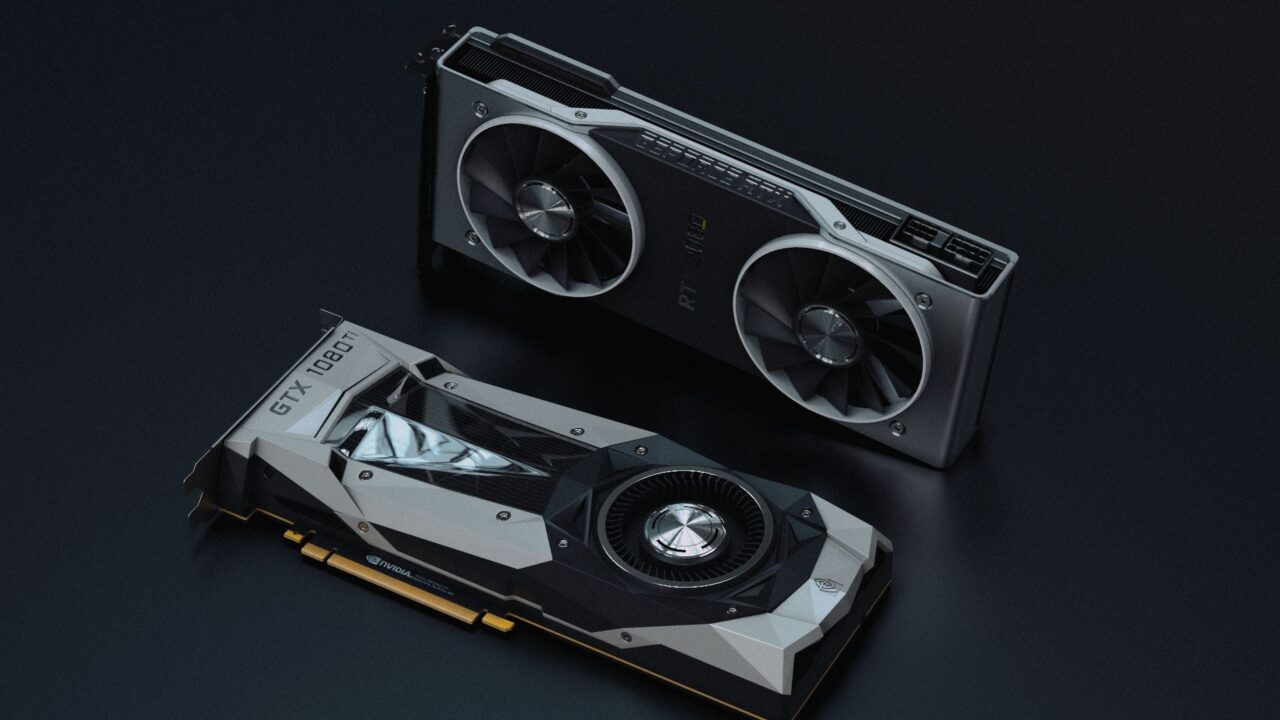
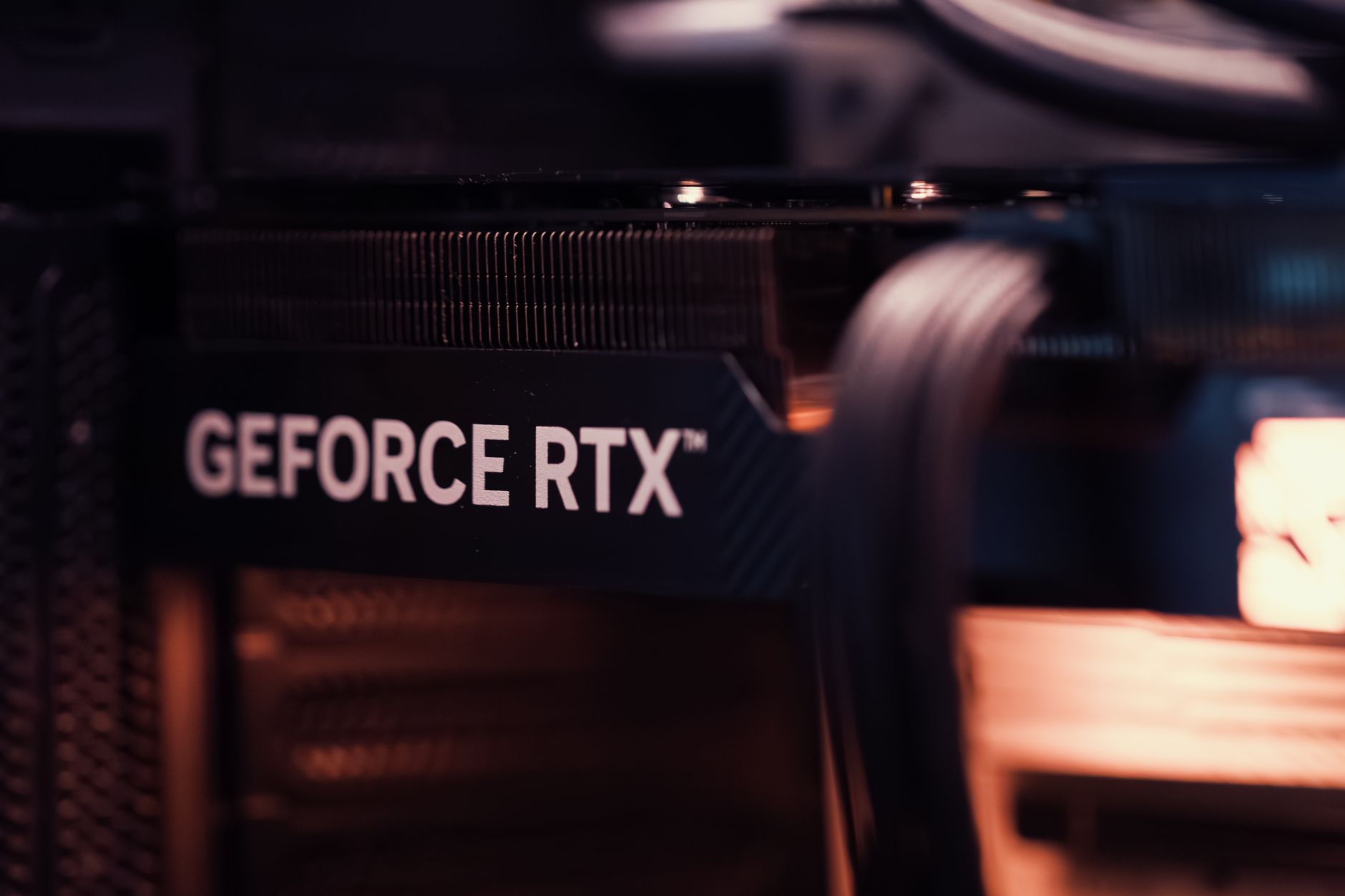
If you were hoping to grab an Nvidia GeForce RTX 5080 at anything close to its original price, the market has other plans. The RTX 5080 price has climbed to $2,000 and beyond at reputable retailers, meaning Nvidia’s second-fastest current-generation GPU now costs as much as the flagship RTX 5090 did on paper when it launched. Stock is thin almost everywhere, and what little is available often carries a serious markup.
How bad has it gotten?
According to Tom’s Hardware’s own price tracking, the cheapest in-stock RTX 5080 from a reputable seller was a PNY card listed at $1,999 through Best Buy — matching the RTX 5090’s $1,999 MSRP dollar for dollar. Other options go higher still: an Asus ROG Astral model was listed at $2,299.99 on Newegg, while a Gigabyte RTX 5080 from MemoryC reached $2,983.23. Local pickup at Best Buy and Micro Center offered slightly better odds, with one Micro Center listing at $1,979.99 depending on location, but delivery stock remains scarce almost everywhere.
Third-party marketplace listings add another wrinkle. A PNY RTX 5080 sold through a third-party Amazon seller was priced at $2,211.17, from a seller with an 81% positive rating over the past year. That’s workable, but it’s a reminder that buying outside official retail channels carries more risk, even when the listing isn’t obviously a scam.
This isn’t a one-off spike
RTX 5080 pricing has been drifting upward since launch, but this marks the first time its price floor has effectively matched the RTX 5090’s starting price. As recently as August, that same PNY card was selling for around $1,500 on average. The trend line has been consistently pointing up, not down, and there’s no indication in current reporting that a correction is imminent.
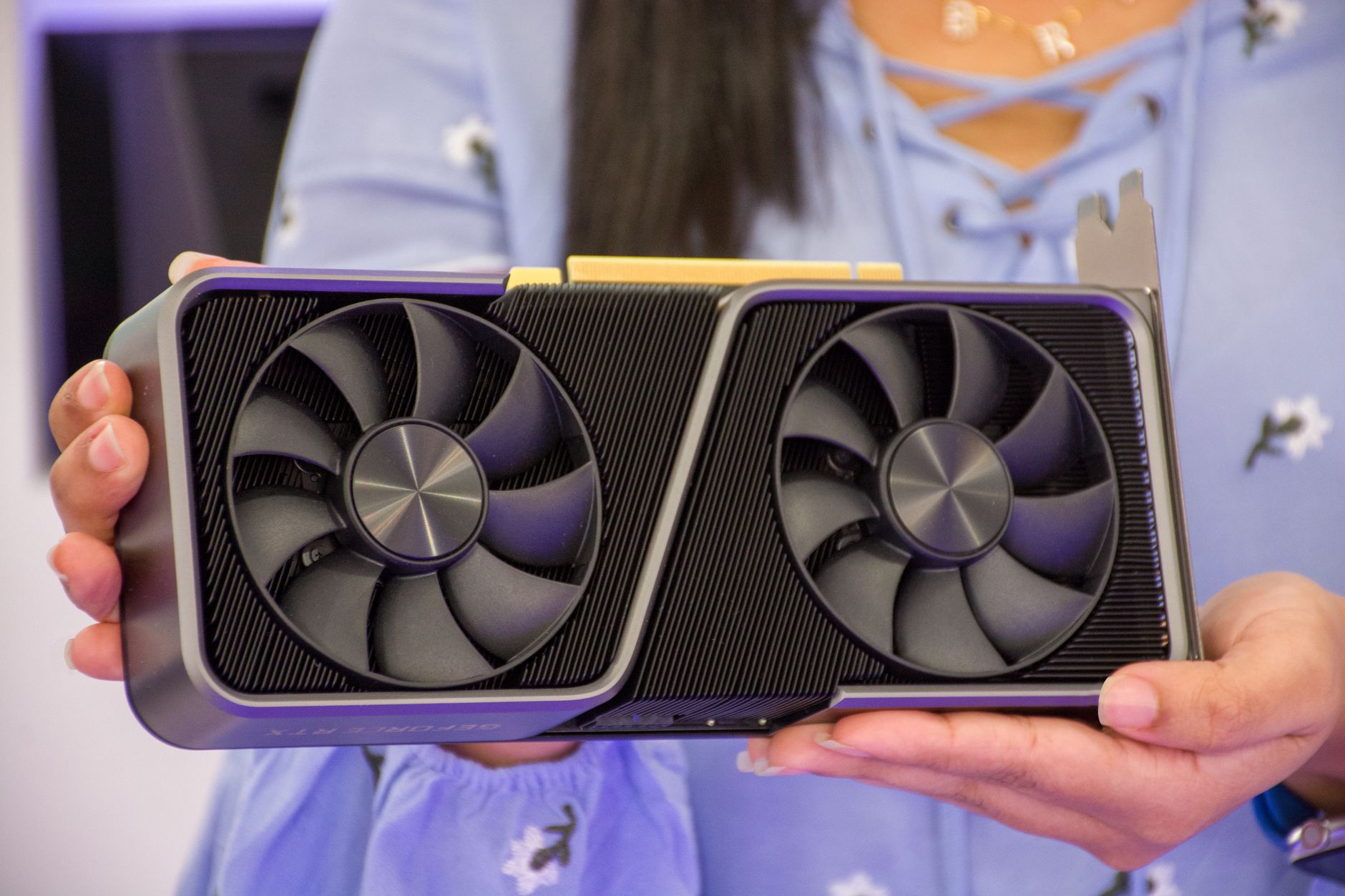
The RTX 5090 itself illustrates where this can lead if left unchecked. Its MSRP was $1,999, but prices for that card have reportedly reached as high as $12,000 for the remaining stock online, with last month’s peak already sitting around $9,500. If the RTX 5080 is now starting where the RTX 5090 began, buyers have reason to worry about how much further it could climb.
Why GPU prices keep climbing
The RTX 5080 is built on Nvidia’s GB203 GPU, with 10,752 CUDA cores and 16GB of GDDR7 VRAM — solid, known specs that haven’t changed since launch. What has changed is the environment it’s selling into. Demand for high-end gaming GPUs hasn’t dropped, but Nvidia’s manufacturing attention, along with that of memory makers, has increasingly shifted toward enterprise AI hardware. Production lines and DRAM allocations that would once have gone into consumer graphics cards are instead feeding demand for high-margin HBM memory used in AI data centers, a dynamic that has contributed to the broader RAM shortage squeezing the PC market.
What this means if you’re shopping for a GPU
For anyone hoping to build or upgrade a gaming PC right now, the RTX 5080 is a tough sell at these prices. Paying $2,000 or more for a GPU that launched at $999 is a hard pill to swallow. If you already own an RTX 5080, there’s little reason to upgrade. If you don’t, patience may be your best option, though there’s no guarantee prices will ease anytime soon given how tightly memory supply is tied to AI demand.
Shoppers considering third-party or marketplace listings should stick to sellers with strong, high-volume ratings and be wary of deals that seem unusually generous, since inflated demand tends to attract opportunistic and sometimes outright fraudulent listings.
The bottom line
The RTX 5080’s climb past $2,000 isn’t an isolated glitch — it’s part of a steady upward trend tied to limited stock and an AI-driven squeeze on GPU and memory production. Until supply loosens up, expect to pay a significant premium over the card’s original $999 MSRP, with little relief in sight for budget-conscious gamers.
Source: Tom's Hardware
Where to buy


As an Amazon Associate I earn from qualifying purchases.