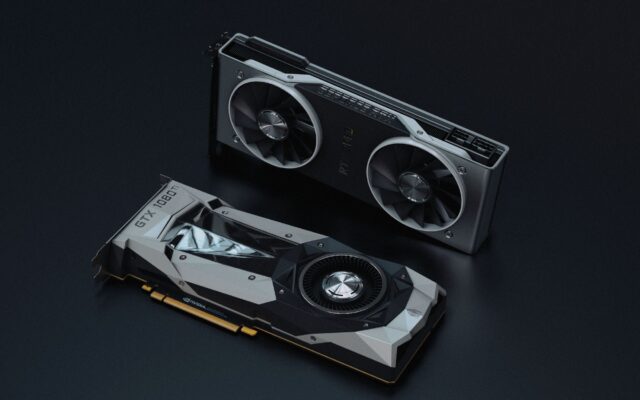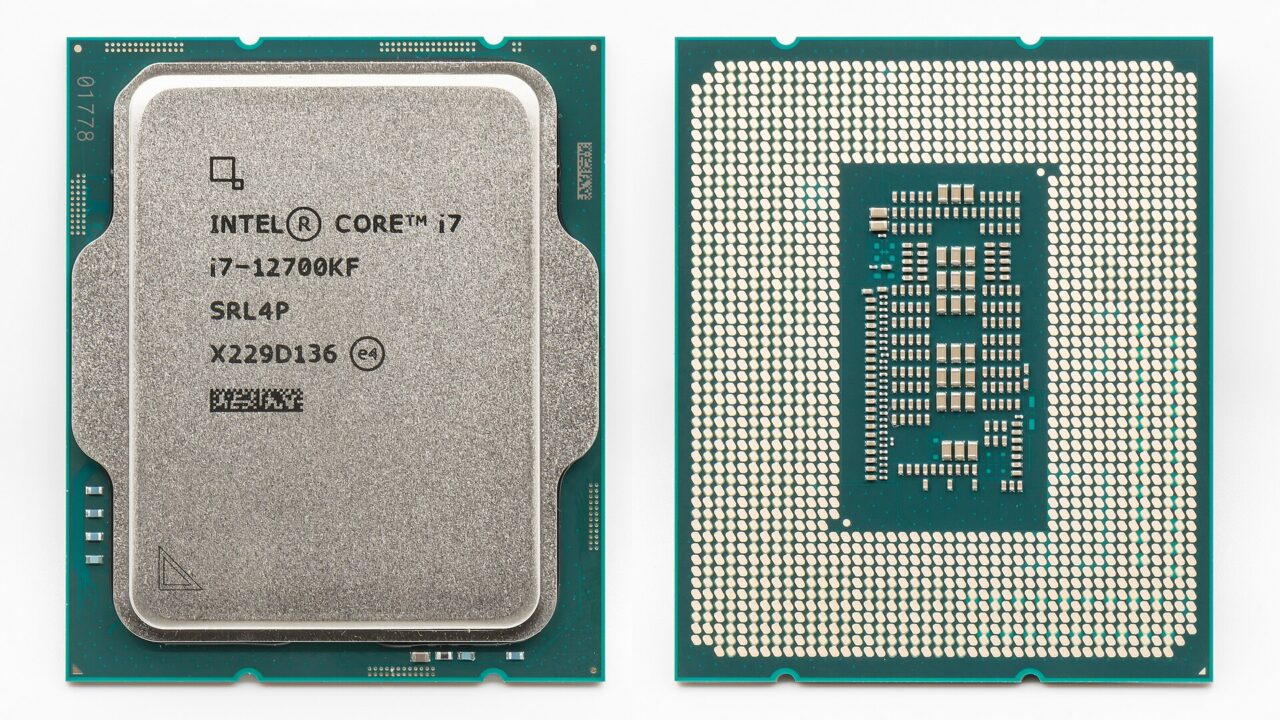
Intel is redirecting a meaningful slice of its factory capacity away from consumer PC chips to keep pace with soaring demand for data center processors, as the company grapples with what its CEO calls one of the most significant supply shortages in history. The move, outlined during Intel’s latest earnings call, shows just how far the AI boom has reshaped priorities inside the world’s biggest x86 chipmaker.
Why Intel is making the switch
Intel CEO Lip-Bu Tan told investors the company is navigating “one of the most significant supply shortages in history,” driven by what he called unprecedented demand for “Super Intelligence” computing. In practice, that means cloud providers and AI infrastructure operators want far more Xeon server CPUs than Intel can currently produce, even as the broader PC market keeps shrinking. Intel’s Data Center and AI business brought in $7.3 billion in the third quarter of 2026, up 17% sequentially and nearly 80% year-over-year, and the company expects that demand to stay strong through 2027 and 2028 as AI operators lean on CPUs for inference and “agentic” workloads alongside GPUs.
What’s changing inside Intel’s factories
To free up more capacity for Xeon chips, Intel is expanding its Fab 24 complex in Ireland, though that extra capacity won’t come online until the end of 2027 unless the timeline is accelerated. More immediately, Intel plans to convert some of its Oregon manufacturing resources from the newer Intel 18A process back to Intel 3, the node used for its “Granite Rapids” Xeon 6 server chips. Those Oregon resources were originally earmarked for Panther Lake client processors, but CFO Dave Zinsner said weaker PC demand has freed them up for “data center wafers” instead, with the added Intel 3 capacity expected to start production in the second half of 2027.

Intel is also racing ahead on leading-edge manufacturing in Arizona, ramping 18A production at Fab 52 and pulling forward equipment installation at the neighboring Fab 62, which will become its second high-volume 18A facility. Despite the server-first framing, Intel says it still expects to gain client market share with its upcoming Core Ultra 400-series “Nova Lake” chips, so some of that Arizona capacity should eventually support consumer parts too.
Packaging, substrates and the hidden bottleneck
Making more silicon wafers isn’t enough on its own. Intel’s multi-chiplet server chips rely on advanced packaging technologies like EMIB and Foveros, which in turn need specialized organic substrates that are themselves in short supply. Zinsner said Intel is “not only constrained on the wafer side” but also “constrained on the substrate side,” and the company is working with suppliers to add roughly 40% more substrate capacity by the second half of 2027. Intel is expanding packaging operations in New Mexico and Malaysia to handle both its own chips, including Granite Rapids and the newer Clearwater Forest Xeons, and work for outside customers.
What this means for PC buyers
For everyday shoppers, the practical takeaway is that Intel’s attention and spare capacity are tilting toward the data center, at least through the first half of 2027, which Intel itself flagged as a period of particularly tight supply. That’s happening alongside a broader contraction in the PC market, following a reported 20% drop in shipments industrywide, partly driven by rising memory prices. The squeeze on manufacturing capacity echoes separate warnings that the RAM shortage could stretch through 2028, as component makers across the industry chase the same limited fabrication and packaging resources. None of this guarantees higher prices or shortages for consumer CPUs specifically, but it does mean Intel has less incentive and, in the near term, less spare capacity to flood the market with client chips while server demand remains this strong.
Looking ahead
Intel says its 2026 capital spending will hit around $20 billion and increase significantly in 2027, with purchase orders to equipment suppliers up nearly 40% sequentially as it races to add capacity. The company is also weighing whether to speed up construction of its Ohio manufacturing complex. Even so, Intel’s own leadership cautioned that new equipment takes time to install and qualify, and wafers take months to move through production, so meaningful relief likely won’t arrive until the second half of 2027 at the earliest.
The bottom line
Intel’s pivot toward server CPU production is a direct response to AI infrastructure demand outpacing what its factories can currently deliver, not a sign that consumer chips are being abandoned. But with Oregon wafer capacity, Arizona fab space and substrate supply all being prioritized for data center products, PC enthusiasts waiting on next-generation Intel chips should expect the company’s near-term manufacturing muscle to flow toward Xeon processors first.
Source: Tom's Hardware
Where to buy


As an Amazon Associate I earn from qualifying purchases.