Apple has reportedly asked suppliers to scale back production of iPhone 18 Pro components, with new iPhone 18 Pro order cuts said to total at least 15 percent compared with Apple’s original October requests. The news, first reported by Nikkei Asia and relayed by MacRumors, points to a straightforward culprit: a $100 price increase that appears to have dampened demand for Apple’s flagship phones this fall.
What’s actually happening
According to the report, Apple has been more cautious about iPhone 18 Pro shipments since early September, and that caution has now shown up in supplier orders. The iPhone 18 Pro starts at $1,199 and the iPhone 18 Pro Max at $1,299, both $100 more than the models they replace. Apple has publicly attributed the increase to rising AI-driven memory chip costs, a factor that has also pushed up prices across MacBooks, iPads, and other iPhone models.

It’s worth being clear about what this report does and doesn’t say. It doesn’t claim the iPhone 18 Pro is a flop, and it doesn’t suggest Apple is abandoning the Pro line. It describes a roughly 15 percent trim to component orders for a single month. One supplier executive told Nikkei that October orders for both premium models were down 15% to 20%, and it is not yet clear whether Apple will make further adjustments from November onward. Apple shares fell more than 2.5% in early trading on Friday after the report.
Why the price hike matters more than usual
Price increases on iPhones aren’t new, but this one lands at an unusually sensitive moment. Memory chip costs have been climbing across the entire industry, a trend that has also contributed to a recent slump in PC shipments and to warnings that the broader RAM shortage could stretch well into 2028. When component costs rise industry-wide, manufacturers generally have two choices: absorb the cost or pass it to buyers. Apple chose the latter, and based on this report, some portion of its customer base chose to wait rather than pay more.
The RAM that didn’t make the cut
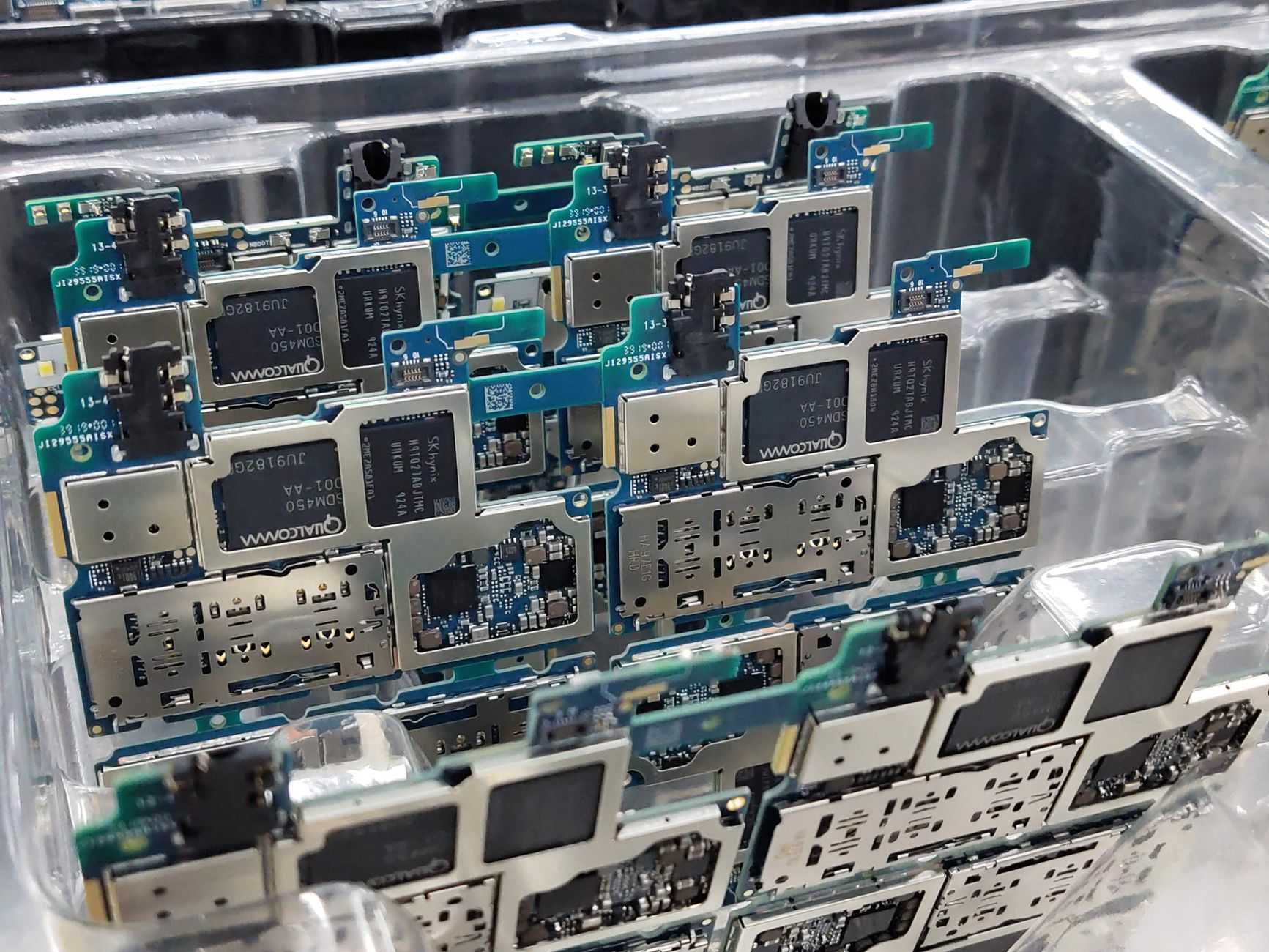
There’s a smaller but telling detail buried in the report. The iPhone 18 Pro and iPhone 18 Pro Max ship with 12GB of RAM, unchanged from last year’s iPhone 17 Pro models. A separate rumor had suggested Apple originally planned to bump the Pro lineup to 16GB of RAM, but reportedly backed away from that plan because of the added cost. If accurate, that’s a case where rising memory prices shaped the phone’s actual specifications, not just its sticker price, and it’s a useful reminder for anyone comparing this year’s Pro models against the iPhone 18 Pro and Pro Max side by side.
A launch schedule in flux
Nikkei’s report also floats another possible explanation for softer demand: Apple’s shift toward a split launch strategy. Rather than releasing its entire iPhone lineup at once, Apple is expected to hold back the standard iPhone 18, the cheaper iPhone 18e, and the ultra-thin iPhone Air 2 until spring 2027. Some buyers may simply be waiting to see what else is coming before committing to a Pro model at a higher price. Suppliers told Nikkei, though, that the split launch alone doesn’t account for the lower demand.
What this means for buyers
If you’re shopping right now, the order cut itself isn’t a reason to worry about availability or hold out for a discount. What it does suggest is that the $100 increase has made some buyers more price-sensitive than usual, which is worth keeping in mind if you were already on the fence about upgrading.
The bottom line
Apple’s reported iPhone 18 Pro order cuts look like a measured response to softer demand following a price increase, not a sign of deeper trouble with the phone itself. The bigger story is the one playing out across the industry: rising memory costs are pushing up prices and, in at least one case, trimming specifications, while buyers increasingly have the option to wait for cheaper or newer models rather than pay a premium today.
Source: MacRumors
Where to buy
- Apple iPhone 18 Pro: check price on Amazon
- Apple iPhone 18 Pro Max: check price on Amazon
- Apple iPhone 17 Pro: check price on Amazon
As an Amazon Associate I earn from qualifying purchases.