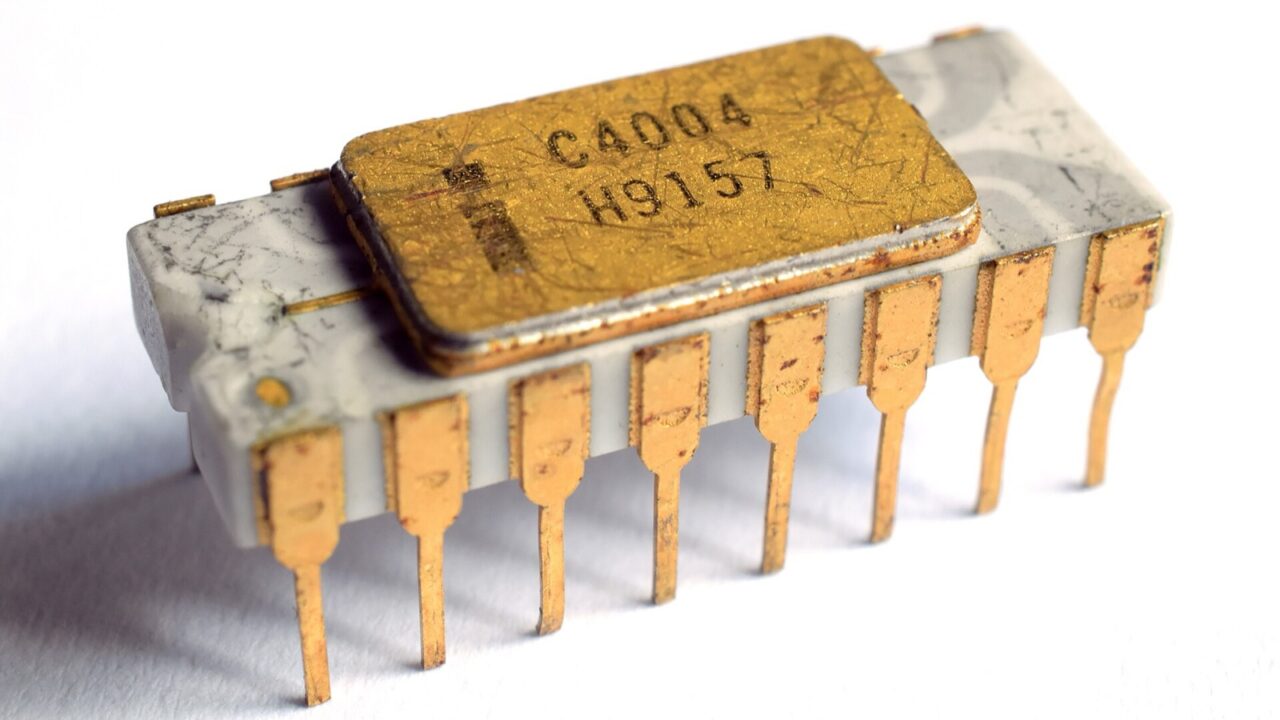
On November 15, 1971, Intel released the 4004, a 4-bit chip with 2,300 transistors that sold for $60. It was the first microprocessor sold as a standalone component, and it put the brain of a computer on a single piece of silicon. Fifty-five years later, the descendants of that chip run every phone, laptop and game console you own. Here’s the history of the microprocessor, from a Japanese calculator contract to the chips in your pocket.
How it started: a calculator with too many chips
In April 1969, the Japanese calculator company Busicom asked Intel to build a set of twelve custom chips for a new printing calculator, the Busicom 141-PF. Intel was less than two years old and saw itself as a memory chip company, but it took the contract anyway.
Intel engineer Ted Hoff decided Busicom’s design was too complicated to work well. At the time, chips had their logic built into their physical layout, so every new product meant designing new chips. Hoff and Stan Mazor proposed something different: a set of just four chips, one of them a general-purpose processor that software could program to act like a calculator, or like almost anything else.
Federico Faggin took over leadership of the design, working with Busicom engineer Masatoshi Shima. Faggin used his experience with silicon-gate chip manufacturing to squeeze the processor into a low-cost 16-pin package, and the team finished the four-chip set by early 1971.
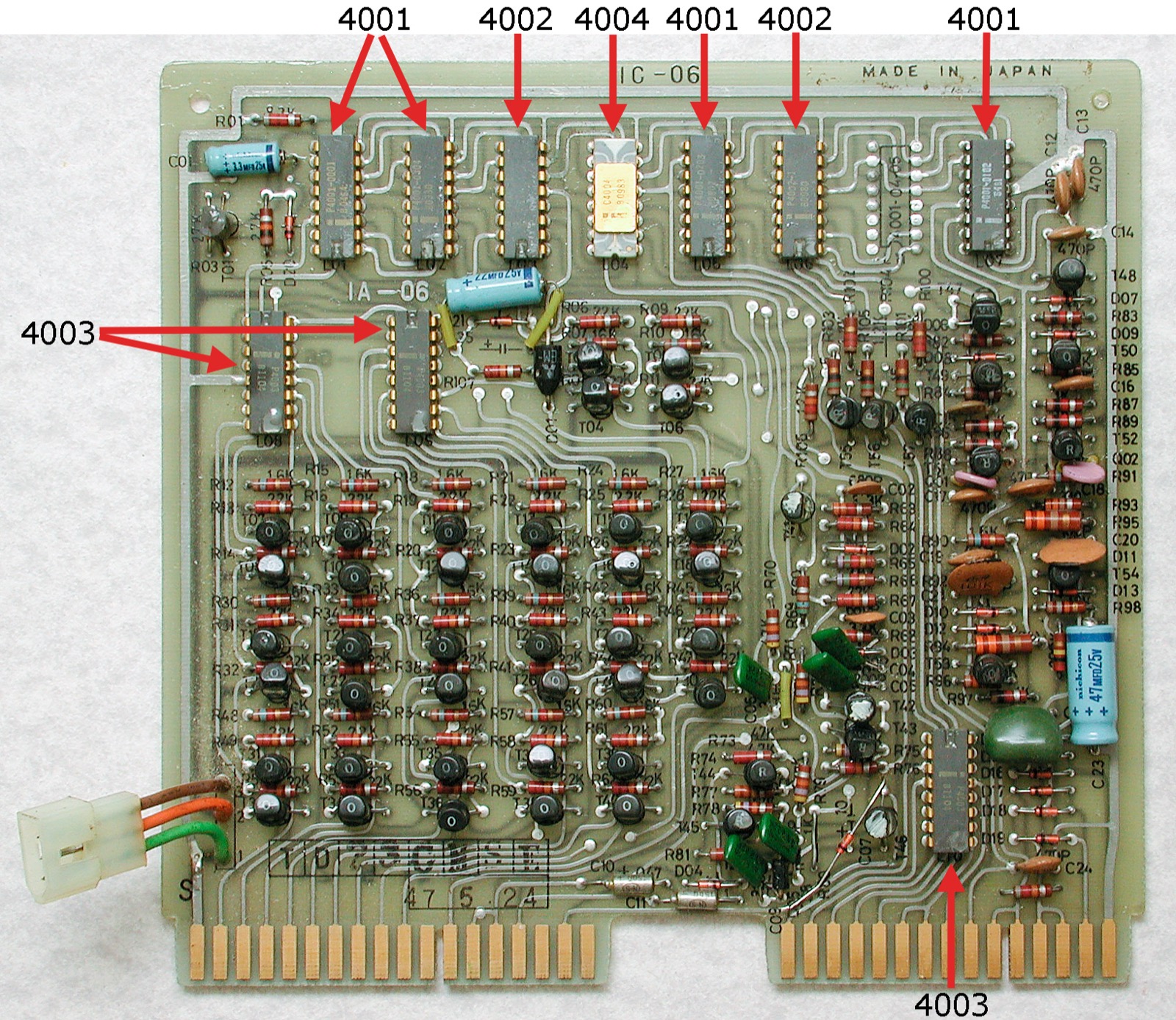
The first product: the Intel 4004
The 4004 was part of a family called the MCS-4: the 4001 (ROM), the 4002 (RAM), the 4003 (shift register) and the 4004 processor itself. It ran at up to about 740 kHz, was built on a 10-micrometer process and could execute roughly 92,000 instructions per second.
There was one problem: Busicom owned the exclusive rights. The desktop calculator market collapsed while the chip was being developed, and Busicom wanted a lower price. In May 1971, at the urging of the design team, Intel CEO Robert Noyce bought back the rights to use the chip in everything except calculators, in exchange for returning Busicom’s $60,000 development investment. That decision let Intel sell the 4004 to anyone.
Was it really the first? Other engineers were working on the same idea. The Computer History Museum notes that Four-Phase Systems built an 8-bit CPU slice, the AL-1, in 1969, and that Garrett AiResearch designed the MP944 chip set for the F-14 fighter’s air data computer in 1970. But the 4004 was the first microprocessor sold commercially as a component, and that is what made it a milestone.
Key moments
- 1972: Intel announces the 8008, its first 8-bit processor, originally designed for the terminal maker CTC (later Datapoint).
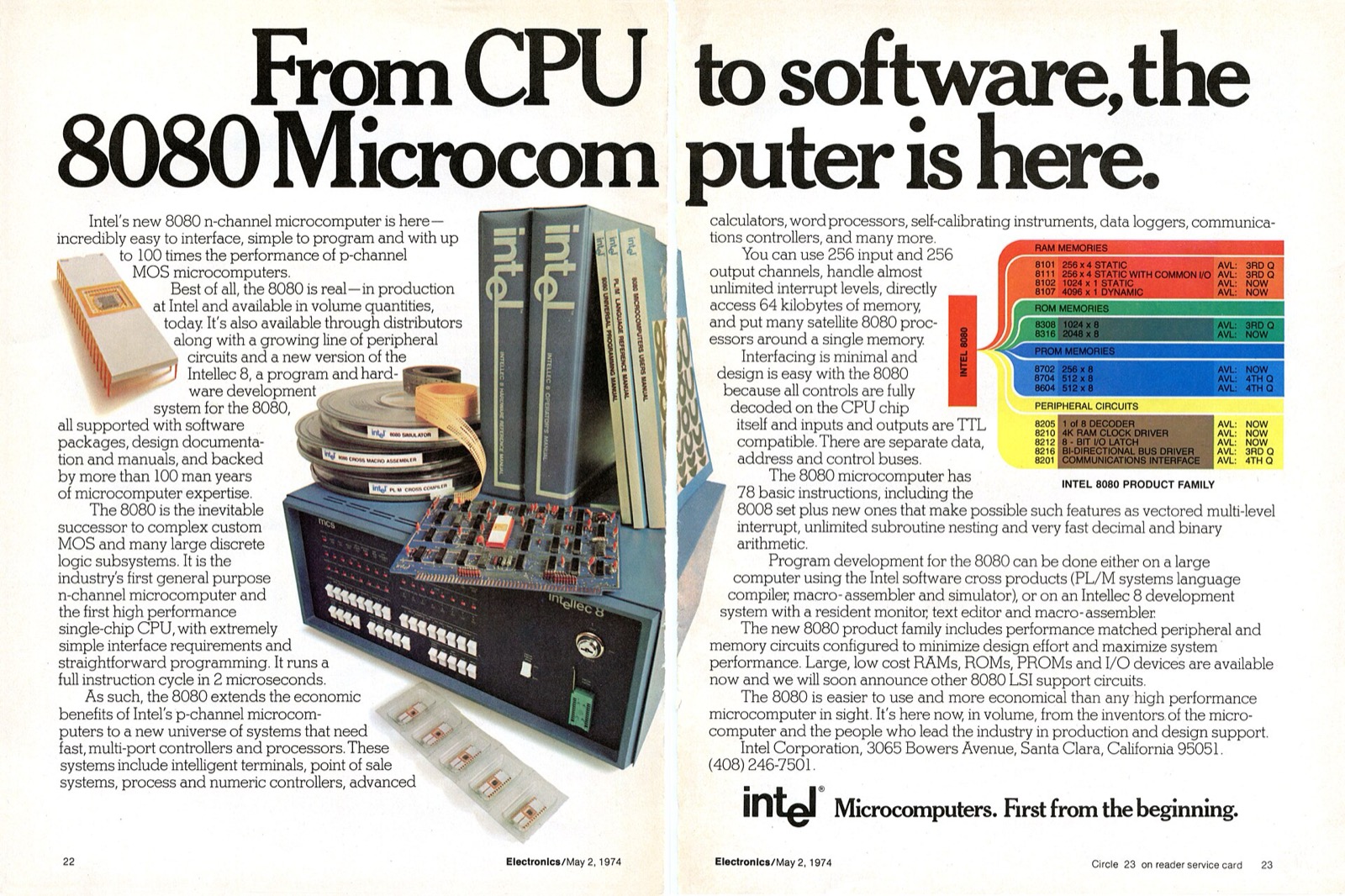
- 1974: Intel’s 8080 and Motorola’s 6800 arrive, and according to the Computer History Museum, these second-generation 8-bit chips win widespread acceptance for the microprocessor idea.
- Mid-1970s: MOS Technology’s low-cost 6502 powers personal computers and games from Apple, Atari and Commodore, while Zilog’s Z80 becomes the most enduring 8-bit design.
- 1981: IBM’s Personal Computer uses Intel’s 8088, a version of the 8086, setting up the x86 family that Intel and AMD processors still build on.
- 1984: Apple’s first Macintosh runs on Motorola’s 68000.
- 2020: Apple’s M1, its first chip designed specifically for the Mac, packs 16 billion transistors, about seven million times as many as the 4004.
Hits and misses
Hits: Hoff’s idea of one programmable chip instead of many custom ones changed the economics of electronics. Instead of designing new chips for each product, companies could buy a standard processor and write software for it. Noyce’s decision to buy back the rights turned a calculator part into the foundation of Intel’s business.
Misses: Busicom gave up the most valuable rights in the deal to save money on calculators and went bankrupt in 1974. Texas Instruments also built prototypes of a chip matching the 8008’s function, the TMX1795, but never sold it commercially.
Where the microprocessor is today
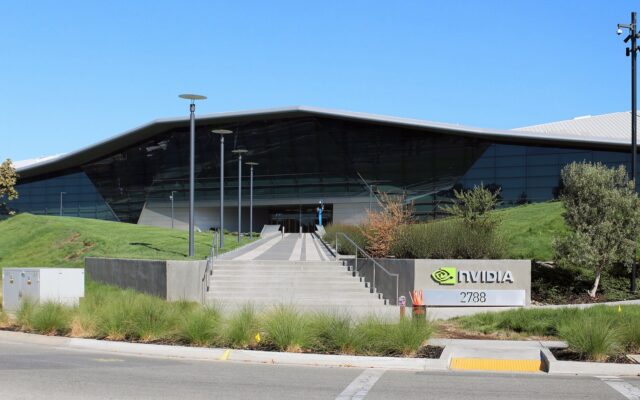
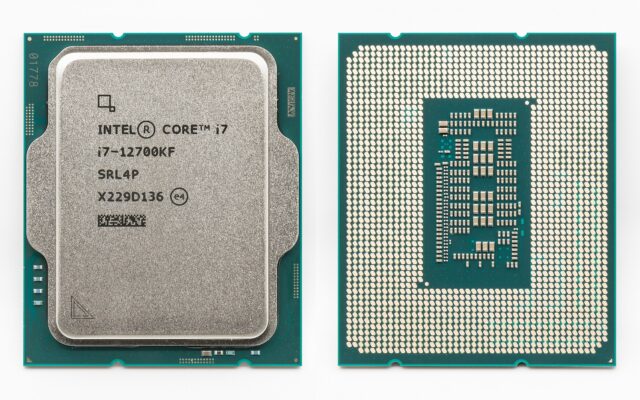
Microprocessors are now everywhere, from desktop CPUs to the chips inside cars, TVs and smart speakers. PC processors from Intel and AMD still trace their instruction set back to the 8086, while phones and Apple’s Macs use Arm-based designs. Chip companies keep packing in more transistors and adding specialized engines for graphics and AI, which is how a company like Nvidia became one of the most valuable in the world. And the market keeps shifting: Intel is now moving more production toward server CPUs. If you want to see how hard your own processor is working, here’s how to check your CPU temperature on Windows.
3 fun facts about the microprocessor
- The designer signed it. Federico Faggin etched his initials, “F.F.,” into a corner of the 4004’s chip design.
- $60,000 for the rights, $60 for the chip. Intel paid Busicom $60,000 to get the 4004’s rights back, and then sold the chip itself for $60.
- It never flew to Jupiter. A popular myth says NASA’s Pioneer 10 spacecraft used a 4004. According to NASA’s Ames Research Center, the Pioneer team looked at the chip but didn’t use it.
Sources: Computer History Museum: 1971 microprocessor milestone, Intel Virtual Vault: The Intel 4004, Apple Newsroom: M1, Wikipedia: Intel 4004
Where to buy
- The Intel Trinity by Michael S. Malone (book): check price on Amazon
- Desktop processors (Intel and AMD): check price on Amazon
As an Amazon Associate I earn from qualifying purchases.