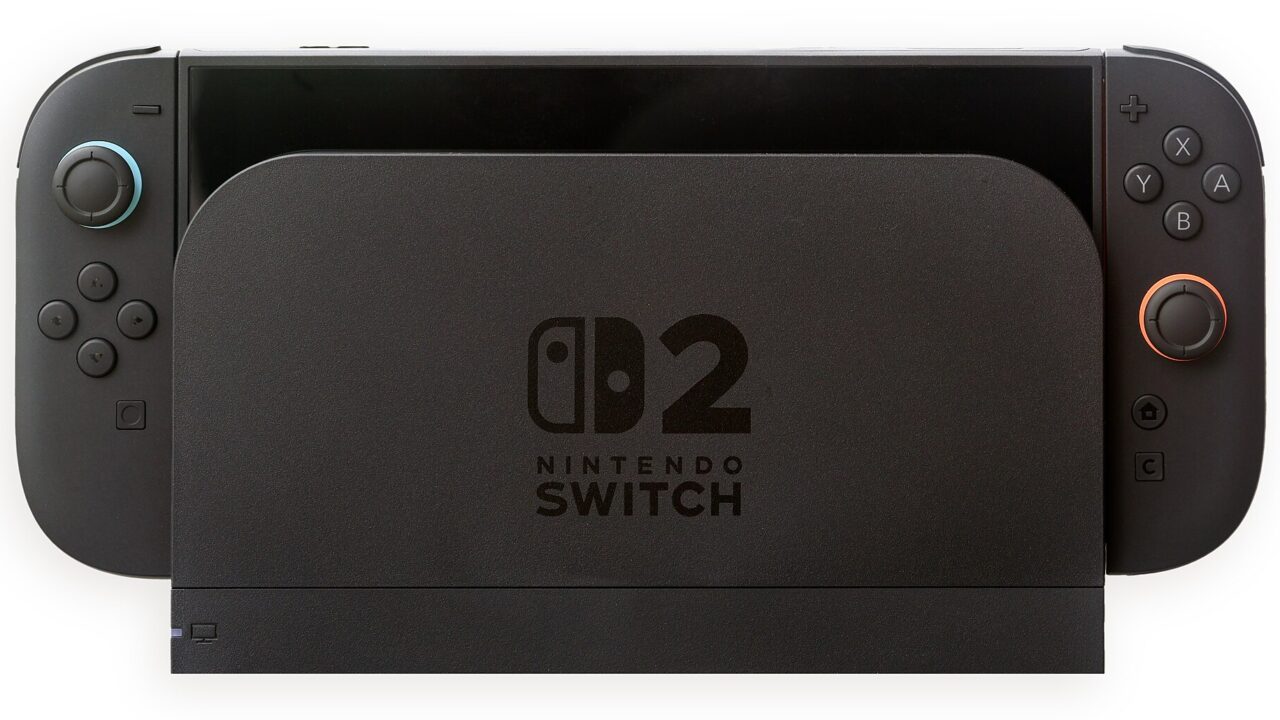
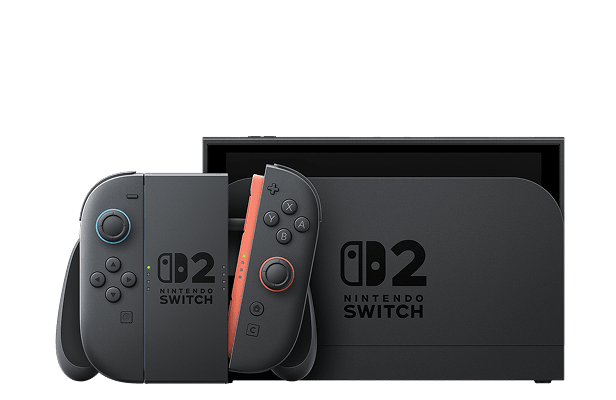
Nintendo’s latest earnings report shows a steep slowdown in Switch 2 hardware sales, with the console moving 37.4 percent fewer units in the first half of this fiscal year compared with the same period a year ago. The six-month period began just a month before Nintendo raised the console’s US price in May, from $450 to $500.
The numbers behind the decline
According to the earnings report covering April through September, Nintendo sold 6.49 million Switch 2 units over the six-month period: 3.82 million in the first quarter and 2.67 million in the second. That’s down from 10.36 million units sold in the same window last year, when the console had just launched on June 5, 2025, following its debut as the successor to the original Switch. Nintendo still said that “many consumers continued to adopt the system,” helped by new game releases.
Some of that decline is simply the natural cooling-off period after a hardware launch; no console sustains first-month demand indefinitely. But the timing is hard to ignore. In early May, Nintendo raised the Switch 2’s US price by $50, to $500, citing higher memory costs and tariffs. Nintendo sold fewer consoles in the second quarter (2.67 million), which came entirely after the price hike, than in the first (3.82 million).
Memory costs are squeezing more than just Nintendo
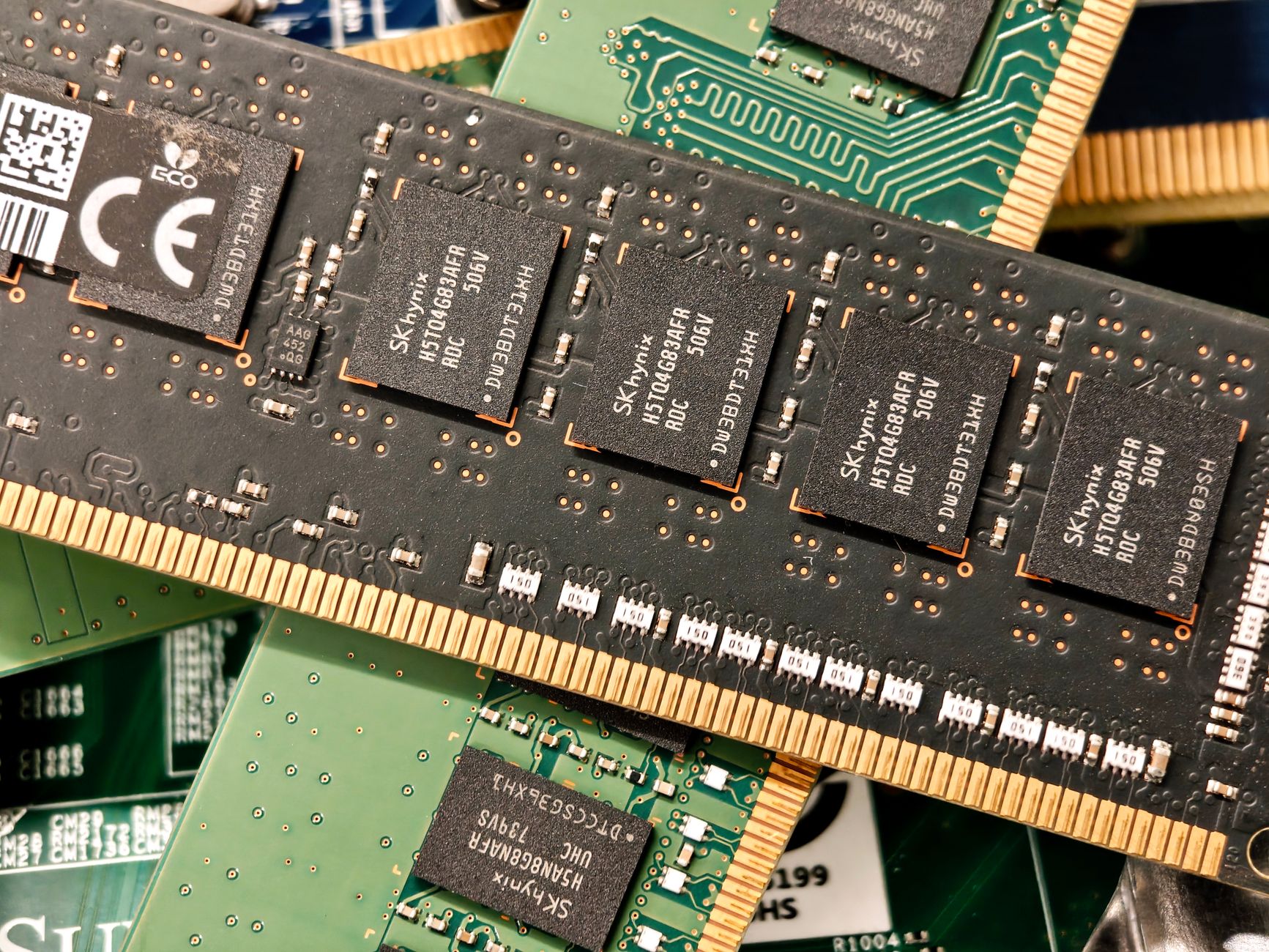
Nintendo’s explanation points to a problem rippling across the entire electronics industry right now: rising memory prices. The same cost pressures have pushed PC component prices higher, a trend covered in our look at why the RAM shortage could stretch through 2028 and in our breakdown of the high costs of DDR5 RAM. As The Verge notes, demand from AI data centers is driving the shortage, and Nintendo isn’t alone: Microsoft has raised the Xbox Series S from $299 to $499, and the PS5 now starts at $649. On the earnings call, Nintendo president Shuntaro Furukawa said the company is in a position to secure enough memory, according to Reuters.
Profit still rose despite fewer consoles sold
Oddly, the console slowdown didn’t hurt Nintendo’s bottom line. Net profit climbed 11 percent year over year, driven by strong software sales and the success of the latest Super Mario movie. This underscores something Nintendo has leaned on for decades: its software and licensing business can carry the company even when hardware sales soften. A remake of Ocarina of Time launched this week and is expected to be one of the console’s biggest releases of the year, which could help offset any further hardware cooling in the current quarter.
What this means for buyers
Nintendo isn’t panicking. The company is sticking with its forecast of 16.5 million Switch 2 units for the full fiscal year, a number that’s about 17 percent below last year’s total but one that suggests Nintendo expected this slowdown and planned around it rather than being caught off guard. Furukawa also said Nintendo is “not considering additional changes” to the Switch 2’s price, Reuters reports. That means no new increase for now, but no sign of a cut either, so anyone eyeing the console should plan on paying $500.
The bottom line
The Switch 2’s sales dip looks less like a sign of waning interest and more like a direct response to a price increase driven by industry-wide memory costs. Nintendo’s profit growth shows the company can weather a hardware slowdown as long as software keeps selling, and big releases like the Ocarina of Time remake should help keep the console relevant through the rest of the fiscal year.
Where to buy
- Nintendo Switch 2: check price on Amazon
- The Legend of Zelda: Ocarina of Time remake: check price on Amazon
As an Amazon Associate I earn from qualifying purchases.