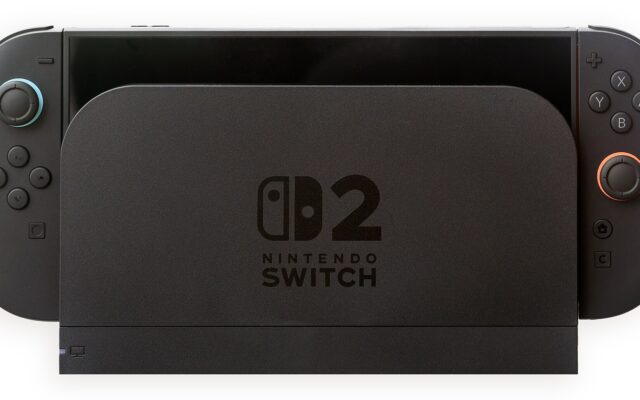
The Nintendo Switch 2 vs Switch question is still the one most people ask before buying, even though the newer console has been on sale since June 2025 and has already sold more than 23 million units worldwide. By October 2026, Nintendo has also layered on a handful of new variants, a confirmed price increase, and a battery redesign for Europe. If you’re deciding whether to finally make the jump, here’s what’s actually confirmed, what’s changed recently, and what still doesn’t apply outside certain regions.
What’s new in 2026
The base Nintendo Switch 2 hasn’t changed since launch, but three things around it have. First, Nintendo confirmed price increases across the US, Canada, Europe and other regions effective September 1, 2026, citing “changes in market conditions” — no specific new figures were given beyond the original MSRP of $449.99 in the US, £395.99 in the UK, and €469.99 in Germany. Japan’s price was separately revised from ¥49,980 to ¥59,980 as of May 25, 2026.
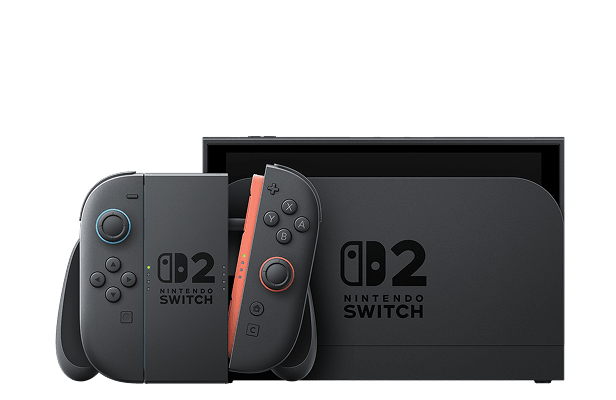
Second, Europe is getting a hardware revision most other regions won’t see. Starting autumn 2026, Nintendo will begin replacing EU-market Switch 2 consoles, Joy-Con 2 controllers, and the Pro Controller with versions that use user-replaceable batteries, in preparation for EU battery regulation 2023/1542, which takes effect in February 2027. The console’s battery drops slightly from 5,220 mAh to 5,172 mAh (about a 1 percent reduction), while the unit itself gets about 10g heavier (roughly 411g instead of 401g). Nintendo says battery life stays rated at the same 2 to 6.5 hours and that there’s no functional difference otherwise. The revised Pro Controller, arriving winter 2026 in the EU, trades a 1,070 mAh battery for an 897 mAh one — about a 16 percent cut — but also loses weight, going from 235g down to 228g.
Third, Japan is getting a collector’s piece: a Legend of Zelda 40th Anniversary Edition releasing October 29, 2026 at 62,980 yen, featuring Triforce motifs on the console, dock, and Joy-Con 2, plus a matching Pro Controller and carrying case. It doesn’t include a game and is only sold as the Japanese-language system.
None of these changes affect the console sold in North America or most of the rest of the world — those markets keep the original glued-in battery hardware that’s shipped since June 2025.
Key differences: Switch 2 vs. original Switch
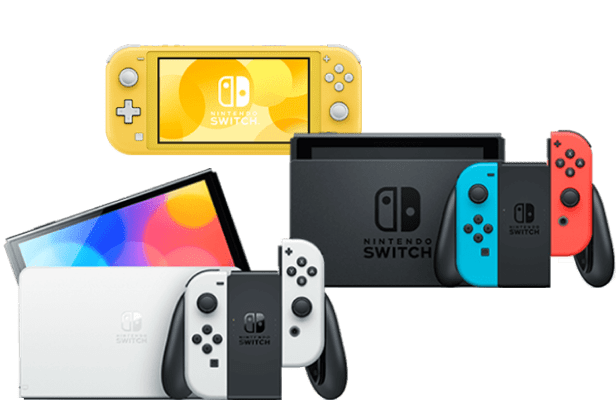
For anyone still comparing the two generations directly, the core hardware gap hasn’t moved. The table below reflects Nintendo’s official specifications for both consoles.
| Spec | Nintendo Switch (Original) | Nintendo Switch 2 |
|---|---|---|
| Display | 6.2-inch, 720p LCD | 7.9-inch, 1080p LCD, up to 120Hz with VRR |
| Processor | Nvidia Tegra X1 | Custom Nvidia T239 (Ampere), 8-core Arm Cortex-A78C |
| Graphics performance | Baseline | Roughly 10x the original Switch |
| Docked output | 1080p at 60fps | Up to 4K at 60fps (with DLSS) |
| Internal storage | 32GB | 256GB |
| Battery | 4,310 mAh; 4.5–9 hours | 5,220 mAh; 2–6.5 hours (EU revision: 5,172 mAh) |
| Weight with controllers | Approx. 401g | Approx. 534g |
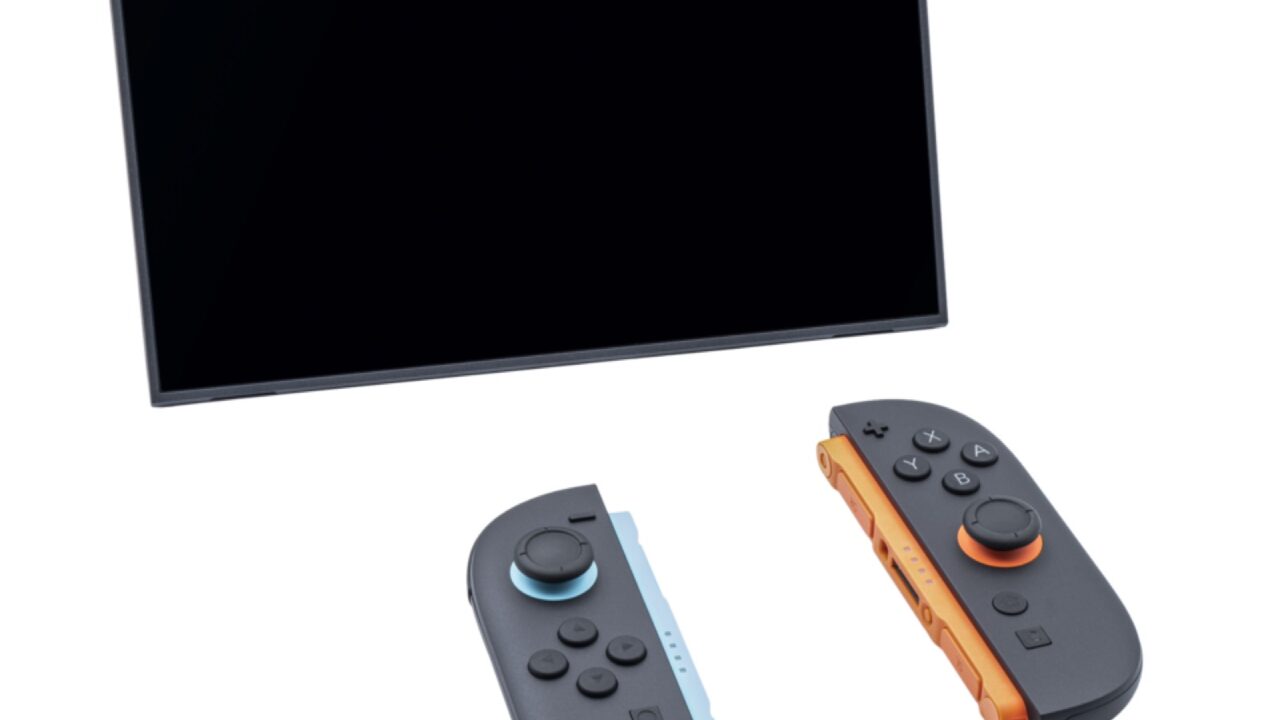
| Joy-Con attachment | Slide rail | Magnetic |
| Mouse mode | Not supported | Yes, via optical sensor (developer opt-in per game) |
| USB-C ports | 1 (bottom only) | 2 (top and bottom) |
| Camera support | Not supported | Optional USB-C camera accessory for video chat |
| GameChat / voice and video chat | Not supported | Yes, via dedicated “C” button on Joy-Con 2 |
| HDR support | Not supported | Yes (HDR10) |
| Backward compatibility | N/A | Yes, with some exceptions |
Two features deserve a caveat rather than a flat “yes.” Mouse mode works by letting a detached Joy-Con 2 sit on a surface and act like a computer mouse, but it’s strictly opt-in — each developer has to build and calibrate support for it, so it won’t appear in every game. And backward compatibility, while broad, isn’t universal; some Switch titles have received separate paid or free Switch 2 Edition upgrades rather than simply running as-is.
Who should upgrade — and who shouldn’t
If you’re still on an original Switch or Switch Lite and want sharper visuals, a bigger screen, and dramatically more storage headroom, the Switch 2 remains the obvious upgrade — its 10x graphics jump and 1080p display with VRR are real, measurable improvements over Tegra X1-era hardware. GameChat and the camera accessory also make it a more social device if you play with friends remotely, something the original Switch never supported natively.
If you’re an EU buyer specifically waiting on the user-replaceable battery, there’s little reason to delay — Nintendo says functionality is identical to the current hardware, and the weight and capacity differences are marginal. Collectors in Japan might wait for the Zelda 40th Anniversary Edition if the design matters more than the price premium, since it ships without a bundled game.
On the other hand, if you already own a day-one Switch 2, none of this year’s updates are worth chasing. The EU battery revision brings no functional upgrade, the Zelda edition is cosmetic and region-locked, and the Pro Controller revision actually loses some battery capacity in exchange for lower weight. Buyers outside the EU and Japan also simply don’t have access to most of these variants yet, so the standard model remains the only practical option in most of the world.
The bottom line
The Nintendo Switch 2 hasn’t changed on a spec level since its June 2025 launch, and the 2026 news cycle is really about who gets access to what: Europe gets a regulation-driven battery redesign, Japan gets a Zelda-themed collector’s console, and everyone faces a price increase as of September 2026. For a first-time buyer, the core comparison against the original Switch still holds — faster chip, sharper screen, far more storage, and new social features. For existing Switch 2 owners, there’s nothing here that demands a second purchase.
Sources: pcguide.com, Engadget, videogameconsolelibrary.com, nintendolife.com, nintendo.com, unn.ua
Where to buy
- Nintendo Switch 2 Console: check price on Amazon
- Nintendo Switch 2 Pro Controller: check price on Amazon
- microSD Express Card for Switch 2: check price on Amazon
- Nintendo Switch 2 Carrying Case: check price on Amazon
As an Amazon Associate I earn from qualifying purchases.