
The UK’s Competition and Markets Authority (CMA) has proposed forcing Apple to loosen its control over the iPhone’s NFC chip, the component that powers tap-to-pay purchases through Apple Wallet. The regulator argues that Apple’s fees and access rules are keeping British fintech companies from building their own contactless payment apps, and it wants that to change with “substantially lower” costs and broader access to the underlying technology.
What the CMA Is Asking For
According to the CMA, 39 percent of all payments in the UK now happen via contactless technology, and Apple Wallet is the most popular way people do it on a phone. The regulator says Apple’s current terms are “onerous” and that the fees it charges developers for NFC and Secure Element access are blocking fintechs from innovating or growing. Its proposed fix isn’t a fixed price cap; instead, the CMA wants to set “principles” for how Apple’s charges should be calculated, with the expectation that the resulting fees would land well below what Apple charges today.
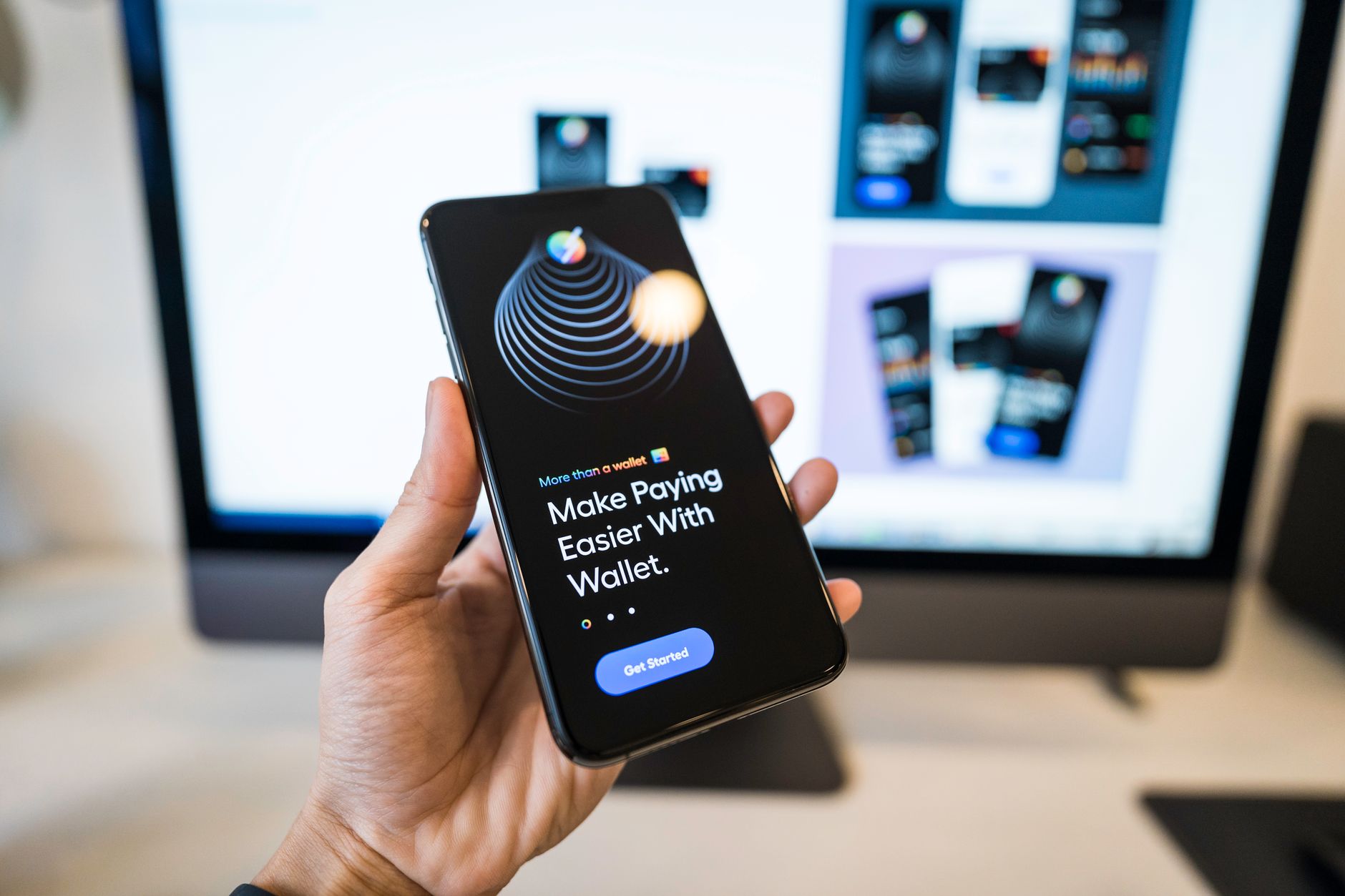
The CMA also wants Apple to open Wallet access to “the main contactless standards used internationally,” which would let UK companies launch the kind of wallet apps already available elsewhere. Notably, the regulator says its own evidence found no inherent security risk in granting that access, directly pushing back on one of Apple’s long-standing justifications for keeping the system closed.
The EU Already Got This Deal
This isn’t the first time Apple has faced this exact fight. In 2024, Apple agreed to give developers access to NFC payment tech, along with Face ID authentication and double-click-to-pay, across the European Union. That commitment helped Apple avoid a fine that could have reached 10 percent of its global annual revenue. Apple later extended similar access to developers in other regions, including the UK, starting with iOS 18.1.
The catch, according to the CMA, is that UK developers got access on paper but remained stuck paying Apple’s fees and operating inside Apple’s ecosystem, unlike their counterparts in the EU. The result, the regulator says, is that “not a single firm” has managed to launch a wallet-type product in the UK to compete with Apple’s own. The CMA’s proposal is essentially asking Apple to extend the full EU-style terms to Britain rather than the partial access it currently offers.
Why This Matters for Fintech and Everyday Users
The CMA frames this as an economic issue as much as a competition one, pointing out that the UK’s fintech sector supports more than 360,000 jobs and is a significant part of the country’s tech economy. If banks and payment startups could build their own tap-to-pay wallets without routing everything through Apple’s terms, the CMA’s view is that competition and innovation in mobile payments would follow, potentially giving UK consumers more choice than just Apple Wallet or Google Pay.
For everyday iPhone owners, nothing changes immediately. Apple Wallet still works exactly as it does now, and this is a proposal, not a finalized rule. But if adopted, it could eventually mean UK banks or fintech apps offering their own contactless payment experiences directly from an iPhone, something that currently isn’t really possible outside of Apple’s own wallet.
Apple’s Response
Apple has already pushed back. In a statement, the company said it has made it possible for developers worldwide to offer contactless transactions securely within their own apps, covering everything from in-store payments and transit passes to car keys and event tickets, and that this setup already enables competition between wallets while protecting user data. Apple specifically objects to the idea that it should have to adopt an approach it characterizes as offering “lower privacy and security protections,” though it says it will keep engaging with the CMA to find an outcome that works for users.
The CMA’s consultation on the proposal is open until November 17, 2026, after which the regulator will review responses, including Apple’s formal objections, before making a final decision.
The Bottom Line
This is another round in the broader fight regulators have been waging against Apple’s control over iPhone hardware features, and it closely mirrors the battle Apple already fought and partially lost in Europe. Nothing is locked in yet, and Apple is clearly prepared to resist changes it sees as weakening security. But if the CMA gets its way, it could open the door to real competition in UK mobile payments for the first time, something that, by the regulator’s own account, hasn’t happened under the current rules.
Source: Engadget