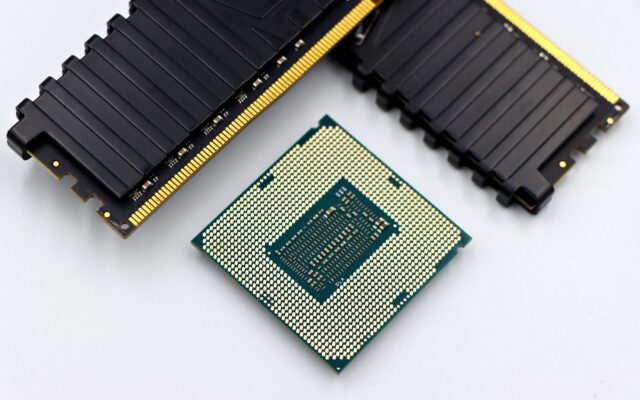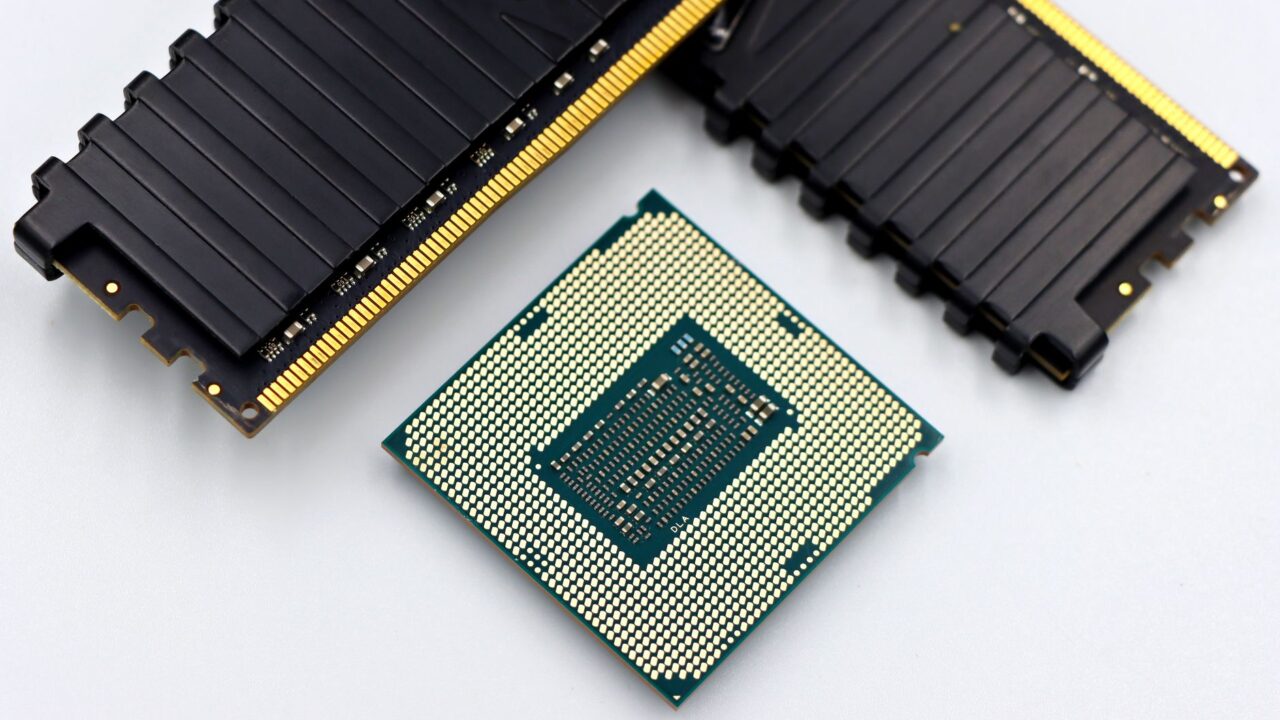
A gamer posting on a German PC-building subreddit recently learned the hard way that a used CPU can come with baggage you can’t see on the box. After buying a secondhand AMD Ryzen 7 5800X3D, they fired up Valorant and were immediately kicked out of the game. It turned out the chip had been blacklisted by Riot Games’ Vanguard anti-cheat system months earlier, because whoever owned it before had apparently cheated. The buyer had no way of knowing before the purchase, and Riot’s support team said it could not reverse the ban.
What happened with the banned Ryzen 7 5800X3D
According to a post shared on the r/PCBaumeister subreddit, the Redditor known as u/After-Cartoonist-196 bought the CPU on September 21, 2026. Vanguard had flagged the chip’s hardware ID back on August 12, 2026, tying it to a previous Valorant cheating violation. When the buyer reached out to Riot for support, the company confirmed the ban was real but said it would expire after four months from when it was issued, meaning the account tied to that hardware wouldn’t be permanently locked out.
Riot Games anti-cheat specialist Phillip Koskinas addressed the situation publicly on X, clarifying a few details that got exaggerated as the story spread. He said hardware bans at Riot max out at four months, apply only to the specific game in question, and that customer support can tell affected users exactly how much time is left on a ban. He also pushed back on the buyer’s claim that the entire system had been blacklisted, saying Vanguard only flags the single component matched to the denylist, not every part of a PC.
How hardware ID bans actually work
Anti-cheat systems like Vanguard rely on a hardware identifier, often tied to the CPU, to recognize a machine even if the user creates a new account or reinstalls Windows. That’s effective against repeat cheaters, but it also means the ban follows the physical component rather than the person. If that component gets sold, traded, or passed down, whoever owns it next inherits whatever flags are already attached, through no fault of their own.
Not every anti-cheat system handles this the same way, and the differences matter for anyone shopping the used market. Easy Anti-Cheat bans affected hardware across every game that uses it, so a single flagged component could lock someone out of multiple titles at once. BattleEye goes further and enforces permanent bans with no expiration. Riot’s Vanguard, as this incident showed, caps bans at four months and keeps them isolated to the specific game. Call of Duty’s Ricochet system is stricter still, reaching out to Microsoft’s servers to verify that the system hasn’t been tampered with, on top of requiring Secure Boot and TPM 2.0 like Vanguard does.
Why there’s no way to check before buying
The core problem is that none of these systems offer a public lookup tool. A seller can insist their CPU is clean, and they might even believe it, but there’s no database a buyer can check against a processor’s ID before handing over cash. The only way to find out is to install the game, log in, and hope nothing happens.
What this means for anti-cheat going forward
This incident has reignited broader frustration with how invasive modern anti-cheat software has become. Some players already dislike kernel-level anti-cheat for being resource-intensive or for running constantly in the background, and Vanguard previously made headlines for soft-bricking dedicated cheating hardware. Supporters argue that anti-cheat systems have become crucial to keeping online games playable. Both things can be true: hardware ID bans are an effective deterrent against repeat offenders, and they create collateral damage for innocent secondhand buyers who had nothing to do with the original violation.
The bottom line
If you’re buying a used CPU specifically to play competitive, anti-cheat-protected games, there’s currently no reliable way to verify it’s free of prior violations. Riot’s clarification shows its bans are at least time-limited and contained to one title, which is better than the permanent, cross-game bans some other anti-cheat systems enforce. Still, the safest move for secondhand buyers is to ask sellers directly about anti-cheat history, understand that a straight answer isn’t verifiable, and factor in the small risk of inheriting someone else’s ban when deciding whether the discount on a used chip is worth it.
Source: Tom's Hardware
Where to buy
- AMD Ryzen 7 5800X3D Processor: check price on Amazon
- ASUS TUF Gaming AM4 Motherboard: check price on Amazon
As an Amazon Associate I earn from qualifying purchases.