Sony Interactive Entertainment has started rolling out AI upscaling for the standard PS5, a feature that until now was reserved for the pricier PS5 Pro. The company is pushing day-one patches for Marvel’s Wolverine and Ghost of Yōtei that add support for a new technology called Quick Spectral Super Resolution, or QSSR, making these the first two games to use it. Sony says the new graphics option will eventually be available to every PlayStation developer, not just first-party studios.
What QSSR Actually Does
QSSR is an AI-based upscaling technique, similar in spirit to the PlayStation Spectral Super Resolution system Sony introduced alongside the PS5 Pro two years ago. Upscaling tools like this render a game at a lower internal resolution, then use a neural network to reconstruct a sharper, higher-resolution image before it hits the screen. That approach can boost frame rates without a one-to-one hit to visual quality, since the AI model is filling in detail rather than the GPU rendering every pixel natively.
According to Sony’s blog post, QSSR relies on “a streamlined neural network architecture” paired with “a hand-tuned implementation that maximizes performance,” which is how the company is able to run AI upscaling on the base PS5’s more limited hardware. The project reportedly stems from work Sony did with AMD, though neither company has detailed the exact technical collaboration beyond that.
Why This Matters for Base PS5 Owners
Since the PS5 Pro launched, there’s been a clear visual and performance gap between it and the standard console, partly because PSSR gave Pro owners sharper images at better frame rates in supported titles. Bringing a comparable tool to the base PS5 narrows that gap, at least in games that add support for it. Sony says the result is “notable improvements” to image detail and stability, which in plain terms should mean fewer jagged edges, less shimmer in motion, and a generally cleaner picture, especially useful at higher frame rate modes where internal resolution usually takes the biggest hit.
If you’re weighing whether to upgrade or stick with a standard PS5, this update is a reminder that Sony is still actively improving the cheaper console rather than treating it as a dead end. For a broader look at how the two models stack up against a comparably priced gaming PC, our PS5 Pro vs. gaming PC comparison is a useful reference point.
The First Games to Support It
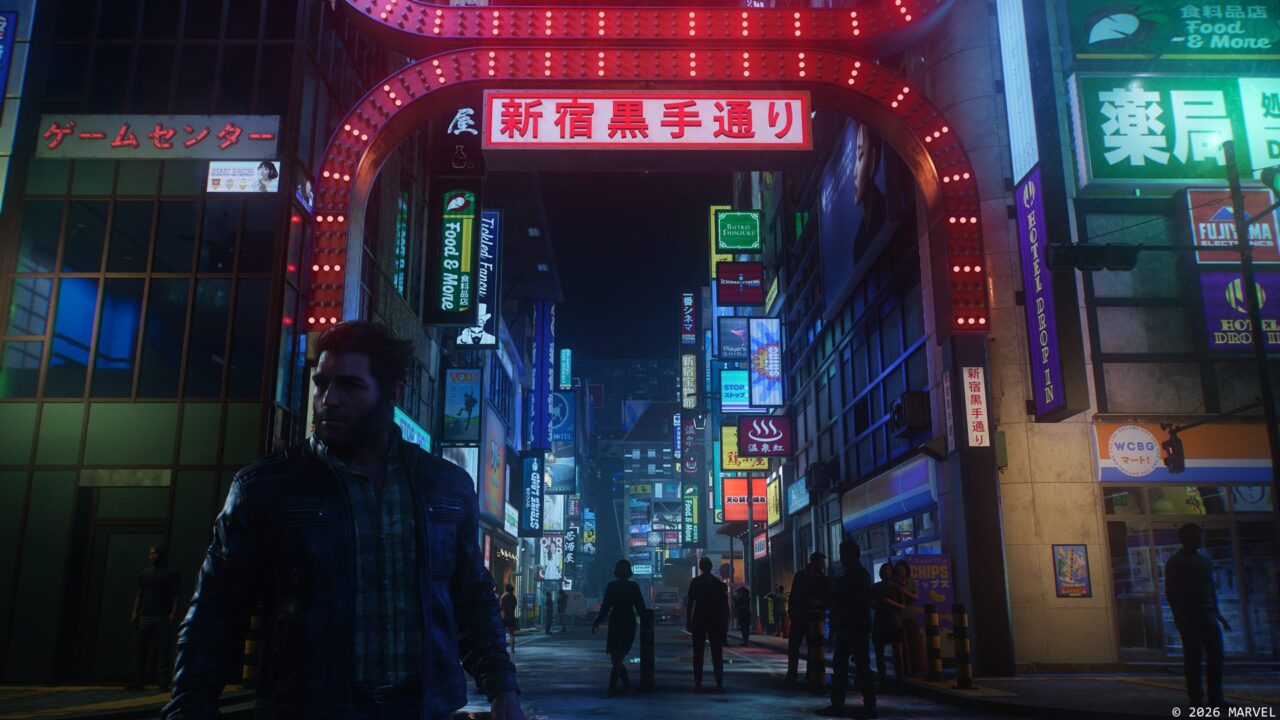
Insomniac Games’ Mike Fitzgerald, head of technology on Marvel’s Wolverine, said QSSR adds “more pixel-level clarity and stability” to the game’s environments, specifically calling out the busy streets of Madripoor and the dense alleyways of Shinjuku as areas where the extra detail should be noticeable.
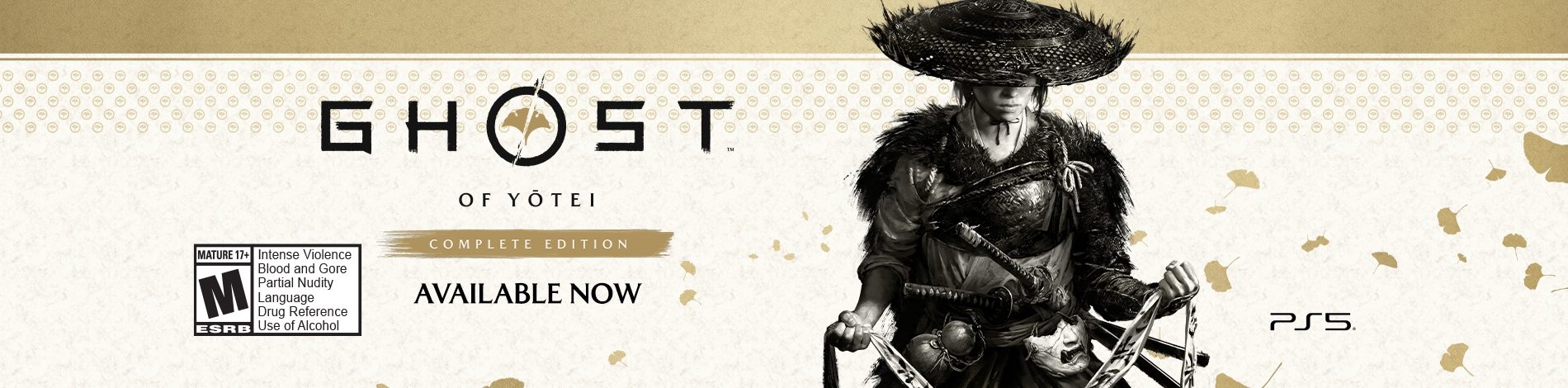
Ghost of Yōtei is the second launch title for QSSR, and the timing lines up with Sucker Punch Productions releasing a complete edition of the game on the same day. That edition adds a story expansion and a roguelike mode comparable to The Last of Us Part 2’s No Return mode. Players who already own Ghost of Yōtei can upgrade to the complete edition for $15.
What to Watch Next
Sony hasn’t published a list of additional games or a timeline for when more titles will adopt QSSR, only that the option will be available to any PlayStation developer going forward. Whether it becomes a standard feature across most PS5 releases, similar to how DLSS and FSR became common on PC, will depend on how much extra work studios need to put in and how visible the benefits are in practice. Early reactions once players get hands-on time with Marvel’s Wolverine and Ghost of Yōtei should give a clearer sense of how big a difference QSSR makes.
The Bottom Line
QSSR is a meaningful quality-of-life upgrade for base PS5 owners, since it brings AI upscaling benefits that were previously a selling point for the PS5 Pro. It won’t close the hardware gap entirely, but for anyone who isn’t planning to upgrade consoles anytime soon, it’s a free improvement that could make supported games look and run noticeably better.
Source: Engadget
Where to buy
- Sony PlayStation 5: check price on Amazon
- Sony PlayStation 5 Pro: check price on Amazon
- Marvel’s Wolverine (PS5): check price on Amazon
As an Amazon Associate I earn from qualifying purchases.