Google and Xreal just did something unusual in the current market: they made a product cheaper right before launch. The Google / Xreal Aura, a 95-gram pair of transparent AR glasses tethered to an Android XR compute puck, went on sale today for $1,099 through the end of the year. That is $180 less than the $1,279 Xreal was charging during preorders last month, and the move looks aimed squarely at one rival: Meta.
Why the price dropped before launch
At $1,279, the Aura was priced almost identically to Meta’s VR Glasses, which put Google and Xreal in an awkward spot against an established competitor. Cutting the price to $1,099 flips that comparison in their favor, at least for now, since the discount is only confirmed through the end of the year. Anyone who already preordered at the higher price does not need to do anything extra. Xreal GM and spokesperson Ralph Jodice told The Verge that preorder customers will be refunded the difference automatically and instantly.

What $1,099 actually buys you
The base configuration, with 12GB of RAM and 256GB of storage, is $1,099 in the US, Canada, and South Korea. Buyers who want more headroom can step up to the 16GB plus 512GB model for a discounted $1,299. Google says units for both configurations are expected to start shipping in mid-November. Japan gets the Aura a little earlier, on November 2nd, with other regions following sometime next year. Just as important as the price cut is the fact that buying one is now simple: instead of juggling reservations, preorders, and a limited Founder’s Edition, shoppers in launch countries can just order the glasses outright.
On the hardware side, the Aura leans on a 70-degree diagonal field of view, which Google and Xreal describe as one of the widest among transparent AR glasses so far. That is a meaningful spec for this category, but it is still a tradeoff compared to fully enclosed VR headsets, which can offer a more immersive field of view at the cost of blocking out the real world.
Gemini, Google Photos, and a software-first pitch
Hardware aside, Google and Xreal are leaning heavily on software to justify the price. The companies say the Aura will launch with more than 150 “made-for-XR” experiences, plus new immersive films, including Andy Serkis’s Nevatars and Galapagos: the Last Eden. You can plug a computer or a handheld game console directly into the USB-C compute puck to mirror its screen into the glasses alongside your virtual windows, and ask Google’s Gemini AI about whatever you are looking at in real time.
Google Photos is also getting an XR-specific update. The company describes a new spatial gallery that “wraps your library around you,” letting you pan from a full year of photos down to a single day using hand gestures, then open a favorite memory in 3D. It is a feature that only really makes sense once you are wearing something like the Aura, and it is a good example of how Google is trying to make its existing apps feel native to the format rather than bolted on.
Accessories on the way, details still thin
Xreal is also partnering with GameSir on a wireless gamepad built specifically for the Aura, complete with a dedicated Gemini key, a charging dock, and swappable D-pads. A folding, portable wireless keyboard is in the works too. Neither accessory has a confirmed price or release date yet, so treat them as “coming eventually” rather than something to factor into a purchase decision today.
How this lines up against Meta
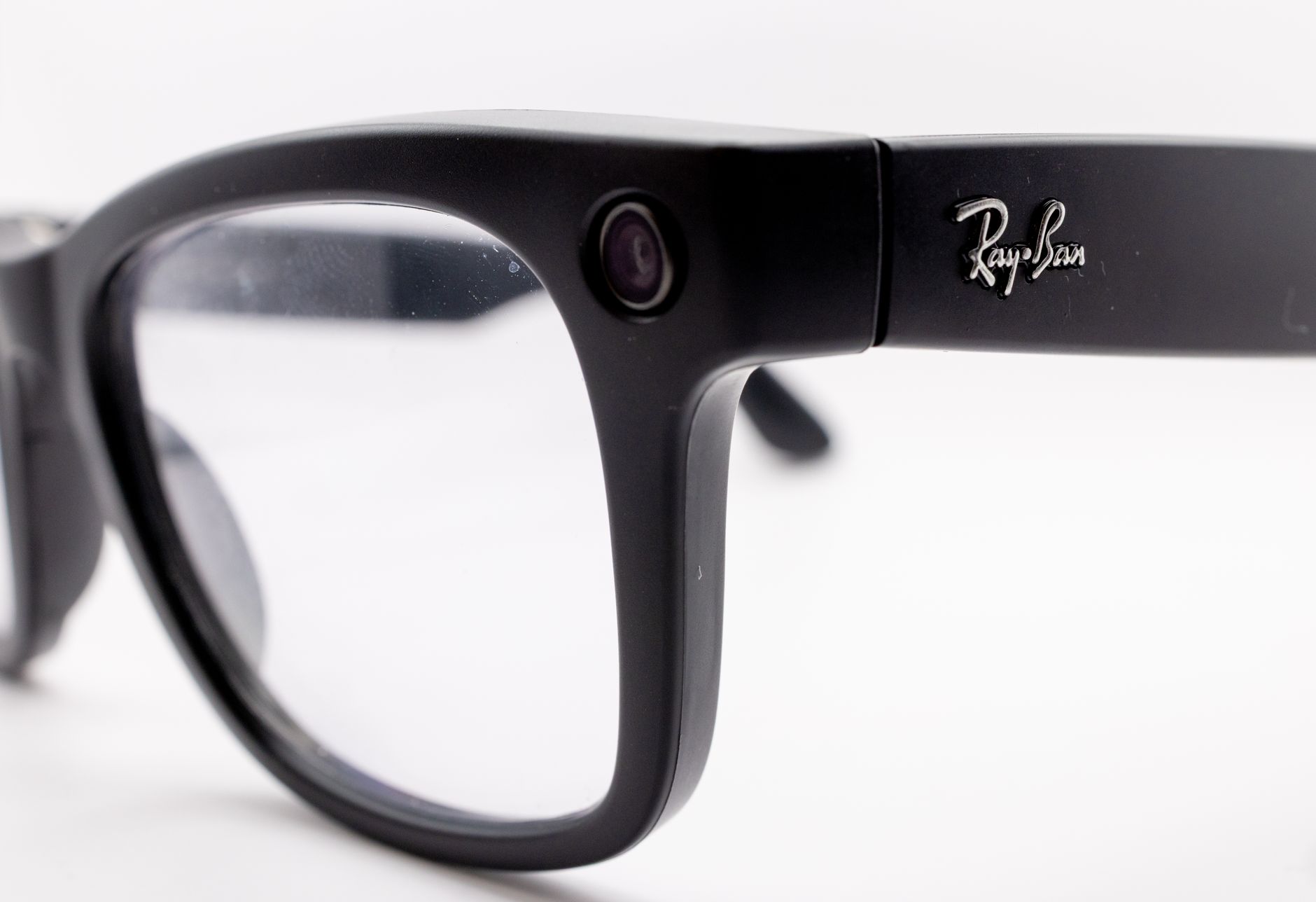
Meta has a head start in consumer smart glasses, including its Meta Ray-Ban Display lineup, which has been expanding into new markets. Pricing the Aura below Meta’s comparable VR glasses gives Google and Xreal a straightforward pitch for buyers who were on the fence: similar ambitions, lower entry cost, at least while the current pricing holds through the end of the year. Whether that is enough to win buyers over is something hands-on reviews will settle.
The bottom line
If you were curious about Android XR glasses but held off because of the preorder complexity or the price, both of those barriers just got smaller. $1,099 for the base Aura, with shipping expected in mid-November for most launch countries, is a reasonable entry point for an early AR glasses platform backed by Google’s software. Just keep in mind that the discounted price is only guaranteed through the end of this year, and that accessories like the GameSir gamepad and folding keyboard are not ready to buy yet.
Source: The Verge
Where to buy
- Xreal Aura AR Glasses: check price on Amazon
- Meta Ray-Ban Display Smart Glasses: check price on Amazon
As an Amazon Associate I earn from qualifying purchases.