On December 3, 1992, a 22-year-old engineer in England typed two words on a computer and sent them to a phone: “Merry Christmas.” Nobody wrote back, because the phone couldn’t reply. That was the first text message. Thirty-four years later, people send texts, photos, emoji and voice notes all day long, and the humble SMS still quietly carries login codes and delivery alerts. Here’s how the text message was born, how it took over, and where it’s going next.
The idea: 160 characters is enough
Text messaging was designed as part of GSM, the digital mobile phone standard that Europe developed in the 1980s. German engineer Friedhelm Hillebrand is widely credited with the idea of the Short Message Service (SMS). The big question was how long a message should be, since there was very little room to carry it.
According to Windows Central, Hillebrand tested it himself in 1985: he typed out ordinary sentences and questions and counted the characters. Nearly all of them came in under 160. He also looked at postcards and telex messages, which were usually short too. The 160-character limit was approved, and it stuck for decades.
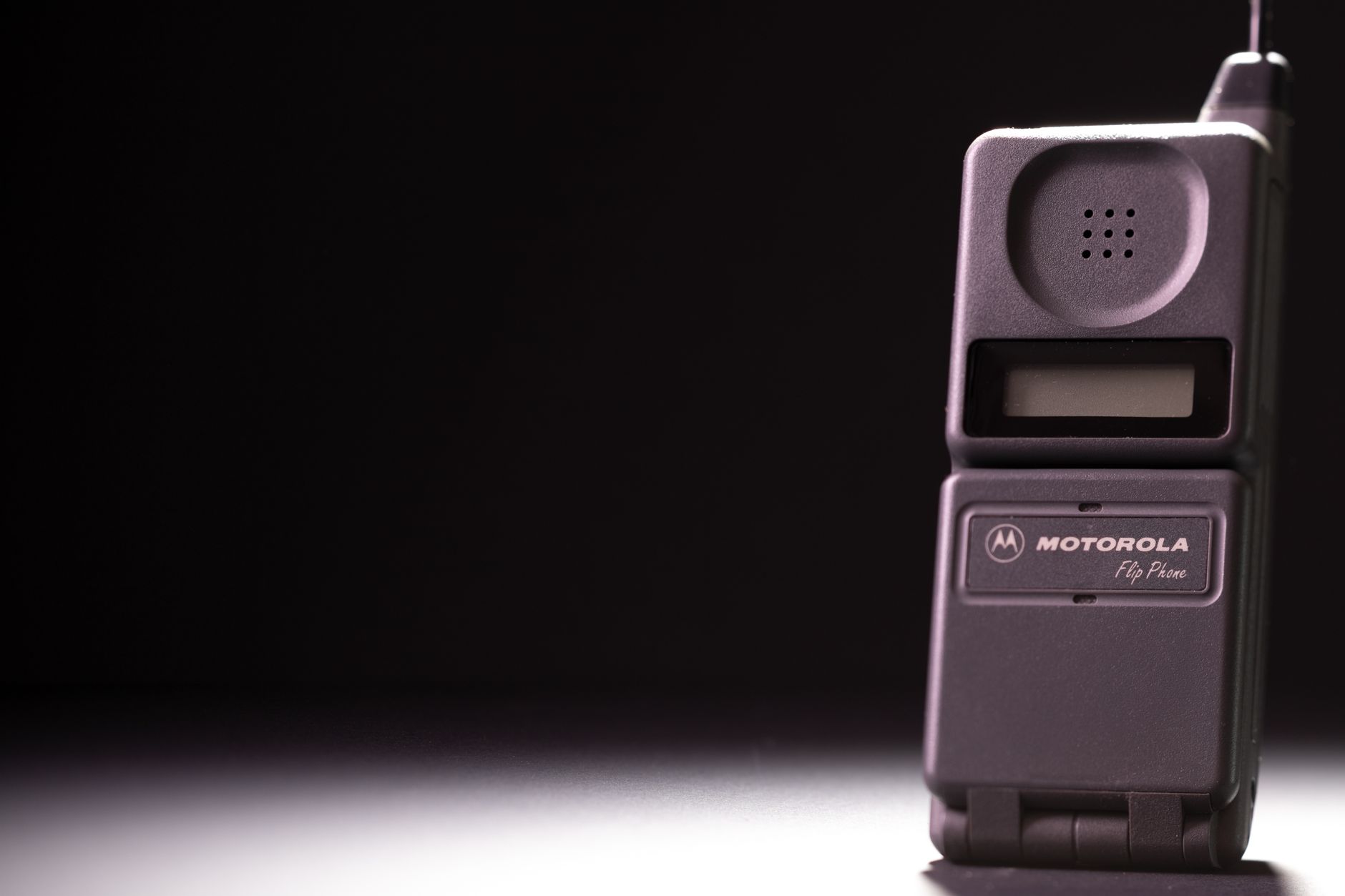
December 3, 1992: “Merry Christmas”
The first text was sent by Neil Papworth, a software developer working for Sema Group, which was building a Short Message Service Centre for the British carrier Vodafone. Vodafone says he sent it from a computer to his colleague Richard Jarvis, a Vodafone director who was at a holiday party.
History.com notes that phones couldn’t send texts back yet, and that Sema originally saw short messages as a kind of paging service. Papworth later said the moment “didn’t feel momentous at all.”
1993 to 1999: phones learn to text
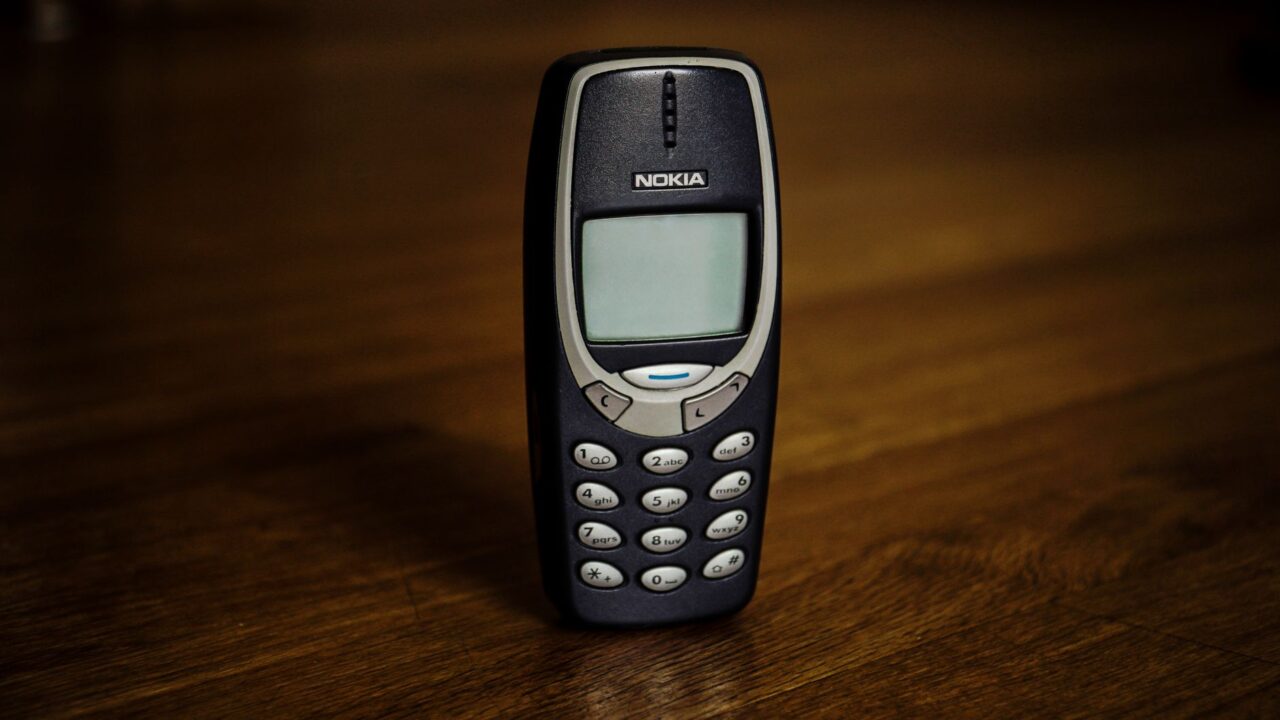
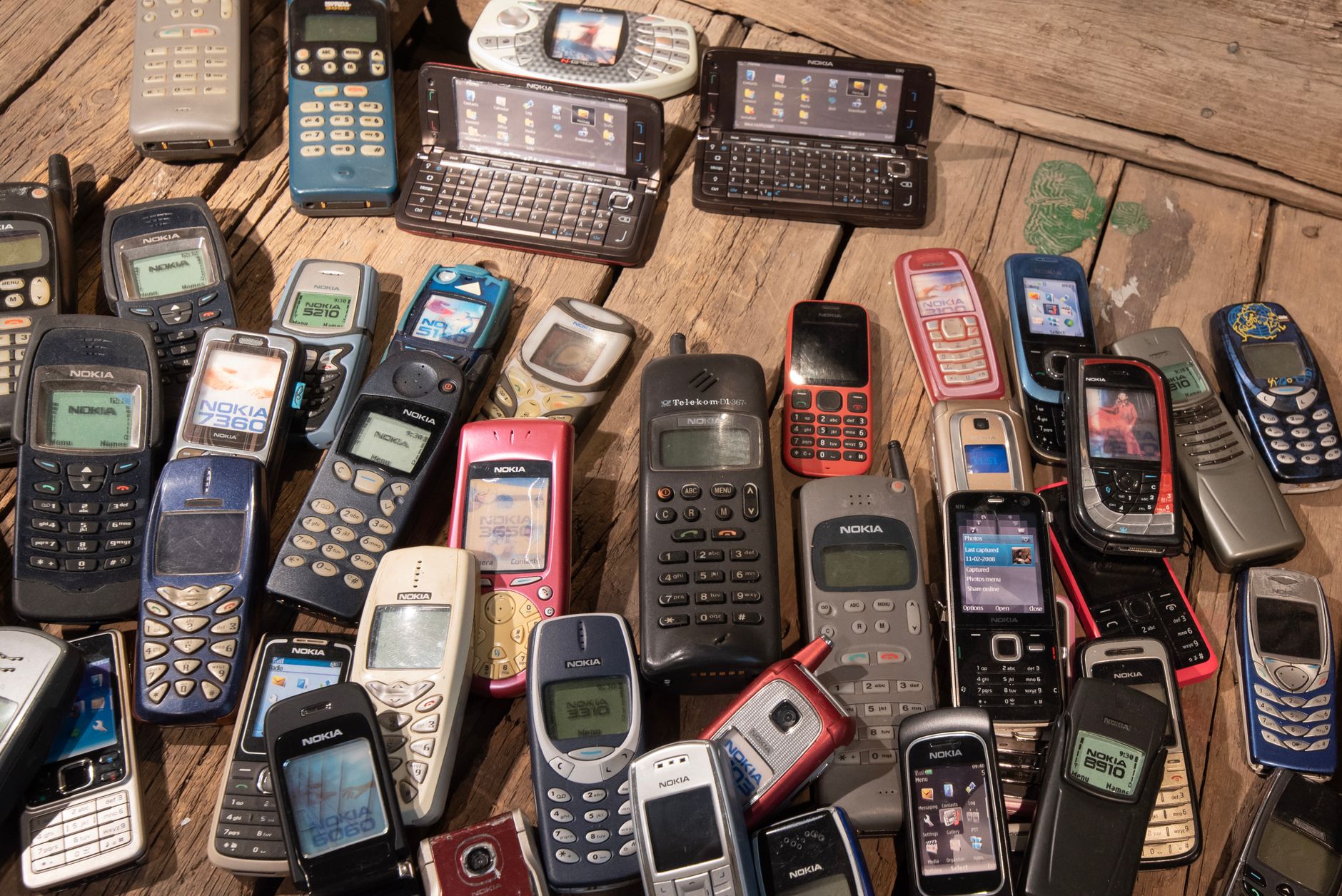
- 1993: Nokia introduced the first phones with an SMS feature, complete with a distinctive “beep” for new messages. At first, you could only text people on the same network.
- Texting on a keypad: typing on a number pad meant pressing a key up to four times for one letter. Predictive text, especially Tegic’s T9 system, made it much faster. History.com credits T9 and prepaid plans, which originally didn’t charge for texts, with making texting hugely popular with young people.
- Txt spk: to fit inside 160 characters, people invented shortcuts like “LOL,” “gr8” and emoticons made from keyboard symbols, such as :-).
- 1999: carriers finally let people text friends on rival networks, Vodafone says, and texting took off.
1999: the first emoji
The same year, Japanese carrier NTT DOCOMO released a set of 176 emoji for its phones and pagers, designed by Shigetaka Kurita on a tiny 12 x 12 pixel grid. They were an instant hit and were copied by rival companies. The Museum of Modern Art added the original set to its collection in 2016. Today’s emoji set has grown far beyond those first designs.
The 2000s: the texting boom
Texting grew at an incredible pace. History.com reports that by February 2001, people in the UK were sending about one billion texts a month, at 10 pence each. By 2010, the International Telecommunication Union reported that 200,000 texts were being sent every minute around the world. Phones changed to match: slide-out keyboards, QWERTY keypads and “messaging phones” were built around texting.
The 2010s: apps take over
Then the smartphone arrived. Messaging apps send messages over the internet instead of the carrier’s SMS system, so they could do much more: group chats, photos, read receipts and no 160-character limit. WhatsApp launched in 2009, and Apple added iMessage to the iPhone in 2011. History.com says that by 2012, texting around the world began a steady decline as messages from instant-messaging apps spiked.
Today: RCS, the upgrade for texting
The newest chapter is RCS (Rich Communication Services), a modern replacement for SMS that carriers provide. Android phones have used it for years, and Apple added RCS in iOS 18. It brings app-like features to regular texting between iPhone and Android, such as high-resolution photos and videos, read receipts and typing indicators. Apple’s support page now also describes end-to-end encrypted RCS messaging as a beta feature.
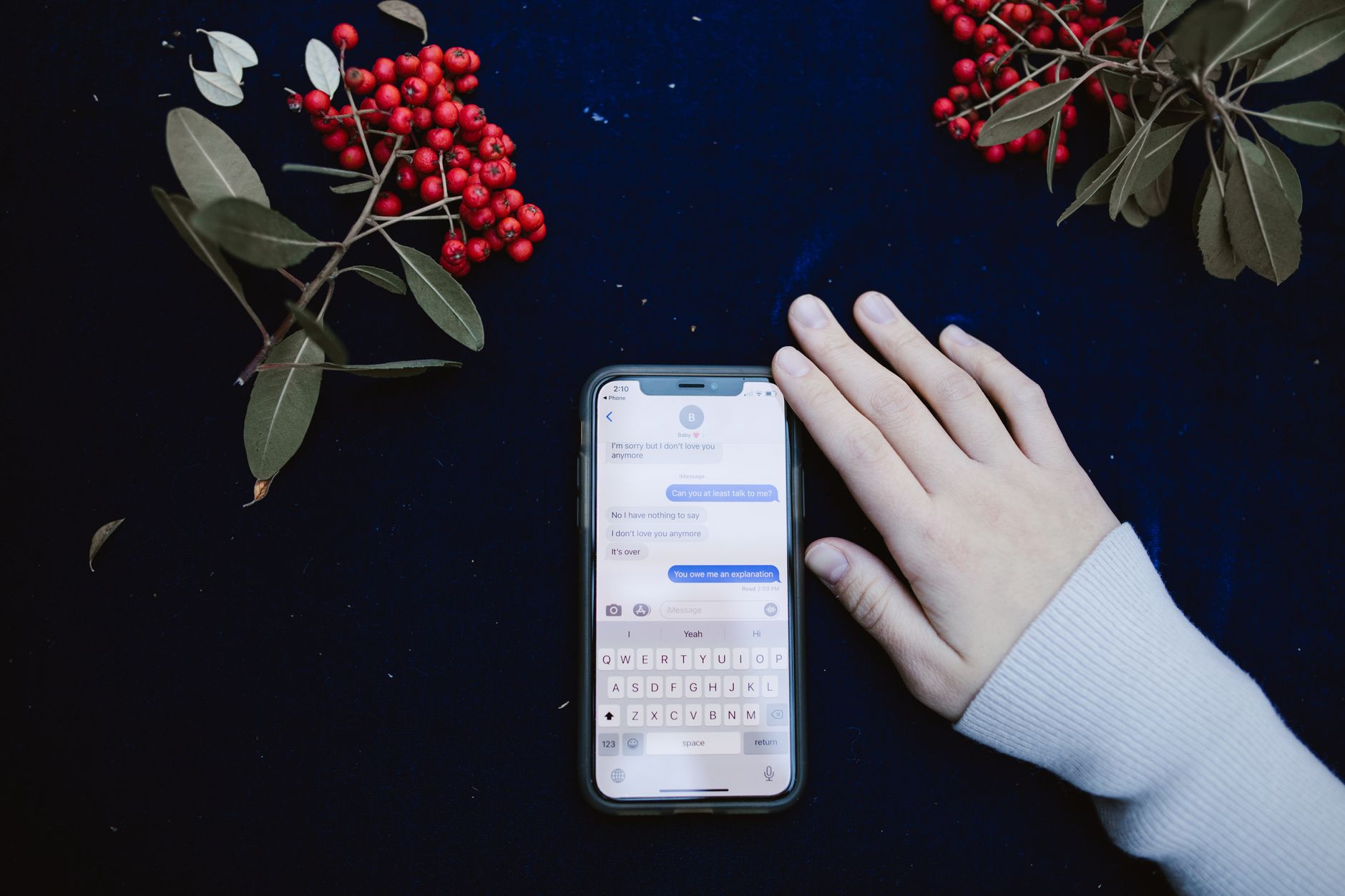
The first text, sold as an NFT
In December 2021, Vodafone sold the original “Merry Christmas” message as an NFT, a one-of-a-kind digital collectible. Vodafone UK auctioned it through the Paris auction house Aguttes, and it sold for €107,000. The money went to UNHCR, the UN Refugee Agency.
Why the text message still matters
- It works on every phone. No app, no account and no internet connection needed. That’s why banks, doctors, airlines and delivery companies still use SMS.
- It carries your login codes. Many sites send two-step verification codes by text. They’re better than a password alone, but authenticator apps and passkeys are safer, because texts can be intercepted or redirected.
- It’s also a scam magnet. Fake delivery and bank texts are some of the most common scams today, so never tap links in unexpected messages.
Not bad for an idea that started with a man counting characters on a typewriter. Want more tech history? Read the history of the microprocessor. And to see how messaging apps are fighting new privacy threats, read how Signal is blocking AI assistants.
Sources: Vodafone, History.com, Windows Central, MoMA, Apple Support, Vodafone UK