Meta has released Muse Spark Open, a new open-weight AI model the company calls the most capable of its kind currently available in the United States. The twist is that Meta built it with Apple hardware in mind, specifically tuning it to run locally on Macs rather than only through cloud servers.
The model packs 816 billion parameters (42 billion active at a time) and a 1 million token context window, and Meta says it outperforms other popular open-weight models on its own evaluation benchmarks. It’s natively multimodal, meaning it can handle more than just text, and Meta has positioned it squarely as a tool for coding and “agentic” tasks, where an AI system plans and executes multi-step work on its own rather than just answering a single prompt.
What makes it different
Most large AI models live entirely in the cloud, which means every request travels to a remote data center and back. Muse Spark Open is designed so that, in theory, it can run directly on a Mac instead. That matters for privacy, since your data and prompts never have to leave your machine, and it can also matter for cost and latency once a model is downloaded and set up.

Being “open-weight” also sets Muse Spark Open apart from closed systems like those from OpenAI or Google. Open-weight models let developers inspect, modify, and self-host the underlying model rather than relying solely on a company’s API, which generally makes them cheaper to run at scale and more flexible for custom use cases. It’s the same general philosophy behind other recent open releases, even as rivals keep pushing their own closed flagship models, such as OpenAI’s GPT-6.1 Sol and Google’s Gemini 4 Argon.
The catch: you need serious hardware
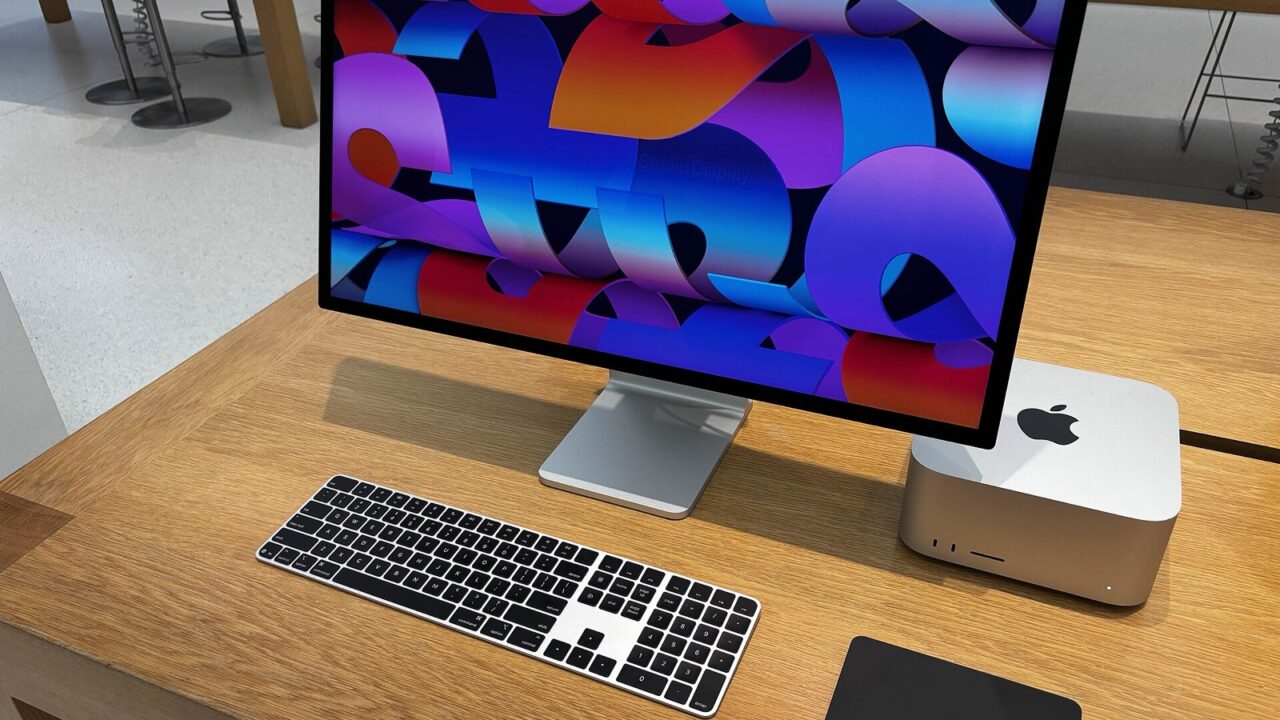
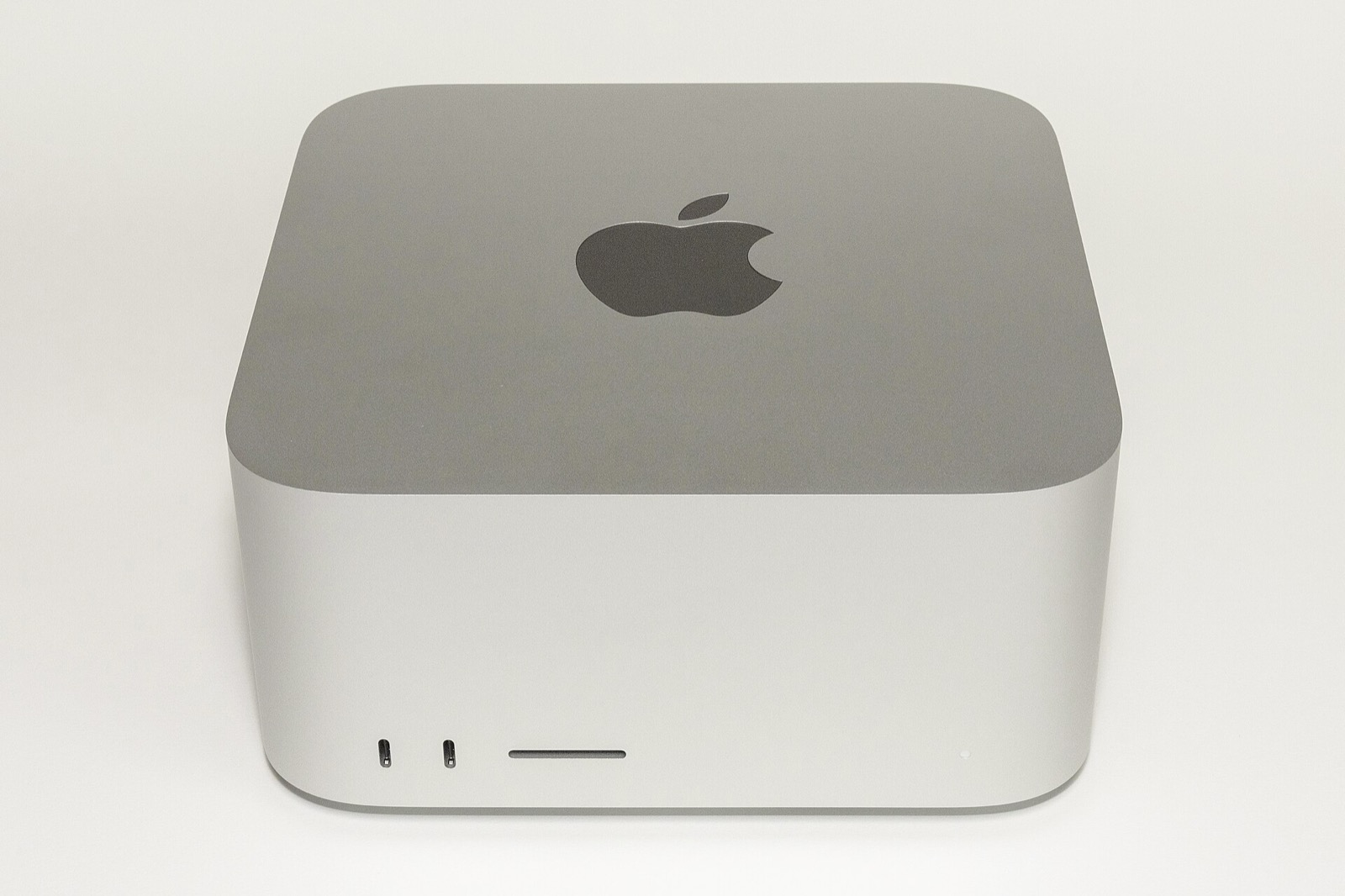
Running Muse Spark Open locally isn’t something most people will be doing on a laptop anytime soon. According to Meta, the model requires at least 1 terabyte of RAM, which in practice means two Mac Studios with Apple’s M5 Ultra chip and 512GB of unified memory each, working together as one machine, or four 256GB models, a setup Engadget puts at roughly $38,000. The 512GB Mac Studio has not shipped yet; Apple says it arrives in late October. That’s an extreme amount of memory by consumer standards, and it puts Muse Spark Open firmly in the territory of power users, developers, and studios rather than everyday Mac owners. It’s also a reminder of just how memory-hungry modern AI workloads have become at a moment when RAM prices and supply are already under pressure.
What Meta says it can actually do
Meta paired Muse Spark Open with Muse Code, its own AI coding terminal, and used it in several demonstrations. In one, the model worked on a Mastodon client, handling bug fixes, adding new features, and producing a full build. In another, Meta had it operate DaVinci Resolve, the professional video editing software, where it was able to review footage and crop clips automatically.
Those examples point to Meta’s main pitch here: Muse Spark Open isn’t meant to be a general chatbot for casual users, but a workhorse for coding tasks and creative software automation, the kind of jobs where an AI agent can save real time for developers and editors if it can reliably follow through on multi-step instructions.
Who should actually pay attention
For the average reader, Muse Spark Open isn’t something you’ll install this week. It’s aimed at developers, AI researchers, and studios with access to high-end Apple hardware or cloud infrastructure capable of hosting an 816-billion-parameter model. Meta is making it available now through a number of API platforms, so even without the local hardware, developers can tap into it remotely. The weights are also free to download from Hugging Face and other model hubs, under a license that allows limited commercial use. Meta worked with Apple on the Mac version, and Apple CEO John Ternus publicly congratulated the team.
What it does signal, though, is a broader push to make heavyweight AI models workable on consumer-grade (if top-tier) hardware rather than exclusively on massive server farms. As Apple silicon keeps scaling up in memory and performance, partnerships like this one suggest future models may increasingly be designed with Mac hardware as a target platform, not just an afterthought.
The bottom line
Muse Spark Open is a notable open-weight release because of its scale, its coding and agentic focus, and its explicit design for Apple hardware, but the 1TB RAM requirement means it’s out of reach for the vast majority of Mac owners today. For now, it’s more of a signal of where high-end local AI is heading than a tool most people can use. Developers with access to a maxed-out Mac Studio, or those willing to use Meta’s APIs, are the ones who stand to try it first.
Sources: TechCrunch, MacRumors, Engadget