Samsung’s push into smart eyewear just got a little more real. Two pairs of Samsung smart glasses have shown up in the FCC database, a regulatory step that products typically clear shortly before they’re formally announced. The filings don’t reveal pricing or a release date, but they confirm that Samsung is moving multiple glasses designs toward market readiness this fall.
What the FCC filings show
According to the listings, Samsung’s smart glasses carry the model numbers SM-O200J and SM-O200P. Each of those base models comes with several additional variants. The SM-O200P family includes four more versions (SM-O201P through SM-O204P), while the SM-O200J family includes five (SM-O201J through SM-O205J). That’s nine distinct model numbers across two product lines, which likely points to different frame styles, colors, or lens options rather than nine wildly different products.

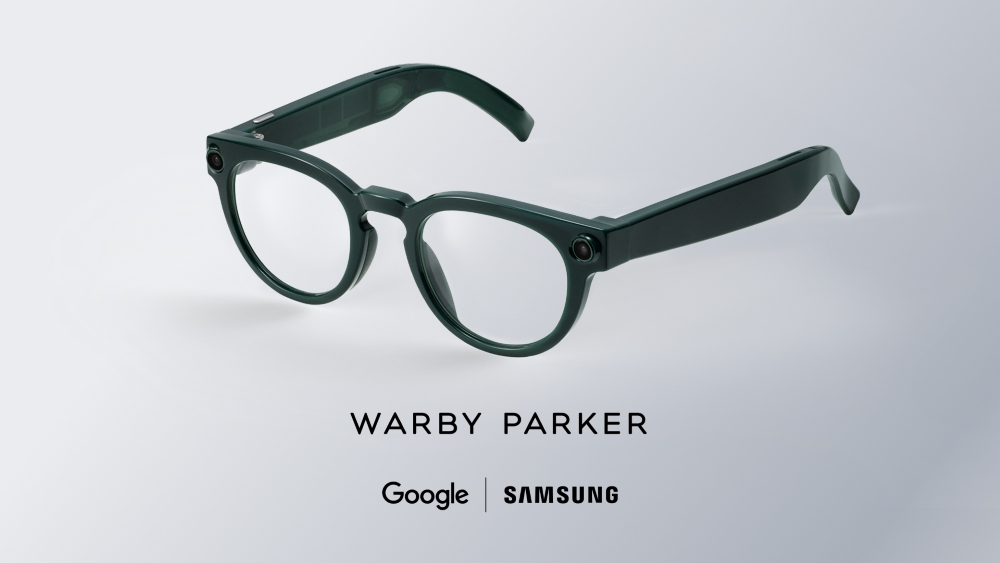
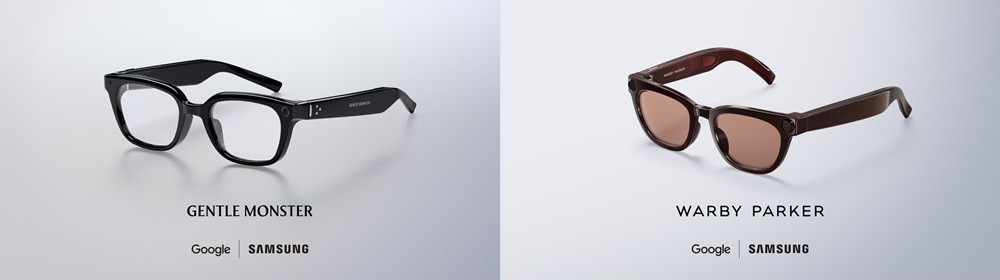
The two base models are believed to correspond to the two design partners Samsung has lined up for this launch. Samsung confirmed over the summer that it’s working with both Warby Parker and Gentle Monster on the physical design of its smart glasses, similar to how Meta partnered with Ray-Ban for its own eyewear. It’s suspected that SM-O200J maps to the Gentle Monster design and SM-O200P to the Warby Parker version, though Samsung hasn’t confirmed which model number belongs to which partner.
Why an FCC listing matters
Regulatory filings like this one don’t guarantee an immediate launch, but they’re a reliable signal that a product is in its final stages before release. Companies typically file with the FCC once hardware design is locked in, since the certification process covers wireless components like Bluetooth and Wi-Fi radios that can’t legally ship in the US without approval. Samsung teased its smart glasses earlier this year during its summer Unpacked event, so this filing fits with earlier reporting that pointed to a fall launch window.
How this fits into the smart glasses market
Samsung is entering a category that Meta has largely defined over the past couple of years. The Meta Ray-Ban Display line has expanded with new software features and markets, giving Meta a real head start in both hardware polish and the software ecosystem around voice assistants, cameras, and AI features built into the glasses. Samsung will need more than just a comparable design to compete; it will need an AI assistant experience, battery life, and display tech (if its glasses include a display at all) that feel genuinely useful day to day rather than gimmicky.
Having two design partners from launch is a notable strategy. Meta’s Ray-Ban collaboration worked in part because Ray-Ban is a recognizable fashion brand with broad appeal. By teaming up with both Warby Parker and Gentle Monster, Samsung appears to be targeting two different audiences and price points right out of the gate, rather than relying on a single look to appeal to everyone.
What’s still unknown
The FCC filing confirms hardware exists and is close to certification, but it doesn’t tell us anything about pricing, the exact feature set, or whether these glasses include a display or are primarily built around audio, cameras and AI voice features. Samsung also hasn’t announced an official launch date. Given the timing of the filing and earlier hints from Samsung’s summer event, an announcement in the coming weeks or months seems plausible, but nothing is confirmed yet.
The bottom line
Samsung’s smart glasses are clearly moving toward a real launch, with FCC paperwork now backing up what the company teased earlier this year. Buyers interested in smart eyewear should expect more concrete details, likely including pricing and release timing, before the end of the year. Until then, this filing is mostly confirmation that Samsung is serious about challenging Meta in a category that’s quickly becoming more competitive.
Source: Android Authority
Where to buy

As an Amazon Associate I earn from qualifying purchases.