
OpenAI’s naming has gotten tangled enough that “ChatGPT vs GPT-6 vs Codex” is now a real question people type into search bars. ChatGPT is the app you open and talk to. GPT-6 is the engine running underneath it. Codex is the coding agent built on top of both. They overlap so much that it’s easy to assume they’re competing products, when really they’re three layers of the same stack. Here’s how each piece works as of October 2026, what changed this year, and which one is actually worth paying for.
What ChatGPT, GPT-6, and Codex Actually Are
ChatGPT is OpenAI’s consumer-facing platform: the chat window, the mobile and desktop apps, and the subscription tiers that let you access everything else. As of October 2026, plans run from free up to Pro, which now comes in three usage tiers — Pro 100, Pro 200, and Pro 500 — priced at $100, $200, and $500 a month. Plus remains $20 a month, and Business is sold per seat. Free and Go users get GPT-5.6 Luna with a 27K to 54K token context window, while Plus and Pro subscribers get GPT-5.6 Sol or GPT-6 with context windows stretching from 128K up to 400K tokens for reasoning tasks.
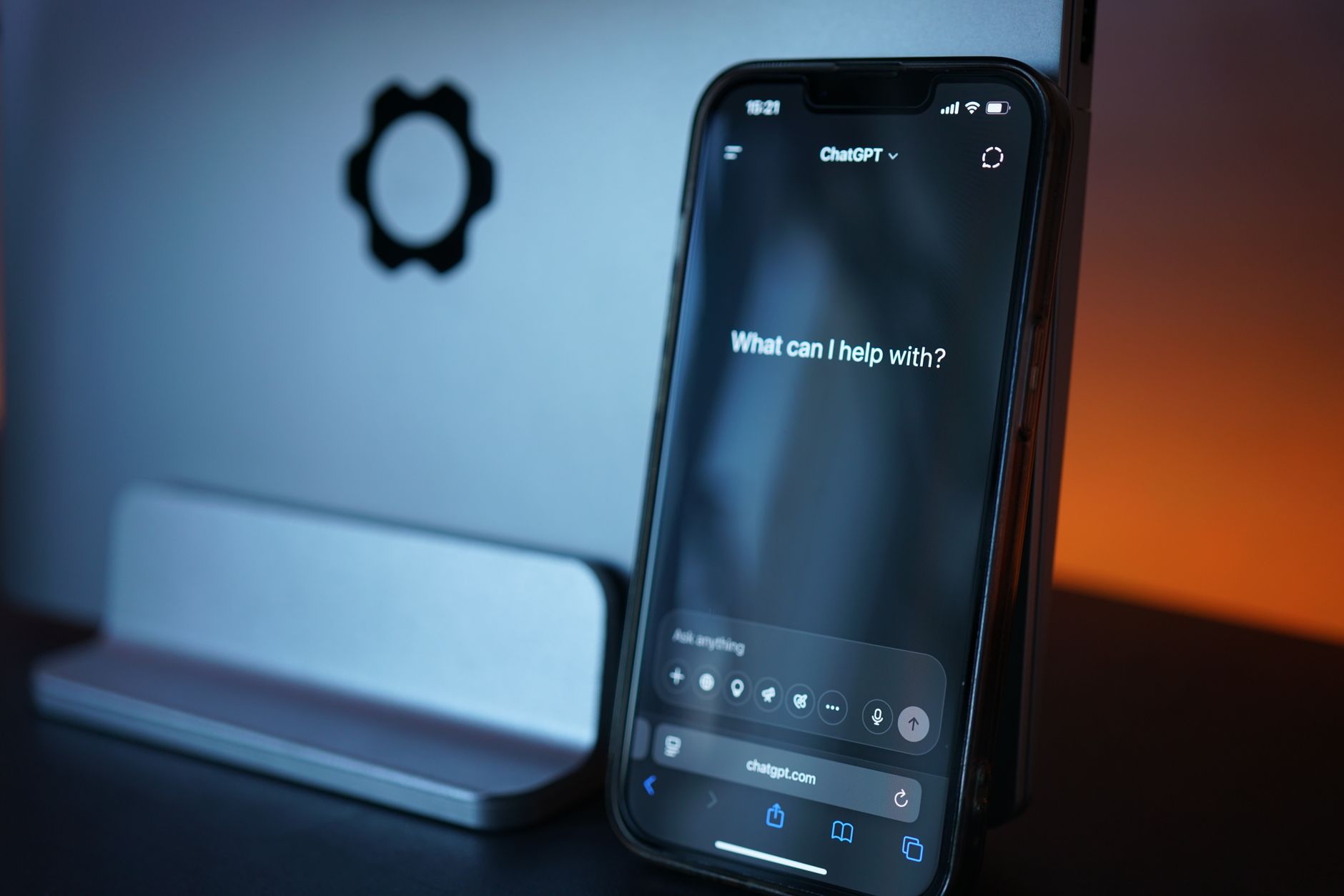
GPT-6 is the actual model family, not an app. It’s what answers your questions, writes your documents, and increasingly operates your computer on your behalf. The flagship, GPT-6 Astra, launched to the public on September 4, 2026, after OpenAI called it “the most intelligent and aligned model in the world” internally. Sol and Luna variants followed on September 22, giving Plus and free-tier users lighter, cheaper versions of the same underlying architecture.
Codex, meanwhile, is OpenAI’s autonomous coding agent. It started life as a separate tool in May 2025, got its own desktop app in February 2026, and was folded directly into the ChatGPT desktop app on July 9, 2026. Each Codex task runs in its own cloud environment preloaded with a user’s repository, where the agent can read and edit files, run tests, and invoke other tools before handing results back for review. It isn’t a separate purchase — it’s bundled into ChatGPT Work and Codex-enabled subscription tiers.
What’s New in 2026
This has been a busy year for all three. On the model side, GPT-6 Astra arrived with a 1,050,000-token context window, 128K max output, and a knowledge cutoff of April 30, 2026, priced on the API at $10 and $50 per million tokens — roughly 2.5 times what GPT-5.6 Sol cost. Internal testing reportedly put Astra past OpenAI’s “Critical” cybersecurity threshold, meaning it can find and exploit vulnerabilities without human help, which is why OpenAI delayed release, added safeguards, and restricted the most sensitive capabilities to a vetted trusted-access program. A refined version, GPT-6.1 Sol, has since rolled out in ChatGPT Work and Codex with improvements to agentic coding, computer use, and professional document work.
On the app side, ChatGPT picked up a steady stream of features: Prism for structured writing and research collaboration, a Scheduled Tasks page for queuing work for specific times of day, audio uploads that turn recordings into transcripts and summaries, a virtual try-on feature for clothes and accessories with a Favorites library, and an expanded Finances tool that gives free and Go users in the U.S. personalized spending and investment insights through secure account connections. OpenAI also introduced Dots, always-on agents powered by GPT-6 Astra with their own cloud computer, rolling out gradually to eligible Pro and Business Premium users 18 and older.
Codex got its own round of upgrades, including Codex Security for flagging software vulnerabilities and an enterprise plugin system that lets organizations bundle workflows and Model Context Protocol server configurations into installable packages managed through private marketplaces. OpenAI reports 20 million active Codex users as of late August 2026, alongside tens of millions of monthly downloads of the open-source Codex CLI.
Key Differences Between ChatGPT, GPT-6, and Codex
The table below lays out how the three compare on the attributes that matter most for buyers.
| Attribute | ChatGPT | GPT-6 | Codex |
|---|---|---|---|
| What it is | Consumer app and subscription platform | Underlying AI model family | Autonomous coding agent |
| Pricing | Free / Go / $20 Plus / $100–$500 Pro / per-seat Business | Bundled with ChatGPT plans; API at $10–$50 per million tokens | Included in ChatGPT Work and Codex-enabled tiers |
| Context window | 27K (Free) up to 400K (Pro reasoning) | Astra: 1,050,000 tokens, 128K max output | Runs within the subscriber’s context limits |
| Latest release | Continuous updates; latest stable build September 25, 2026 | Astra (Sep 3–4), Sol and Luna (Sep 22), GPT-6.1 Sol since | Merged into ChatGPT desktop July 9, 2026 |
| Platforms | Web, iOS, Android, macOS, Windows, iPadOS | Accessed via ChatGPT apps or API | ChatGPT desktop app plus standalone Codex CLI |
| Notable restriction | Usage limits scale with plan tier | Advanced cybersecurity capabilities gated to vetted organizations | Runs inside an isolated cloud sandbox per task |
Who Should Use What (and Who Shouldn’t Bother)
If you just want a smarter version of search and a writing assistant, ChatGPT’s free or Go tier covers most casual needs now that GPT-5.6 Luna handles unlimited text chats. Plus, at $20 a month, is the sensible upgrade for anyone who wants GPT-5.6 Sol’s adjustable thinking slider or occasional GPT-6 access in Work and Codex without committing to a Pro-level bill.
Power users doing heavy research, document generation, or multi-step professional work are the ones who benefit from a Pro tier and direct GPT-6 access, since the jump in context window (up to 400K tokens for reasoning) and output quality is where Astra’s improvements actually show up. Developers and teams managing real codebases are the clear audience for Codex: its sandboxed execution, test running, and now Codex Security scanning solve problems that a general chatbot simply isn’t built for. If you don’t write or review code regularly, Codex isn’t something you need to seek out separately — it’s just along for the ride in your existing subscription.
One group that should hold off: anyone expecting unrestricted use of GPT-6 Astra’s most advanced capabilities. The cybersecurity-adjacent features are deliberately locked behind a trusted-access program, so general subscribers won’t get the full picture of what Astra can do until OpenAI loosens that gate.
The Bottom Line
ChatGPT, GPT-6, and Codex aren’t three competing products — they’re the app, the brain, and the specialist agent that make up one system. Casual users can stay on Free or Plus and barely notice the model underneath changing. Professionals leaning on deep research or document work get real value from stepping up to Pro and GPT-6 directly. Developers get the most obvious new capability this year, with Codex now built into the main ChatGPT app and backed by its own security tooling. None of it requires buying anything separately, which at least keeps the decision simple: pick the ChatGPT plan that matches how much horsepower you actually need, and Codex comes along for free if your work involves code.
Sources: Wikipedia, ai-toolbox.co, releasebot.io, help.openai.com, aiinsider.in, suprmind.ai
Where to buy
As an Amazon Associate I earn from qualifying purchases.