The global smartphone market just had its worst quarter on record, and the fallout is reshuffling the leaderboard. According to preliminary data from research firm IDC, global smartphone shipments Q3 2026 fell 22% year over year, a drop the firm says is in line with the downward trend it has been tracking across regional markets. The reason isn’t a lack of demand for new phones; it’s the ongoing memory shortage that has made every chip and module inside a device dramatically more expensive to source.
Samsung still leads, but barely
Samsung held on to the number one spot with 57.8 million units shipped, good for a 22.6% share of the market, but that total was down 5.8% compared to the same period last year. Apple came in second with 57.3 million iPhones shipped, meaning the gap between the two companies shrank to just 500,000 units and 0.2 percentage points of market share. The gap narrowed not because Apple grew, but because it shrank less than everyone else.
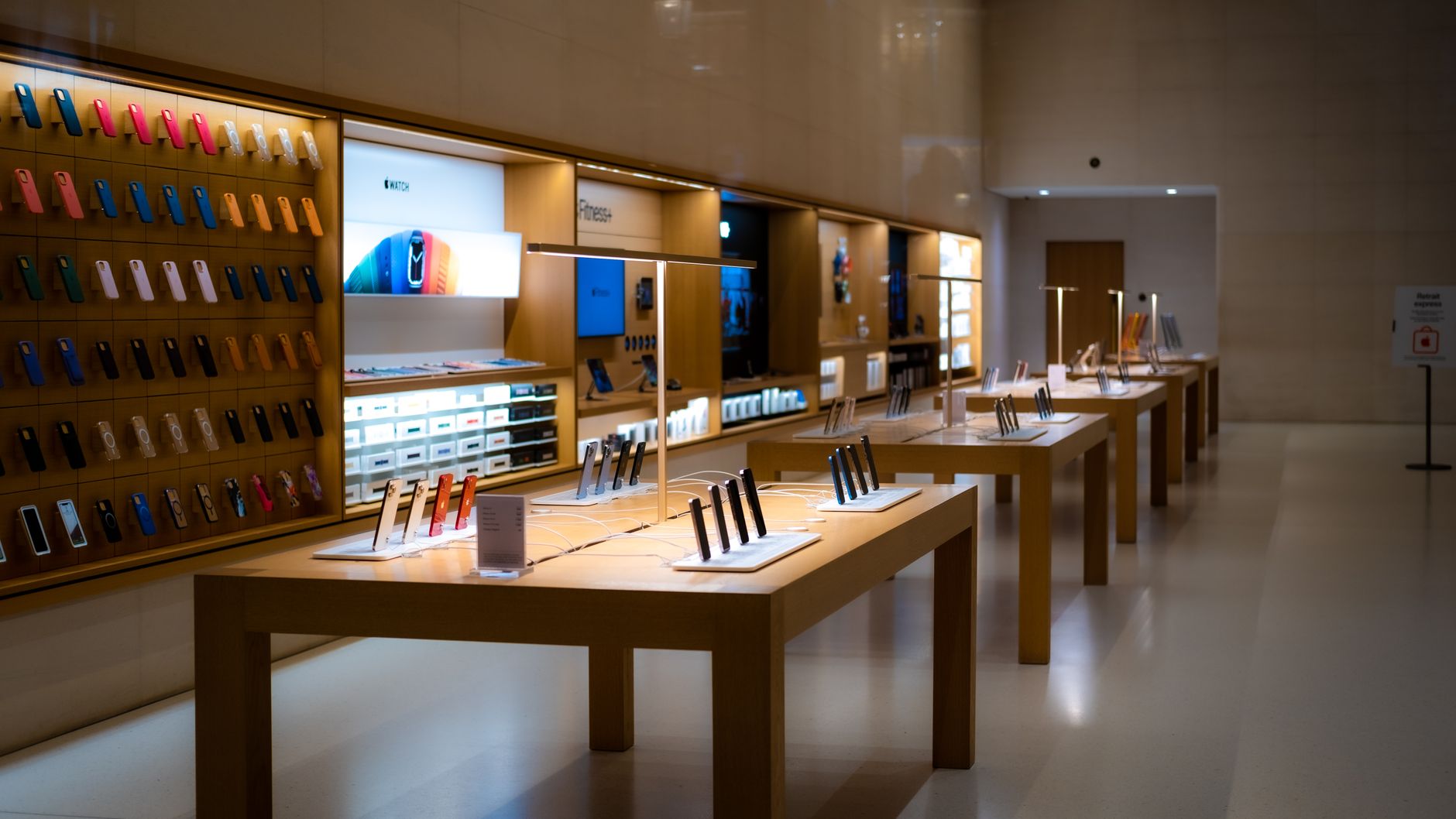
IDC’s top five also included Xiaomi, OPPO, and vivo, and the spread between the winners and losers in this downturn was stark. OPPO posted the steepest decline among the major brands at 34.5% year over year, while Apple’s 4% drop in iPhone shipments was the smallest of the group. Brands that lean more heavily on budget and mid-range devices appear to be absorbing a much bigger share of the pain, since those segments have far thinner margins to begin with.
Why memory is driving the whole downturn
The common thread across these numbers is the memory shortage that has been squeezing device makers all year. Nabila Popal, IDC’s senior research director for Worldwide Devices, said the sharp downturn the industry had been bracing for finally arrived in the third quarter, and warned that the market likely hasn’t bottomed out yet. Per Popal, memory costs have surged roughly 350% since last year and are still climbing, even though the pace of that inflation is starting to cool. Q3 saw a low double-digit sequential increase in memory costs, compared with sequential jumps of 50% to 100% in prior quarters. Other components are still getting more expensive too, which keeps compounding the pressure on vendor margins.
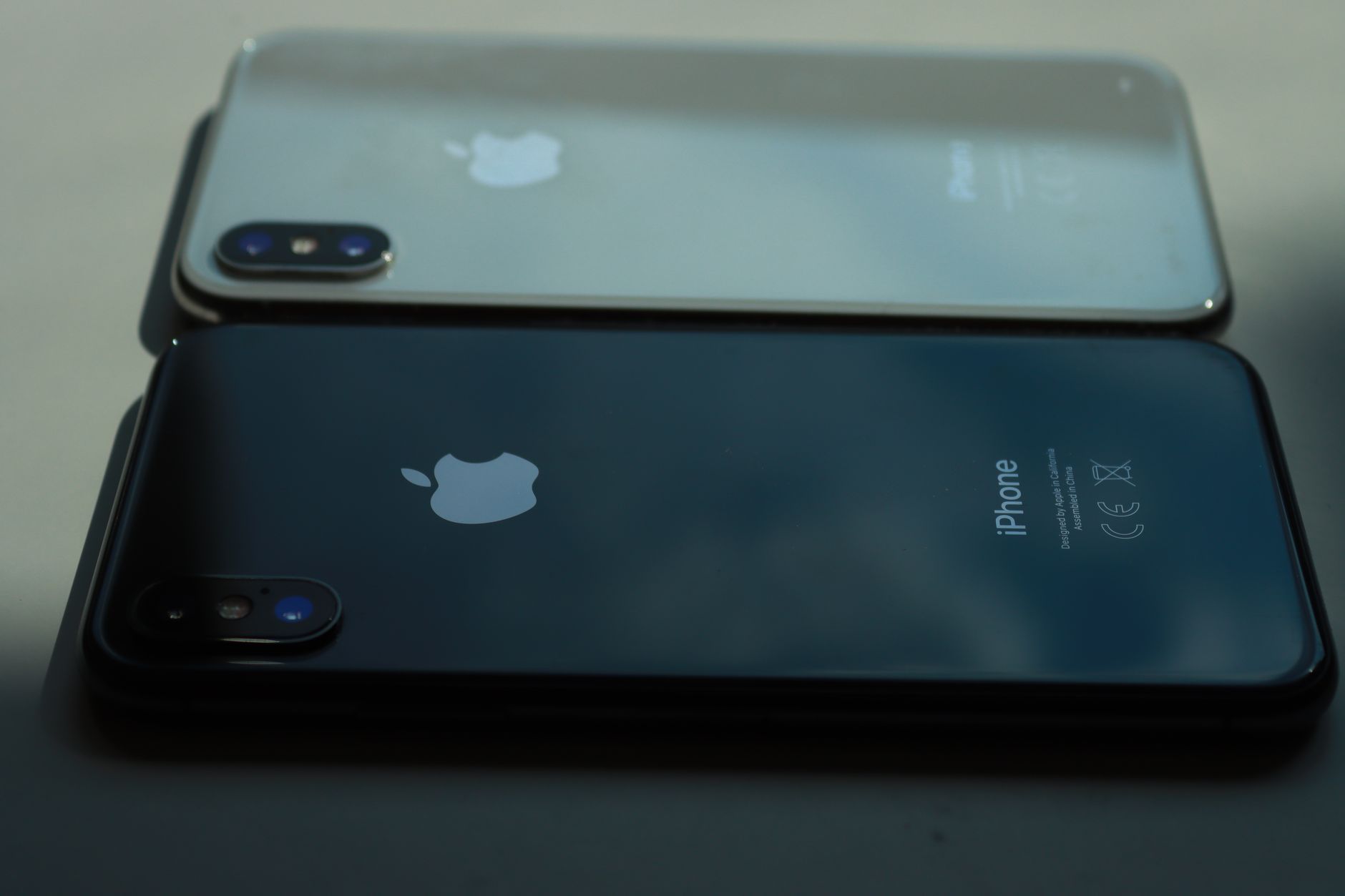
For a company like Apple, which prices iPhones at a premium and has more room to absorb rising component costs, that pressure shows up as a modest decline. For brands competing hard on price in entry-level and mid-range segments, the same cost increases can translate into shipment drops several times larger, because there’s far less margin to cushion the blow before retail prices have to move or production has to be trimmed back.
Apple’s gains look even bigger in China
IDC’s global report arrived just two days after the firm released separate preliminary numbers for the Chinese smartphone market, and the pattern there was similar. Apple’s share of shipments in China climbed from 15.8% to 17.8% year over year, even though iPhone shipments in the country still fell 4.3%. In other words, Apple is shrinking slower than the overall Chinese market is shrinking, which is enough to grow its share even with fewer phones sold. It’s a useful reminder that market share and shipment volume can move in different directions during a downturn like this one.
What this means for buyers
None of this is purely academic for shoppers. Manufacturers facing squeezed margins have fewer options: raise prices, cut specs, or scale back production, and all three tend to show up eventually in what’s on store shelves. Apple has already trimmed iPhone 18 Pro orders amid a price hike this cycle, a sign that even a company with Apple’s pricing power isn’t fully insulated from the memory squeeze. If the shortage keeps worsening through the holiday quarter as Popal suggests it might, buyers could see fewer discounts and brands leaning harder into their most profitable models.
The bottom line
A 22% year-over-year drop in global smartphone shipments is a significant signal, and it’s one more data point showing how deeply the memory shortage is reshaping consumer electronics in 2026. Samsung remains on top for now, but Apple’s smaller decline has it within striking distance, and its growing share in China shows the same dynamic playing out at a regional level. For buyers, the practical takeaway is that pricing and availability pressures across the phone market are likely to continue, at least until memory costs stop climbing.
Source: 9to5Mac
Where to buy
As an Amazon Associate I earn from qualifying purchases.