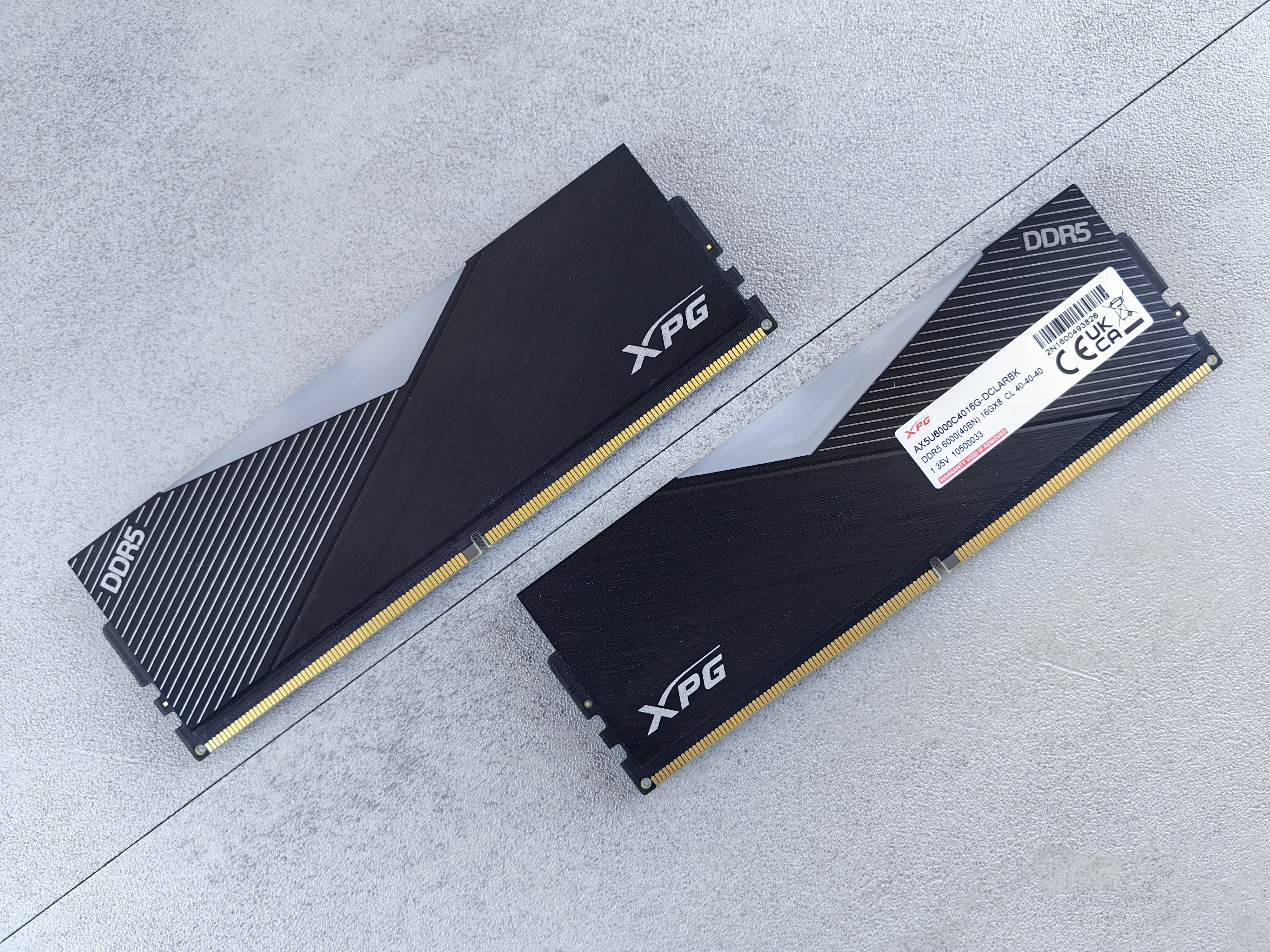
If you’ve priced a new PC lately, you’ve noticed: RAM is suddenly one of the most expensive parts of the build. DDR5 memory that was cheap a year and a half ago now costs several times more, and the same shortage is pushing up prices of phones, game consoles and laptops. Here’s why DDR5 RAM is so expensive in 2026, how long it could last, and what you can do about it if you need to build or upgrade now.
How much have RAM prices gone up?
The jump started in late 2025 and it was dramatic. According to Tom’s Hardware, citing DRAMeXchange data, the average spot price of a single 16Gb DDR5 memory chip was $6.84 on September 20, 2025. By December 1, it had reached $27.20. At that price, Tom’s Hardware calculated that the memory chips alone for one 16GB module cost around $218, before the module maker adds its own costs and margin.
A year later, prices are still high. On November 10, 2026, Tom’s Hardware put the current low price for a 32GB DDR5 kit at about $440. Even DDR4, the previous generation, has climbed: the same outlet called a 32GB DDR4-3200 kit for $209.99 a rare sale.
Why DDR5 is so expensive: AI is eating the memory supply
The main reason is artificial intelligence. AI accelerators like Nvidia’s data center GPUs use a special type of memory called HBM (high bandwidth memory). HBM is built from the same DRAM manufacturing capacity as the DDR5 in your PC, but it uses larger memory dies. Memory makers have been shifting more and more of their factories to HBM, which leaves less capacity for regular DDR5 and LPDDR memory.
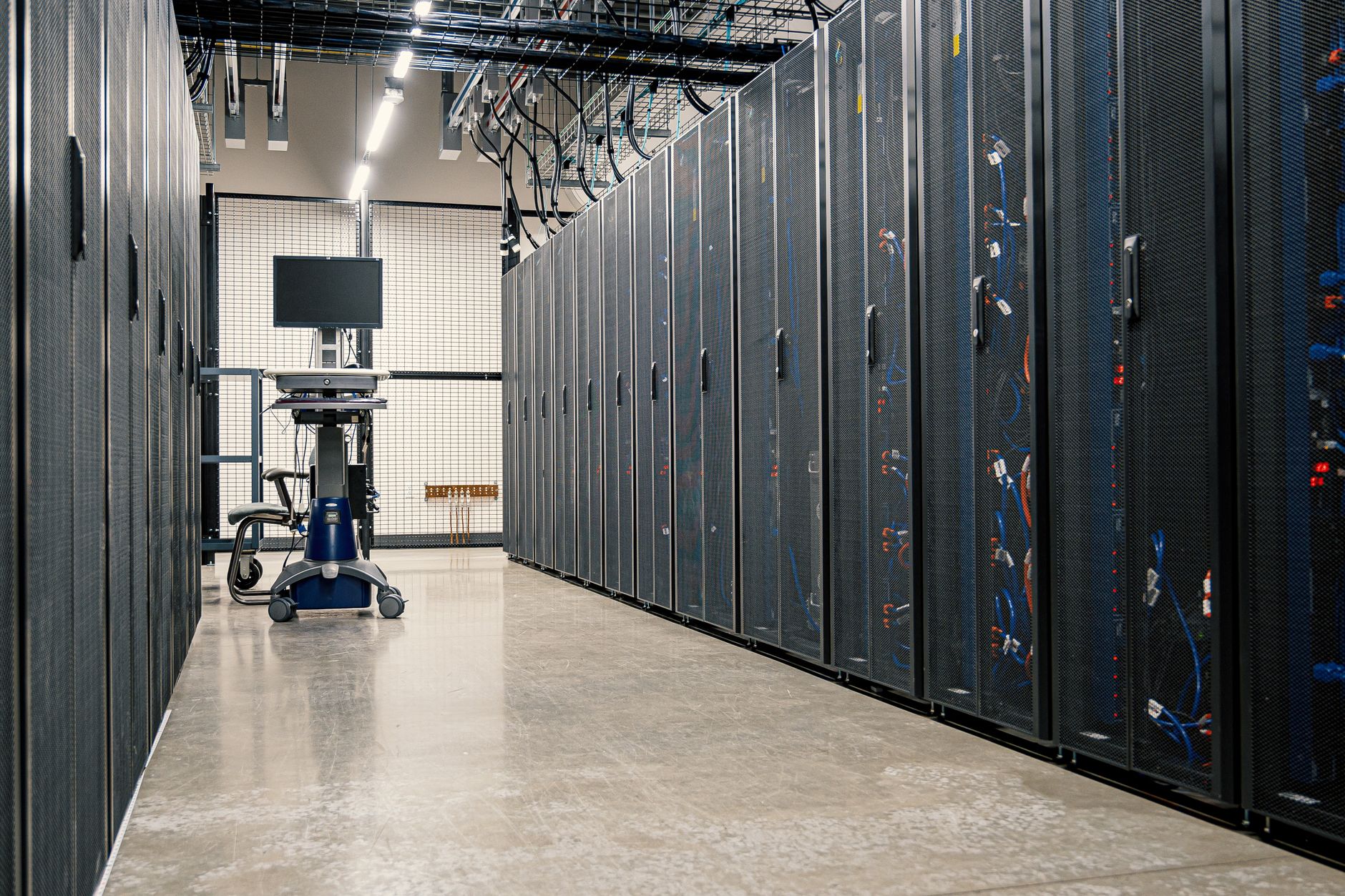
The biggest buyers make it worse. Cloud giants like Amazon, Google and Microsoft tend to reserve memory supply years in advance, so as Tom’s Hardware explains, at some point memory makers simply don’t have enough capacity left for everyday PCs and phones. Those large contracts get priority over the consumer market.
Fewer companies are selling RAM to consumers
On December 3, 2025, Micron announced that it was leaving the Crucial consumer business after 29 years. Crucial-branded RAM and SSDs stopped shipping to stores at the end of February 2026, and Micron said it would redirect that capacity to data center and enterprise customers, the faster-growing parts of its business. Existing Crucial products keep their warranty support. With one of the three big memory chip makers out of retail, PC builders lost a popular and usually affordable brand.
DDR5 also costs more to make
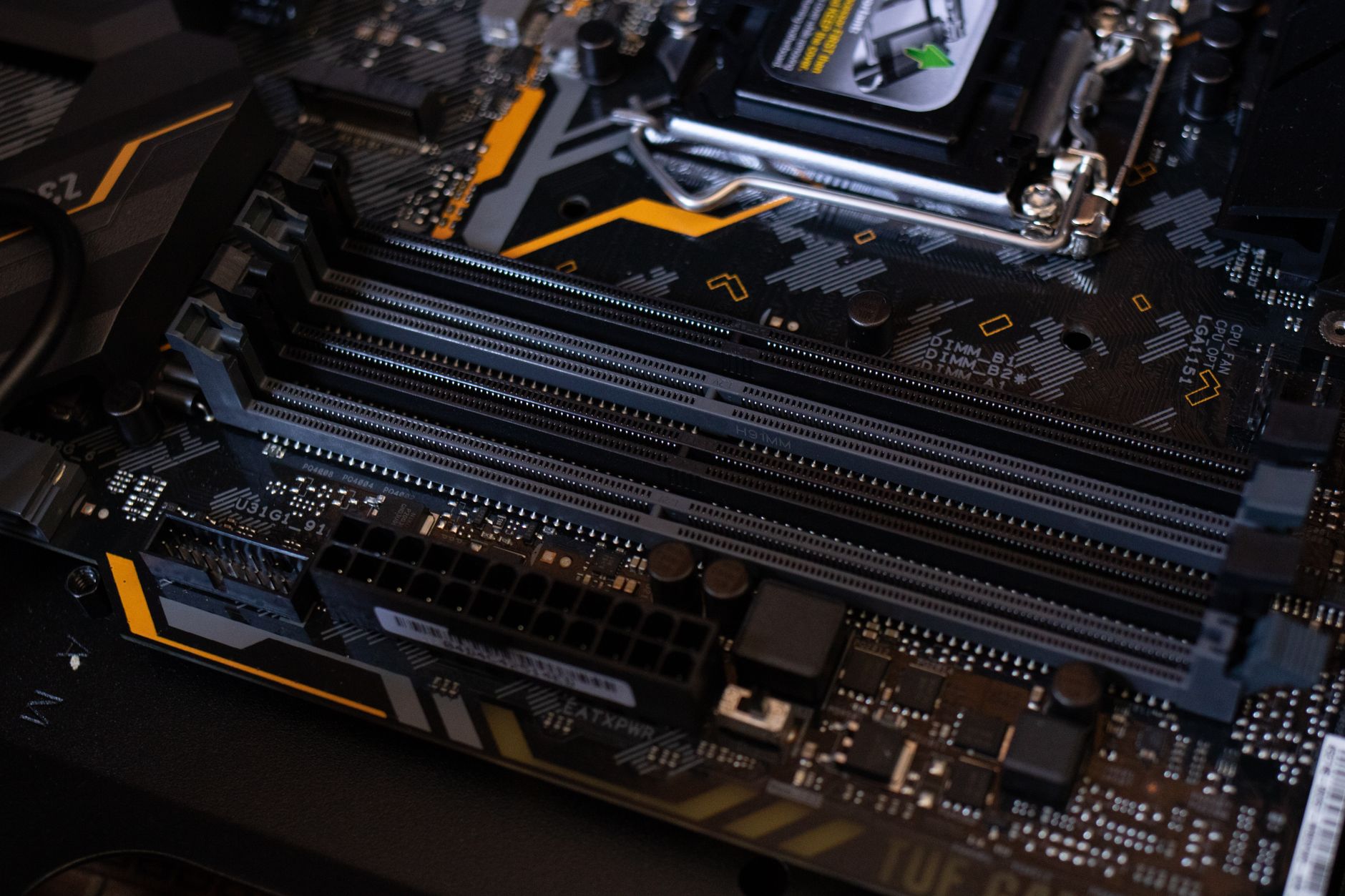
Even before the shortage, DDR5 modules were more complex than DDR4. Each DDR5 stick has its own power management chip (PMIC) on the module, where DDR4 left power regulation to the motherboard. That extra hardware adds a little cost to every module, but it’s a small factor next to the supply crunch.
The shortage is hitting more than PCs
Memory is in almost every device, so the price spike spreads. In November 2026, TrendForce reported that budget smartphone makers are increasingly using “reballed” memory: chips salvaged from old devices and soldered onto new ones. It estimates about 3% to 4% of budget phones use it today, rising to 7% to 9% in 2027. Console makers are feeling it too: Nintendo cited higher memory costs when it raised the price of the Switch 2, as we covered in our story on falling Switch 2 sales.
When will RAM prices go down?
Not soon, according to the industry. In late 2025, the general manager of memory maker TeamGroup said shortages could extend into late 2027 and possibly beyond. And TrendForce now expects DRAM prices to rise even further in the first quarter of 2027.
The real fix is more factories, and those take time. Tom’s Hardware notes that a new memory fab takes at least three years to build, so one started today would come online in late 2028 at the earliest and wouldn’t be fully running until 2029.
What to do if you need RAM now
- Buy only what you need. 16GB is still enough for everyday use and most games, while 32GB makes the most sense for heavy multitasking, video editing and the most demanding games. Our budget gaming PC build and mid-range build show how RAM fits into a real budget today.
- Consider a DDR4 platform. DDR4 has risen too, but it’s still cheaper than DDR5. Chipmakers have noticed: Intel has new CPUs for DDR4 sockets, and AMD is bringing back the Ryzen 7 5800X3D for AM4 systems.
- Look at bundles. CPU, motherboard and RAM combos sometimes price the memory well below buying it alone.
- Check before you buy a laptop. Many laptops have soldered RAM that can’t be upgraded later, so choose the amount you need up front. Our laptop buying guide explains what to look for.
- Make the most of what you have. If you’re stuck with 8GB for now, here’s how Windows 11 is improving performance on 8GB PCs.
The bottom line
DDR5 is expensive because the AI boom has turned memory into a scarce resource: factories are prioritizing HBM for data centers, the biggest buyers lock in supply years ahead, and one major brand has left the consumer market. Industry forecasts don’t see real relief before late 2027, so if you need a PC now, buy only the memory you need and compare bundles and DDR4 options before you buy.
Sources: Tom’s Hardware: TeamGroup on the RAM pricing crisis, Tom’s Hardware: TrendForce on reballed memory, Tom’s Hardware: current DDR5 prices, StorageReview: Micron exits the Crucial consumer business
Where to buy
- 32GB DDR5-6000 kits (2 x 16GB): check price on Amazon
- 16GB DDR5 kits: check price on Amazon
- 32GB DDR4-3200 kits (for AM4 and older Intel PCs): check price on Amazon
As an Amazon Associate I earn from qualifying purchases.