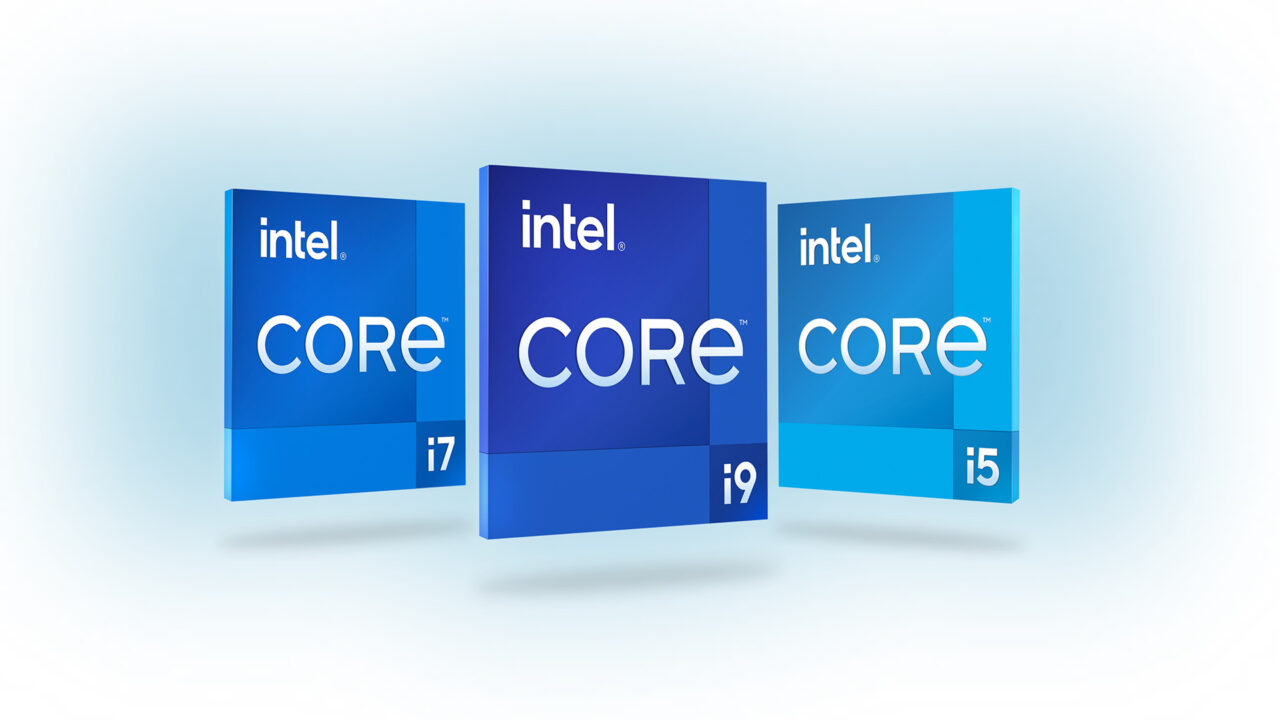
Intel is reportedly preparing new CPUs that will drop into the aging LGA 1700 socket, according to motherboard maker Gigabyte, and the reason comes down to one thing: memory prices. With DDR5 costs still climbing thanks to the ongoing AI-fueled RAM shortage, Intel appears to be leaning on a socket that can still run cheaper DDR4 memory instead.
What’s reportedly happening
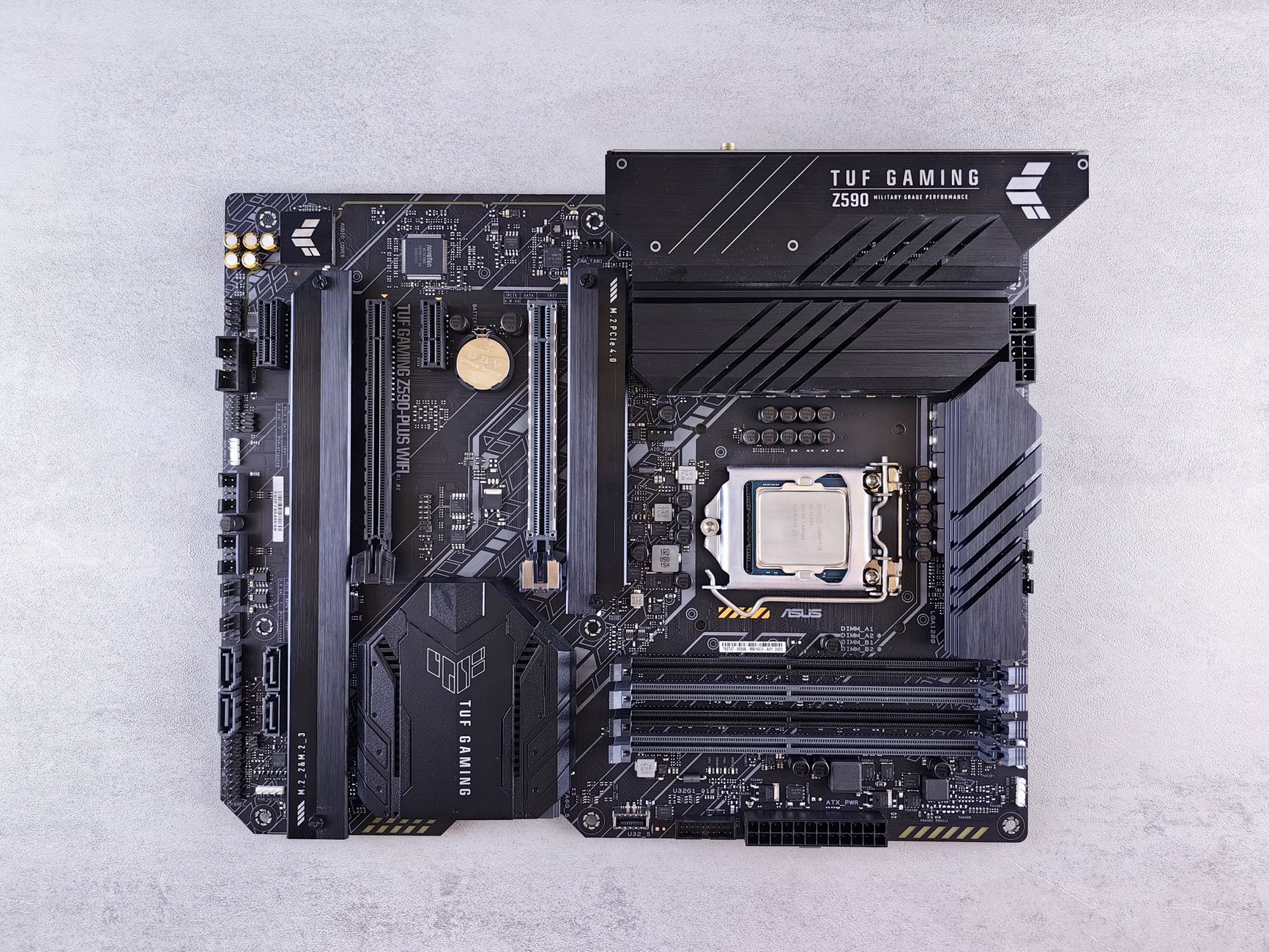
According to a PC Gamer report citing Gigabyte, Intel is set to release refreshed Raptor Lake and Alder Lake processors next year, built for LGA 1700, a socket that has been around since 2021. That’s unusually old for a new chip launch, but LGA 1700’s one major advantage is that it supports both DDR5 and DDR4 memory, unlike newer Intel sockets that are DDR5-only. The working theory is that these upcoming chips will be configurable with DDR4 RAM, giving buyers a way to build a new PC without paying current DDR5 prices.
Why DDR4 suddenly matters again
The timing lines up with a memory market that has gone haywire. A 32GB DDR4 kit currently runs around $210, while a comparable 32GB DDR5 kit costs upwards of $480. The same memory squeeze has been linked to the recent drop in PC shipments. For anyone assembling a budget or mid-range system right now, that price difference is hard to ignore.
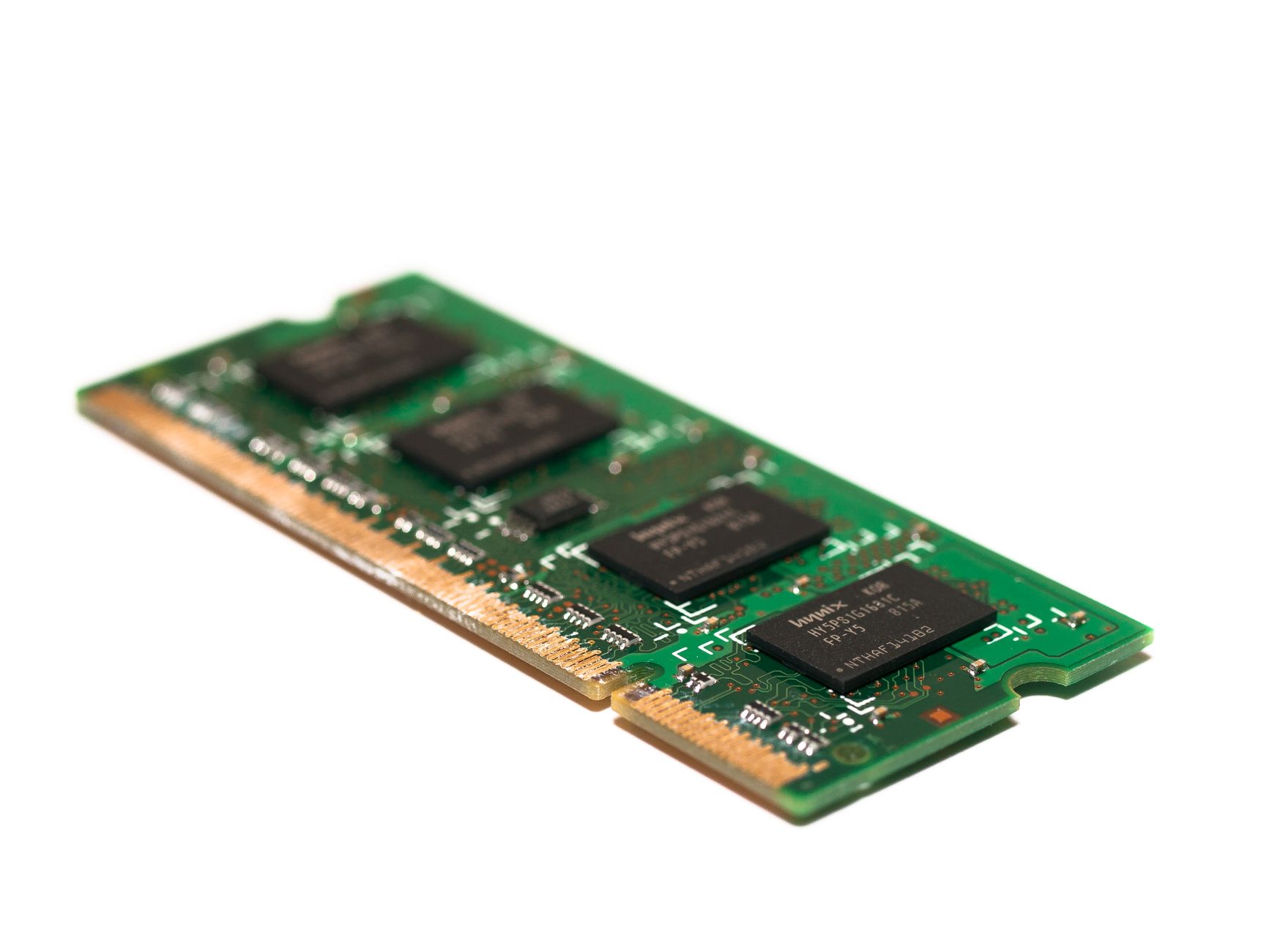
Intel hasn’t confirmed the DDR4 plan outright, but VP Robert Hallock recently said Raptor Lake chips are sticking around for “years to come,” and pointed to DDR4 support as a key reason. “LGA 1700 is still a good socket. Lots of people are still interested in DDR4, so we’ll keep offering,” he said. That’s about as close to an admission as it gets without an official announcement.
This isn’t exactly new territory for Intel
Many of Intel’s current processors already support DDR4 configurations, so extending that compatibility to new chips isn’t a huge technical leap. It’s also not a step backward in performance as much as it might sound. Testing has generally shown DDR5 delivering only a 1 to 10 percent frame rate improvement over DDR4 in games, and that gap depends heavily on resolution and which GPU is doing the heavy lifting. For most mainstream gamers and everyday users, DDR4 is still perfectly capable. If you’re unsure which type your current system uses, our guide on how to check what RAM your PC has walks through it, and our DDR4 vs DDR5 comparison covers the practical differences.
What it means for buyers
If this plays out as reported, it gives budget-conscious builders and upgraders a real escape hatch from DDR5 pricing without having to compromise much on actual gaming performance. It could also extend the useful life of the LGA 1700 platform well beyond what most people expected when Intel moved on to newer socket designs. For anyone currently nursing an older Intel build, or shopping for a new one on a budget, keeping an eye on official announcements here is worthwhile before committing to a DDR5-only platform at today’s prices.
The bottom line
None of this is confirmed by Intel directly, and specifics like model names, exact specs, or a firm release date haven’t been laid out. But the signals, a motherboard partner’s documentation and a VP’s own comments about keeping LGA 1700 alive, point in the same direction: Intel sees DDR4 as a practical lifeline while memory prices stay inflated. For buyers watching their budgets, that’s a welcome option rather than a step backward.
Source: Engadget
Where to buy
- Intel Core i5-13600K Processor: check price on Amazon
- 32GB DDR4 3200MHz RAM Kit: check price on Amazon
- LGA 1700 ATX Motherboard: check price on Amazon
As an Amazon Associate I earn from qualifying purchases.