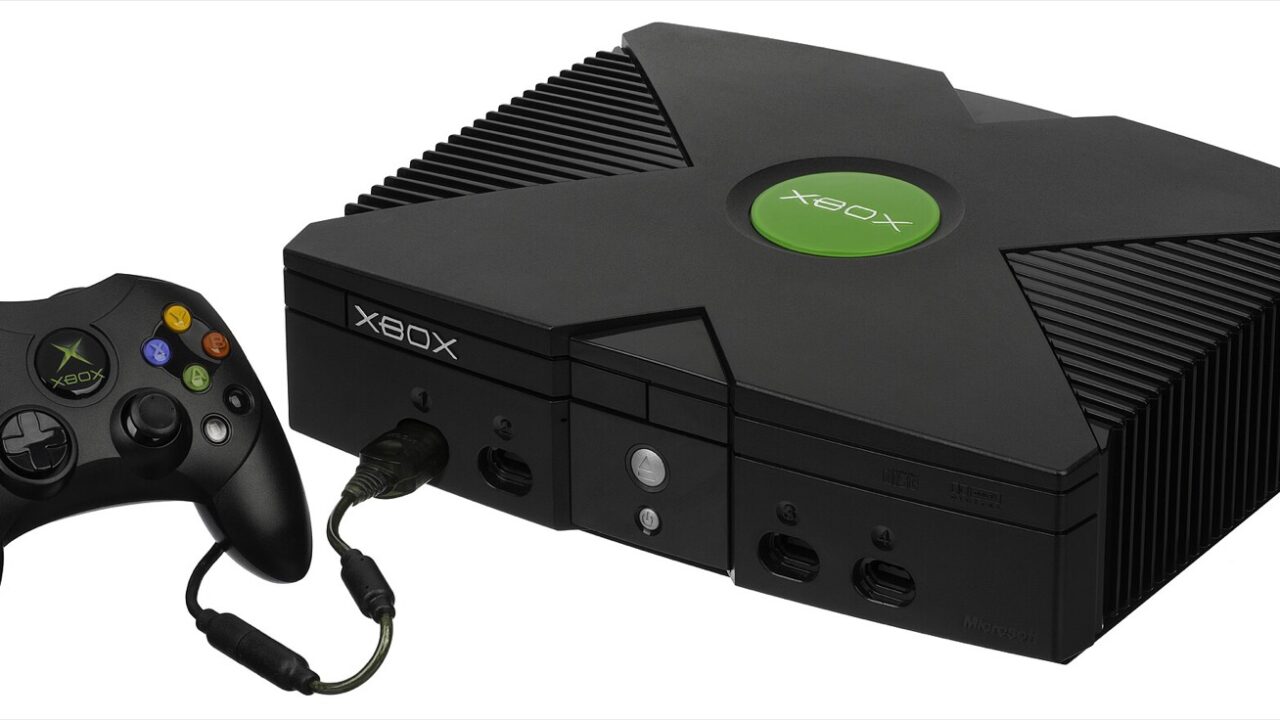
On November 15, 2001, Microsoft launched the Xbox in North America for $299. It was a huge black box with a glowing green jewel, built from PC parts, and it came with a launch game called Halo. Few people expected a software company to survive in a market ruled by Sony and Nintendo. Twenty-five years later, Xbox has built four generations of consoles, with a fifth on the way, and Microsoft says its games reach more than a billion players every year. Here’s the history of Xbox, from a secret project to one of the biggest names in gaming.
How it started: the “DirectX Box”
In 1998, four engineers on Microsoft’s DirectX team, Kevin Bachus, Seamus Blackley, Ted Hase and team leader Otto Berkes, started discussing a game console built on the technology Windows used for games. Bill Gates saw Sony’s upcoming PlayStation 2 as a threat to the Windows PC, so the idea found support at the top. The project was codenamed “Midway,” after the World War II battle, a sign of how badly Microsoft wanted to beat Sony.
The team built its first prototypes from the internal parts of Dell computers. A rival group from WebTV wanted a simpler appliance running Windows CE, but the DirectX engineers argued for standard PC hardware, including a hard drive. Ed Fries, the head of Microsoft’s games division, backed them. Gates announced the console at the Game Developers Conference on March 10, 2000, and unveiled it on stage with Dwayne “The Rock” Johnson at CES on January 3, 2001.
Microsoft also needed games. In June 2000 it bought Bungie, the studio behind Halo: Combat Evolved, and turned Halo from a computer game into an Xbox launch exclusive.
The first product: the original Xbox
The Xbox went on sale at midnight on November 15, 2001, three days before Nintendo’s GameCube. Bill Gates personally sold the first console at the new Toys “R” Us store in New York’s Times Square. Inside, it was essentially a PC:
- CPU: a custom 733 MHz Intel Pentium III.
- GPU: Nvidia’s 233 MHz NV2A, based on the GeForce 3.
- Memory and storage: 64 MB of DDR memory, a DVD drive and an 8 GB hard drive, making it the first console with a built-in hard disk.
- Online: a built-in Ethernet port, at a time when, according to Xbox, 9 in 10 households still used dial-up.
Launch games included Halo, Project Gotham Racing and Dead or Alive 3. Microsoft sold 1.5 million Xboxes before the end of 2001.
Key moments
- November 15, 2002: Xbox Live launches exactly one year after the console, with friend lists and matchmaking. It signs up 100,000 subscribers in its first week.
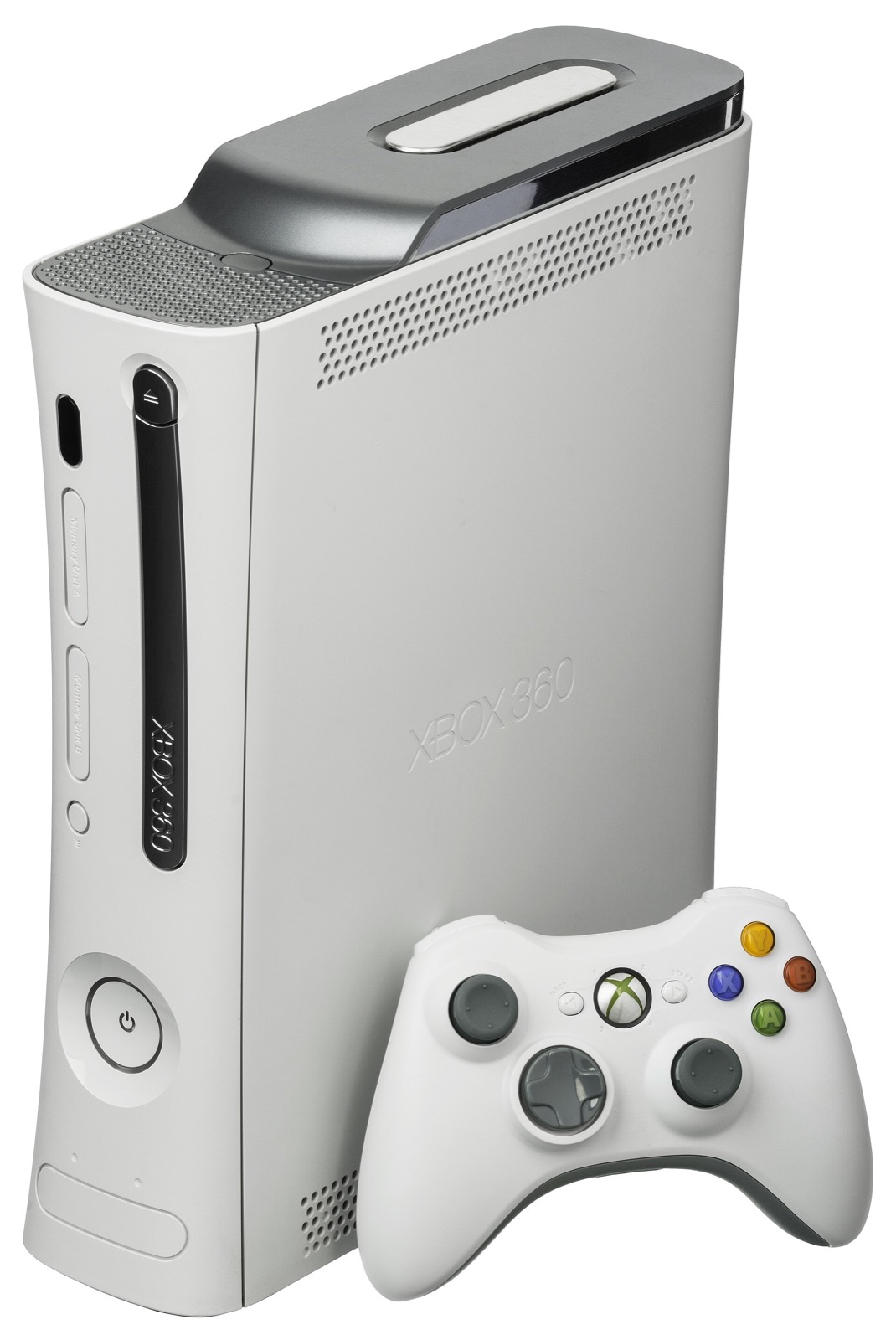
- November 22, 2005: the Xbox 360 arrives in North America, the first console of its generation.
- July 2007: Microsoft extends the Xbox 360 warranty to three years for the “Red Ring of Death” hardware failure, a fix that cost $1.15 billion.
- November 4, 2010: Kinect launches. It sells an estimated 8 million units in 60 days and earns a Guinness World Record as the fastest-selling consumer electronics device.
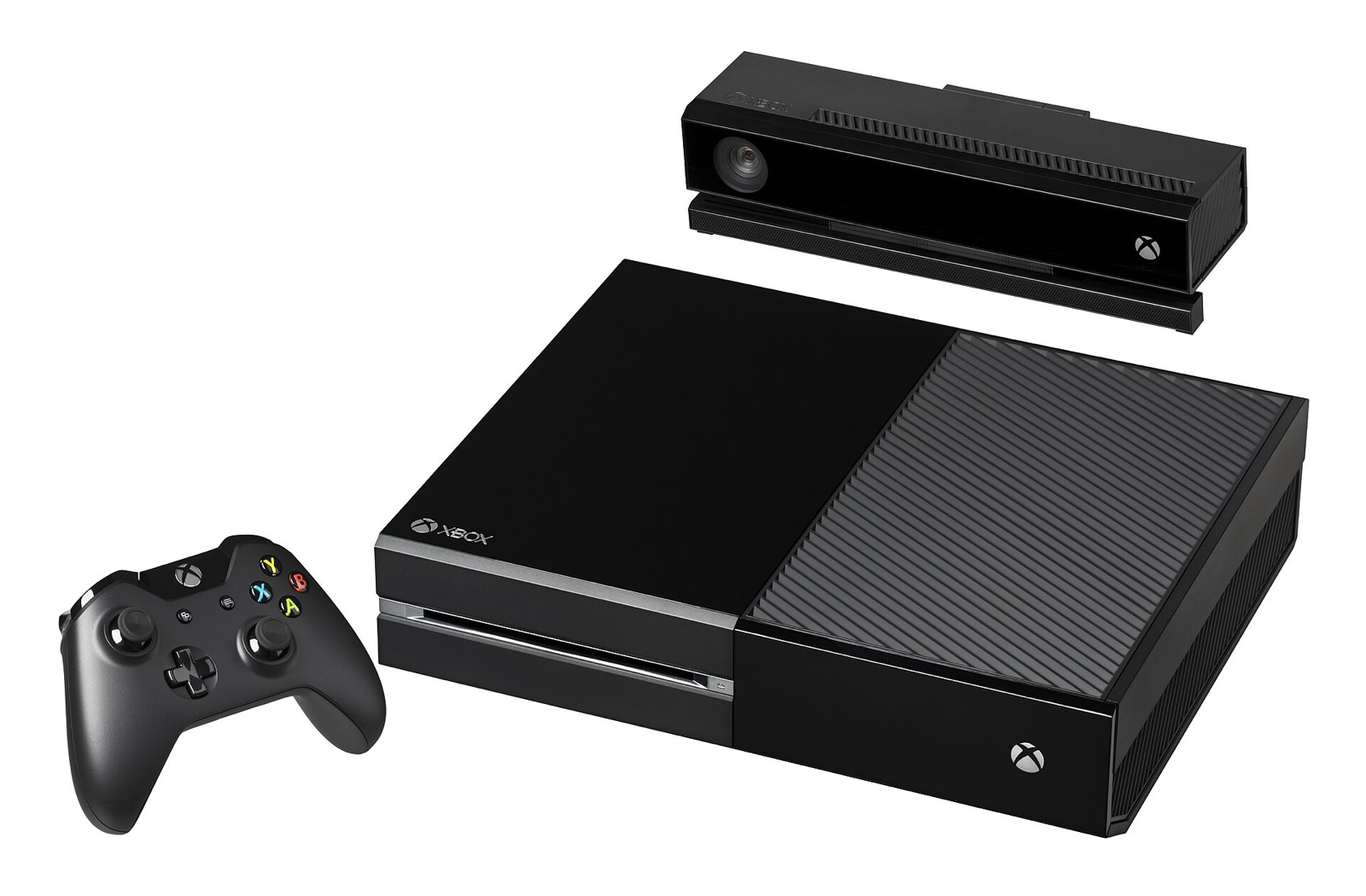
- November 22, 2013: the Xbox One launches, months after Microsoft dropped its unpopular plans for used-game restrictions and an always-online requirement.
- June 1, 2017: Xbox Game Pass launches, a subscription for playing a library of games.
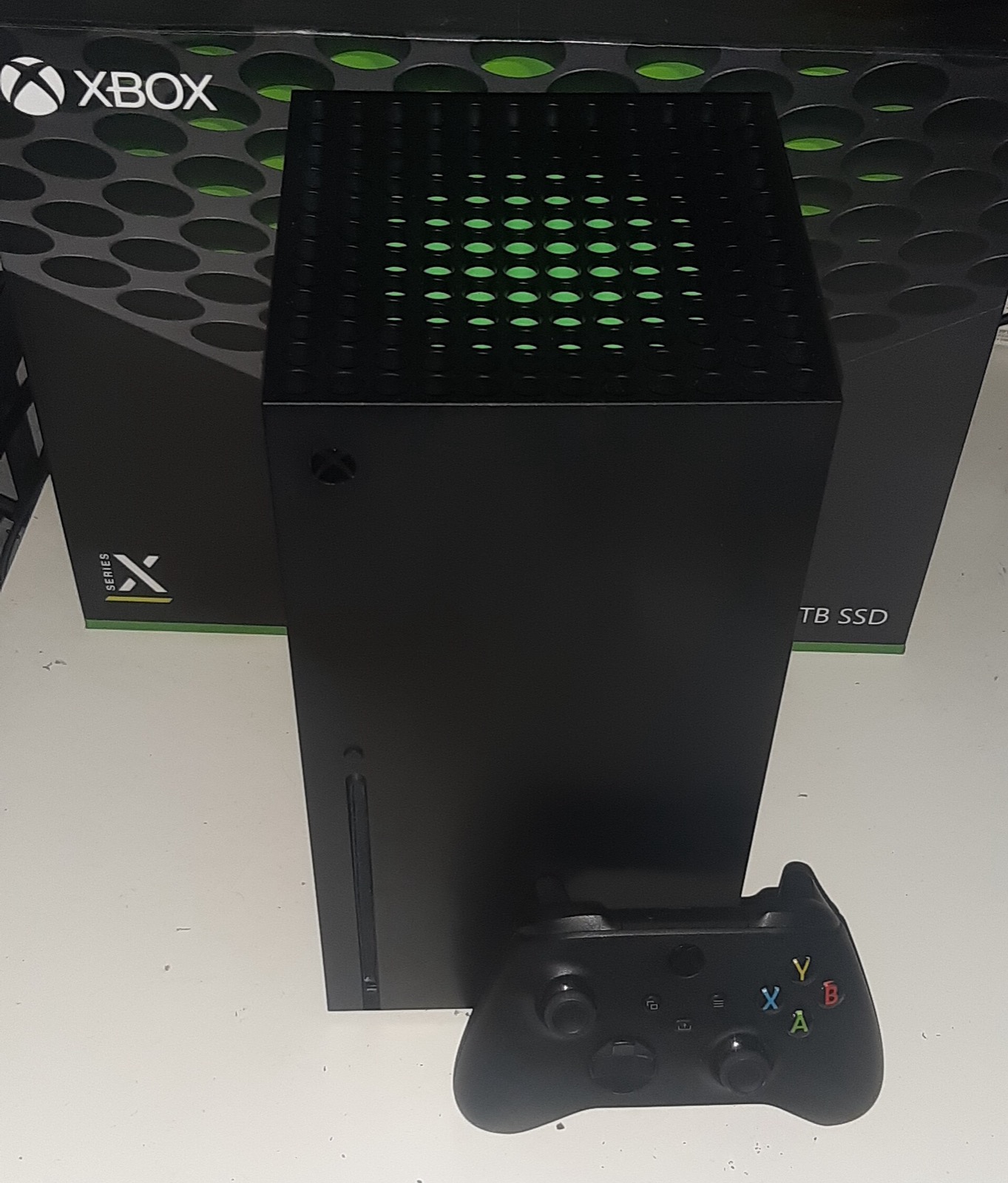
- November 10, 2020: the Xbox Series X ($499) and Series S ($299) launch.
- March 2021: Microsoft closes its acquisition of ZeniMax Media, the parent of Bethesda.
- October 13, 2023: Microsoft completes its purchase of Activision Blizzard, announced at $68.7 billion.
Hits and misses
Hits: Halo gave Xbox a killer app, and Xbox Live set the template for online console gaming with persistent friend lists and matchmaking. The original Xbox sold 24 million units, beating the GameCube and Sega’s Dreamcast. The Xbox 360 and Kinect were huge sellers, and Game Pass changed how many people pay for games.
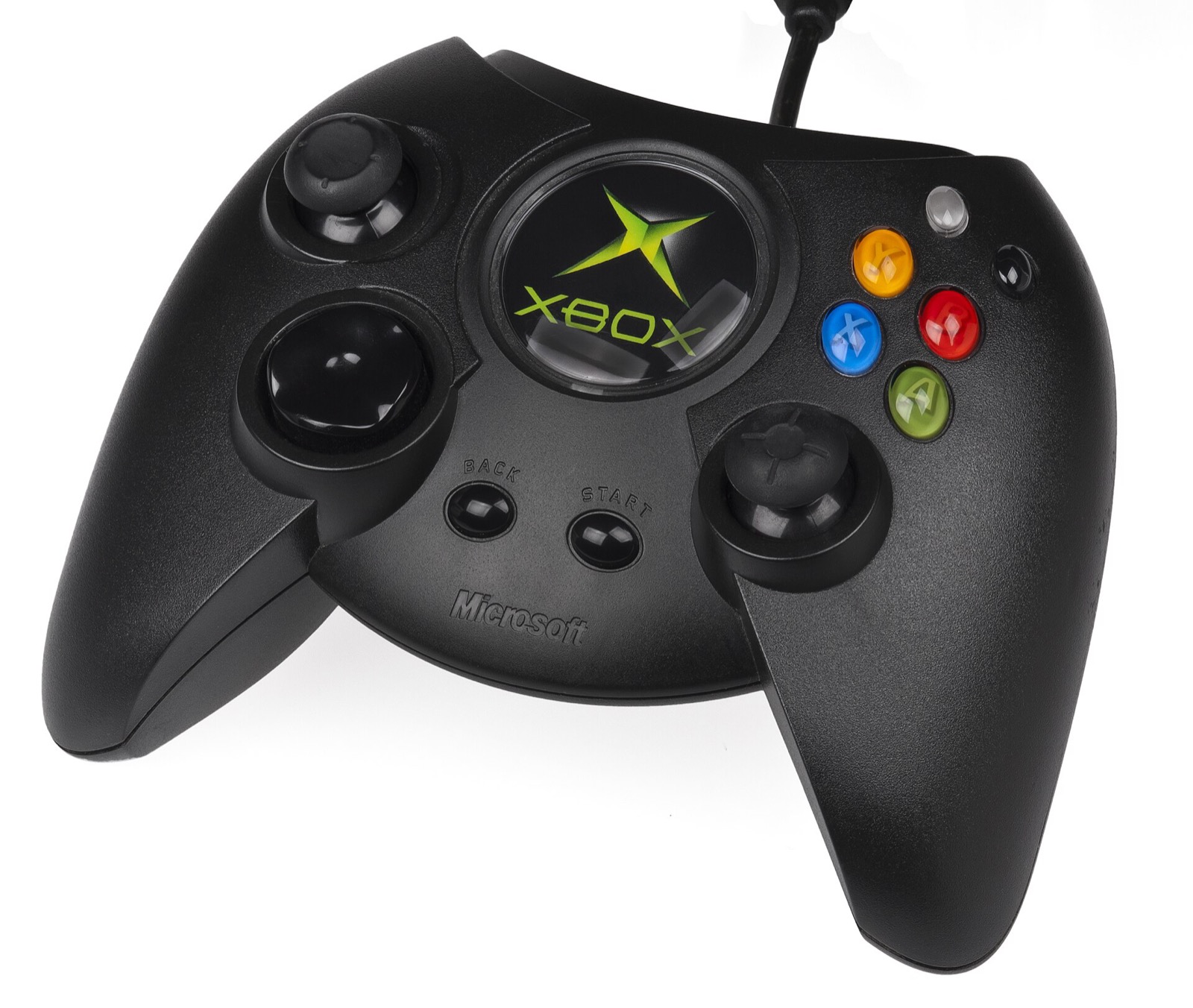
Misses: Microsoft lost more than $4 billion on the original Xbox. Each console cost about $425 to build and sold for $299. It sold poorly in Japan, in part because of its size, and the first controller was so bulky that a smaller Controller S replaced it in the box by 2002. Later came the costly Red Ring of Death and a rocky Xbox One reveal that pushed many players toward the PlayStation 4.
Where Xbox is today
Xbox is now led by CEO Asha Sharma and has grown into one of the world’s largest gaming businesses, with franchises including Call of Duty, Candy Crush, Halo, Minecraft and The Elder Scrolls. Its games now run on consoles, PCs and phones and in the cloud, and Grand Theft Auto VI is coming to Xbox Cloud Gaming on November 19.
For the 25th anniversary, Microsoft made 25 original Xbox games playable on PC through backward compatibility, announced Wolfenstein 3 and released a limited-edition Xbox Series X25 in translucent green. Still, as Tom’s Hardware notes, with a new console generation approaching, it’s less clear than ever where the Xbox business is headed.
3 fun facts about Xbox
- The name was a shortcut. “DirectX Box” was shortened to “Xbox” in an email conversation. Microsoft’s marketing team didn’t like it and suggested names like “11-X” instead.
- Halo debuted at a Mac event. Steve Jobs agreed to show Halo at the 1999 Macworld Conference & Expo, a year before Microsoft bought Bungie and made it an Xbox game.
- It almost had an AMD chip. According to Seamus Blackley, Microsoft worked with AMD on the processor during prototyping, then switched to Intel just before the January 2001 reveal. The graphics chip came from Nvidia, years before the AI boom made it famous (read our history of Nvidia).
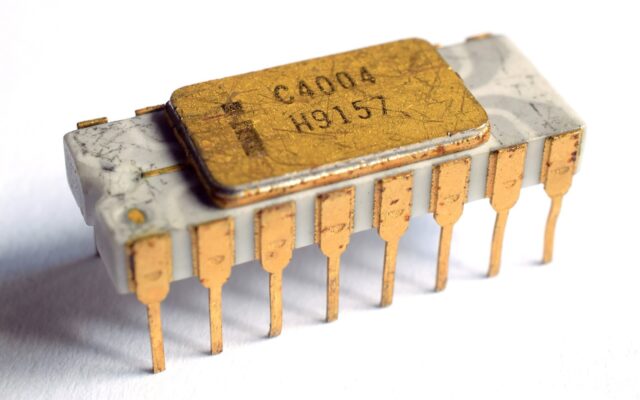
For the story of the chip family inside the original Xbox, see our history of the microprocessor.
Sources: Xbox Wire: 25 Years of XBOX, Xbox Wire: 25th anniversary recap, Tom’s Hardware, Wikipedia: Xbox (console)
Where to buy
- Opening the Xbox by Dean Takahashi (book): check price on Amazon
- Xbox Series X console: check price on Amazon
As an Amazon Associate I earn from qualifying purchases.