It was one of the busiest weeks of the year in tech. The biggest video game ever finally launched, Apple and PlayStation both went down, Google pushed deeper onto iPhones and Macs, Android changed its rules for installing apps, and a 49-year-old spacecraft set a record no one may ever break. Here are the five stories that mattered from November 16 to 20, why they matter and where to read more.
1. GTA 6 launched, and it broke every record
Grand Theft Auto VI arrived on November 19 on PS5 and Xbox Series X|S, and Rockstar says it made $3.79 billion on its first day, “a new record for entertainment across any medium,” The Verge reports. It also sold 32.5 million pre-orders. For context, GTA 5 made over $800 million from about 11 million copies on its first day in 2013, Engadget notes, though GTA 6 costs more, starting at $80 instead of $60.
Why it matters: beyond the money, it’s a test of whether success brings job security. Engadget points out that Rockstar workers are voting on union recognition between November 12 and 26.
From us this week: how to get GTA 6 ready to play, the PS5 update you need first, how it runs on Xbox Series X vs Series S and how to share games at home.
2. Apple and PlayStation both went down
On November 17, iCloud sign-in, the App Store, Apple Music and more ran into trouble for thousands of people. Apple said an internal update caused the outages, and that it wasn’t a cyberattack, according to Engadget and Android Authority. A day later, on the eve of GTA 6’s launch, PlayStation Network went down too, making it hard to launch games and use online features before Sony reported all services were back, Android Authority reported.
Why it matters: these outages came days after a major Microsoft outage, and they’re a reminder of how much depends on a few companies’ servers. When something stops working, the first step is to check whether the company itself is down.
From us this week: how to tell if iCloud is down or the problem is yours.
Sources: Engadget, Android Authority, Android Authority

3. Google moved deeper into Apple’s devices
Google Wallet launched on the iPhone in the US on November 17, so iPhone owners can keep boarding passes, tickets and receipts from Gmail in one place, but with no tap-to-pay in stores, Google says. Two days later, Google gave its Gemini app for Mac a “computer use” feature that can click, type and fill out forms in your apps while you keep working, for paid AI subscribers. The Verge notes it arrives as Apple prepares new limits on what AI agents can access on the Mac.
Why it matters: Google wants its apps and its AI to be part of your day even if you never buy an Android phone. Meanwhile, at home, Google announced that the Nest app shuts down in January and Gemini replaces Google Assistant on its speakers next August.
From us this week: Google Wallet on iPhone, Gemini on Mac and what the Nest shutdown means for you.
Sources: Google, Google, The Verge
4. Android is making sideloading harder
Google confirmed that its developer verification rules go global starting in January 2027, after launching in Brazil, Indonesia, Singapore and Thailand on September 30, according to Google’s Android Developers Blog. App developers must verify their identity and register their apps, and installing apps from unverified developers will take extra steps, including a 24-hour wait, Android Authority reports.
Why it matters: most people who get apps from Google Play won’t notice. But Android’s freedom to install anything has always been one of its selling points, and this is the biggest change to it in years.
From us this week: what sideloading is and what changes in January.
Sources: Android Developers Blog, Android Authority
5. Voyager 1 reached one light-day from Earth
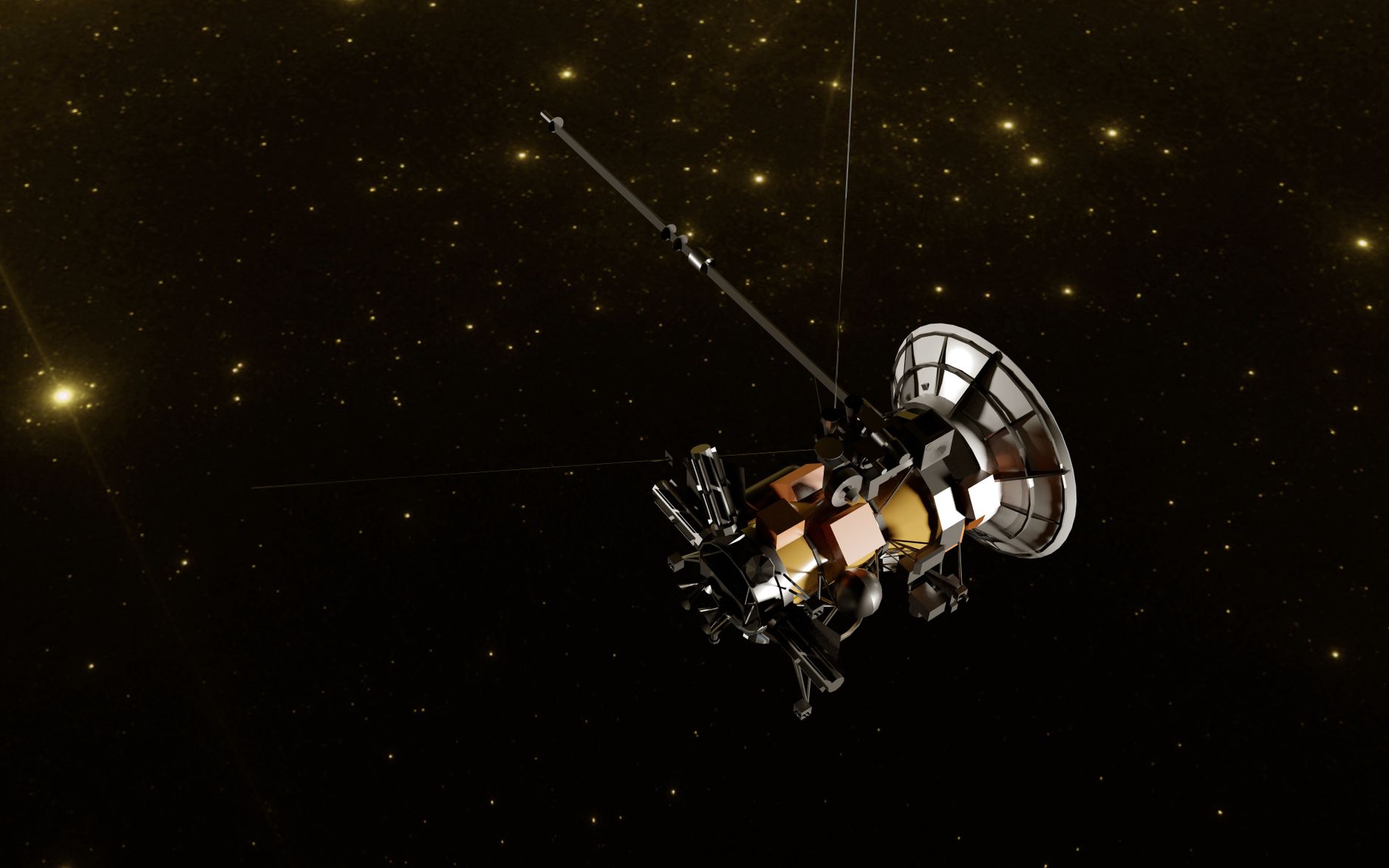
On November 18, NASA’s Voyager 1 became the first spacecraft to reach one light-day from Earth, about 16 billion miles away, after more than 49 years in space. A radio signal from the probe now takes a full 24 hours to reach us, Tom’s Hardware reports. “It’s never happened before, and it may never happen again — it’s that kind of extraordinary,” mission manager Kareem Badaruddin said, as quoted by Engadget.
Why it matters: a probe built in the 1970s for a five-year mission is still talking to us, and it’s now the farthest thing humans have ever sent anywhere.
From us this week: what one light-day means and where Voyager goes next.
Sources: Engadget, Tom’s Hardware
Also this week
- Instagram now lets you edit Stories for 15 minutes after you post them.
- Tesla will build Cybercabs in Germany with a €3 billion Giga Berlin expansion.
See you next week.